
‘The Free Press Fight at New Castle, Pennsylvania’ by Fred D. Warren from the International Socialist Review. Vol. 11 No. 1. July, 1910.
The case against the comrades comprising the committee engaged in the publication of the New Castle Free Press, charged with “seditious libel,” was tried under what was known as the old English common law. This law against “seditious libel” was framed at a time when kings ruled by divine right, and in order to establish the guilt of the “pestiferous” McKeever, Hartman, McCarty and White, the prosecutor of Lawrence County, Pennsylvania, cited a case that occurred during the reign of Charles II. A score of Irish peasants raised a rebellion, so the prosecutor read, against the English land lords; These Irish peasants were arrested, charged with “seditious libel” and sentenced to prison. That was nearly four hundred years ago, yet we find a fossilized county prosecutor referring to it today in an effort to convict these four comrades of ours. It would be laughable were it not for the serious consequences that are likely to follow this New Castle trial for “seditious libel.”

After a six days fight, in which each point was vigorously contested, Judge Porter, the presiding magistrate, elected on the democratic-populist ticket by the working class of New Castle. charged the jury, in a lengthy communication in which he explained. in a ponderous and patronizing way, that while the constitution of Pennsylvania guarantees the right of free press, the state must. if it was to be preserved, reserve the right to protect itself against “seditious and pestiferous persons, who sought by means of the press to bring the reins of government into contempt and ridicule.” So nicely balanced were the scales of justice. under these instructions, that it required only a breath from the steel trust attorney, who was in constant attendance at the trial, to turn the balance in favor of the prosecution.
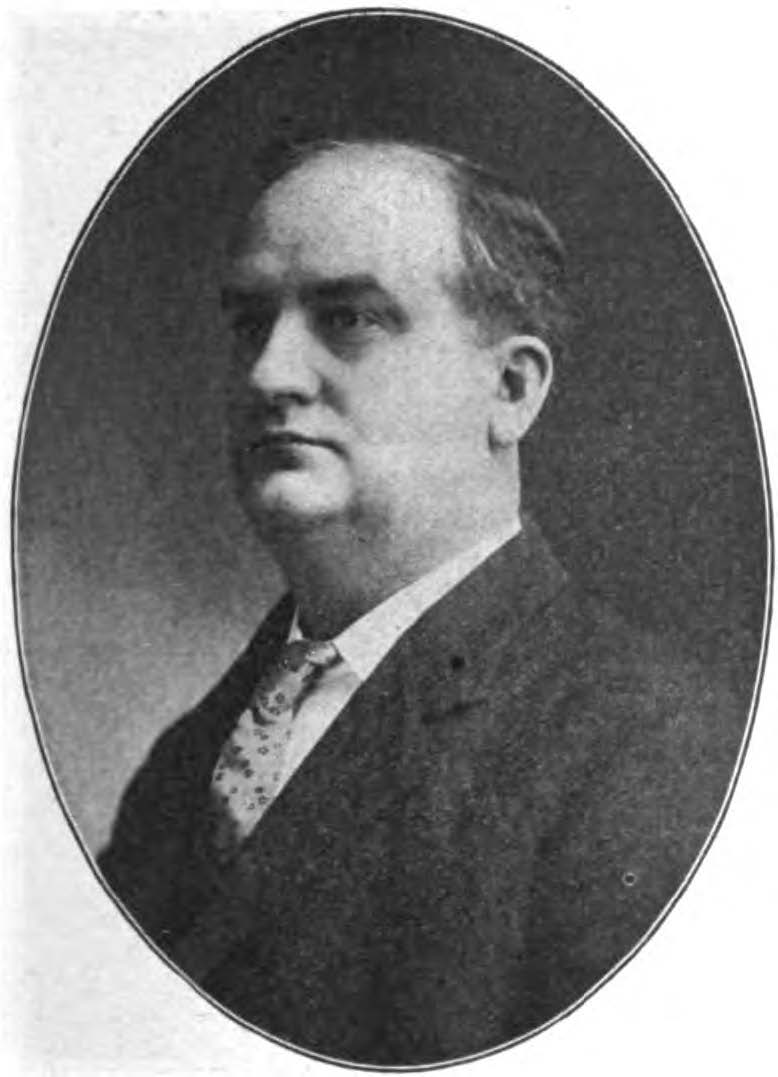
After twelve hours deliberation, the jury returned for instructions as to where the cost of the prosecution should be placed. Under the laws of Pennsylvania, the jury may place the cost on the defendant, even though the defendant be found not guilty, or it may place the cost on the county or on the prosecutor. The jury again retired and in a few minutes returned. With a solemnity that fitted the occasion, Judge Porter opened the envelope in which the jury’s verdict had been placed and silently read it. Hesitatingly picking up his pen, he started to attach his official signature to the document that would have set our comrades free. There was a moment’s silence disturbed only by the ticking of the court room clock. The judge closed his eyes. It could readily be discerned that the judicial think box was at work, He opened his mouth as if to speak. The spectators leaned forward expectantly. The judge cleared his throat, readjusted his wig and then said: “Gentlemen of the jury, you have brought in a faulty verdict. You cannot place part of the cost on the prosecutor and the balance on the other parties. You will retire and bring in a verdict in accordance with my instructions.”
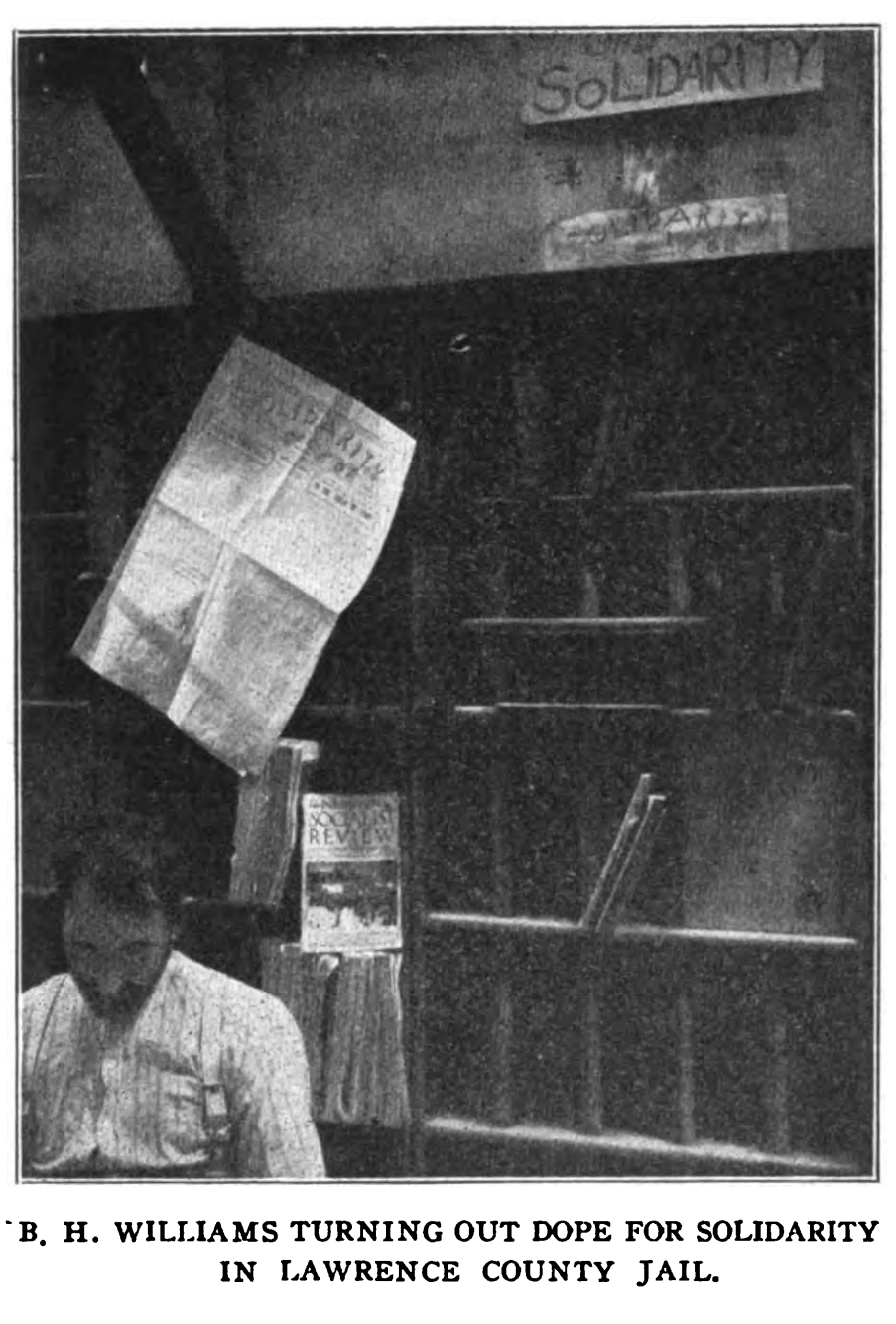
For the third time the jury retired. After an hour’s deliberation, the twelve men returned to the court room and announced that they were unable to agree! The jury was thereupon discharged and the case now stands just where it started, as though it had not been tried!
If the verdict’ had been “guilty,” there would have been no question of costs, as the verdict of guilty carries with it the expense of prosecution, This fact is taken as conclusive evidence that the twelve men had decided that our comrades were not guilty of “seditious libel,” but they had in the minds of two members of the jury “acted badly” and should therefore pay a part of the costs. When I left New Castle Sunday night, it was the talk on the street that the twelve men voted “not guilty” on the charge of “seditious libel” and that it was divided 10 to 2 on the question of costs.
And so this case—fraught with so much concern to the working class of this nation,—must be fought all over again at an expense of thousands of dollars. Trust magnates of Pennsylvania hope by this means to break the spirit of our New Castle comrades but, if I am any judge of men, I am quite sure that it will have the effect of increasing their enthusiasm and determination.
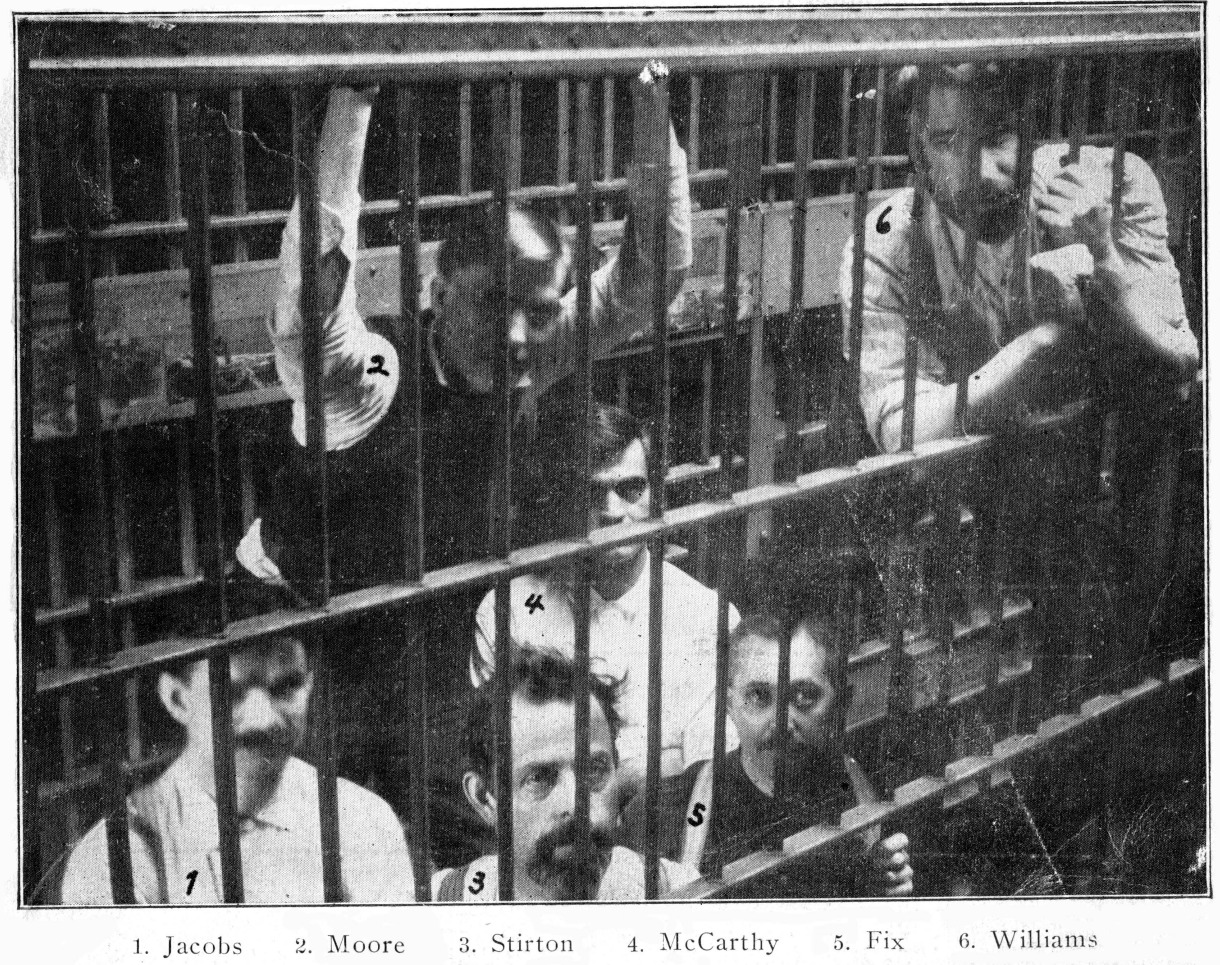
While the jury was deliberating and the judge and his friends scheming to overthrow the right of free press, there was something of importance transpiring in another quarter of the trust-ridden town.
From the surrounding cities came Socialists and their friends by the thousand. Every incoming railroad train was crowded. A special of nine coaches was required to bring the delegation from Pittsburg. The inter-urban service was taxed to its utmost capacity by the Socialists from nearby cities. The visitors were met by the local committee on arrangements and the line of march was through the principal streets to County Headquarters, located in the very heart of the city. It was an inspiring revolutionary spectacle and one that New Castle will not soon forget, Comrade John W. Slayton, nominated for Governor the day before, was called for and from the window overlooking the street spoke for a few minutes. When Slayton’s tall form and kindly features appeared there arose a lusty cheer that resounded from hill to hill and caused smug New Castle to pause and inquire into the cause of this sudden outburst of enthusiasm.
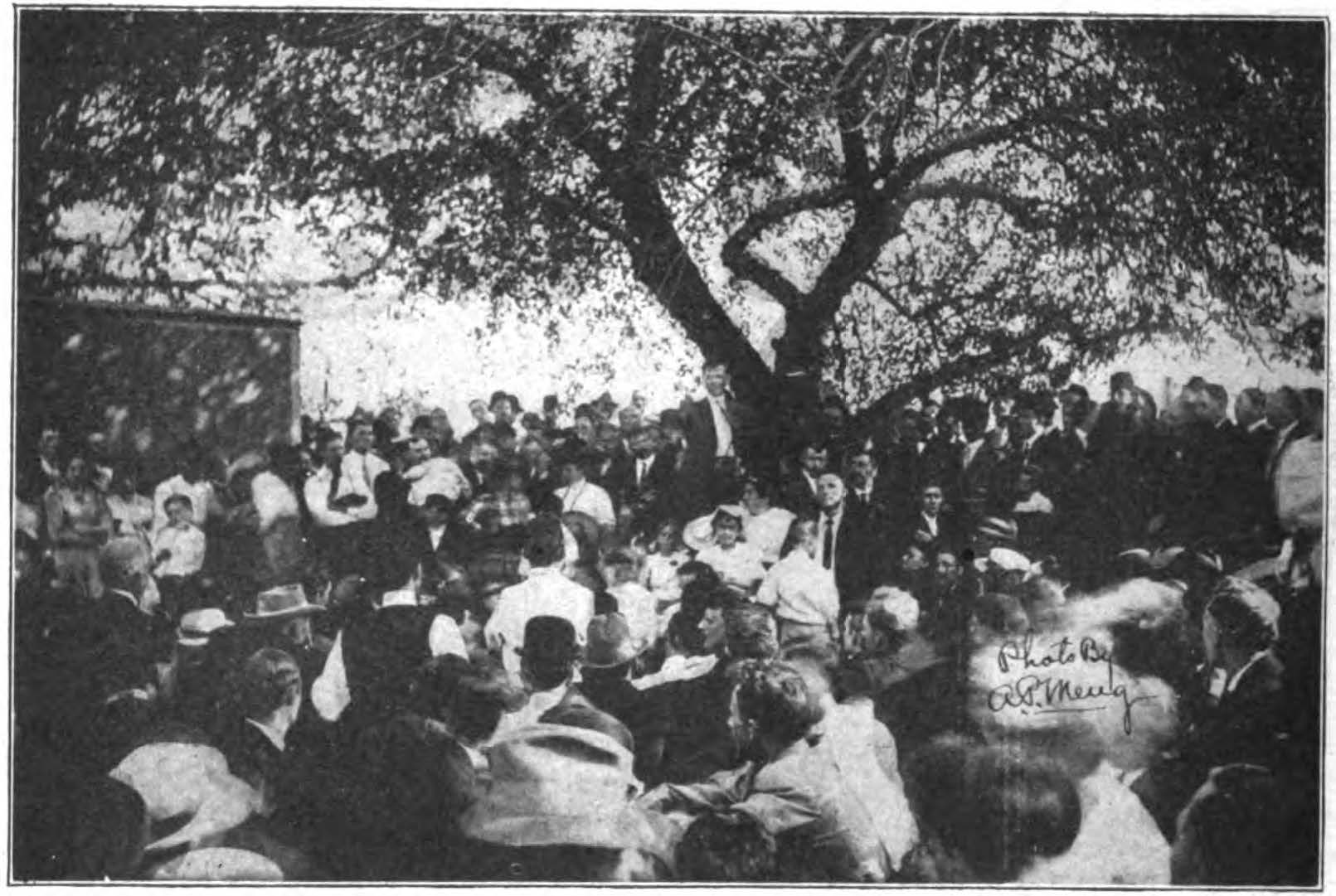
In the afternoon, in Cascade Park, fully 15,000 persons had gathered to hear the speakers, The mounted police were on hand promptly and refused to allow the speaking to take place as arranged. The park was a private one, it was explained, owned by the street car company. Comrade Ries, of Ohio, who is always on the job, rented an apple orchard a few hundred yards distant from the park entrance, Perhaps one-third of the immense throng, (it being impossible in the confusion to get word to all) marched to the new location where the program was continued. The mounted police were on hand, but our rent receipt for the use of the orchard, forced them to respect our “property rights.” The meeting had dispersed before the blue laws of Pennsylvania against a Sunday political meeting, could be invoked.
An interesting sequel to the day’s proceedings was the march to New Castle, two miles distant. The procession, with flying banners and fluttering red badges, reached almost from the park entrance to the center of the city. New Castle’s residents, enjoying the afternoon’s quiet, saw a body of men and women ten times as large as the army that followed the flag of revolution at Bunker Hill.
The following little incident will illustrate New Castle sentiment: Two neatly dressed boys—perhaps eight and ten years of age—stopped me on the street. One of them asked, “Who won?” I replied that I had not yet heard the jury’s verdict. “Well,” as he turned away, “I hope the Socialists will win”. And that is the New Castle sentiment!
The International Socialist Review (ISR) was published monthly in Chicago from 1900 until 1918 by Charles H. Kerr and critically loyal to the Socialist Party of America. It is one of the essential publications in U.S. left history. During the editorship of A.M. Simons it was largely theoretical and moderate. In 1908, Charles H. Kerr took over as editor with strong influence from Mary E Marcy. The magazine became the foremost proponent of the SP’s left wing growing to tens of thousands of subscribers. It remained revolutionary in outlook and anti-militarist during World War One. It liberally used photographs and images, with news, theory, arts and organizing in its pages. It articles, reports and essays are an invaluable record of the U.S. class struggle and the development of Marxism in the decades before the Soviet experience. It was closed down in government repression in 1918.
PDF of full issue: https://www.marxists.org/history/usa/pubs/isr/v11n01-jul-1910-ISR-gog-Corn-OCR.pdf
 Revolution's Newsstand