‘Hollywood Sweat Shop’ from The Woman Today. Vol. 1 No. 8. October, 1936.
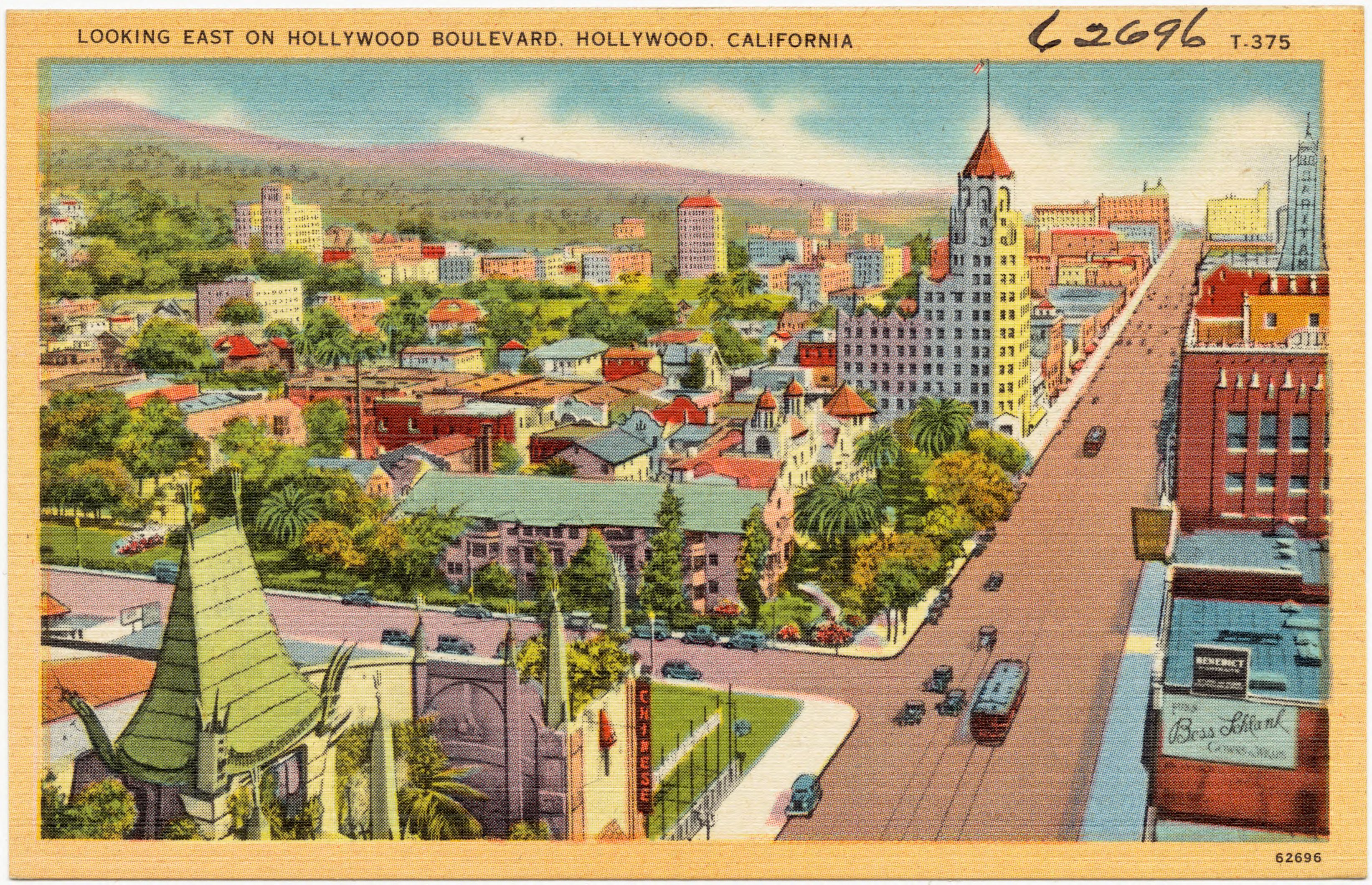
Hollywood, which beckons like a golden finger to a large number of the jobless youth of America, is in reality the largest sweatshop in the world.
We say that advisedly, despite the flood of publicity about the million-dollar salaries of the stars and about their yachts and private swimming pools. The truth is that, according to the latest figures from the Hays office and the trade papers, approximately 17,000 film workers receive an average wage of $3.23 per week.
These workers are the lowly extras, without the services of which very few, if any, pictures could be made. You see them as the French mobs in The Tale of Two Cities, as the disgruntled union workers in Riff-Raff and as the elegant soup-and-fish-clad guests in Jean Harlow’s and Joan Crawford’s society films.
Despite the half-hearted efforts of the photoplay companies to shoo would-be stars from Hollywood, there are at present about 30,000 persons in that city- most of them youngsters who hang around the casting offices hoping for the “break” which will realize their dreams.
Half of these people, however, are completely out of luck. To get a job as an extra you must be registered with the central casting office. Approximately 16,000 men, women and children are listed there according to the estimates made by the office of Will Hays, film “Czar” and the Film Daily, leading trade paper of the industry.
These registered extras, according to the same figures, earned in 1935 a total of $2,571,293.64. That sounds like a big figure until you break it down. Then it shows that 889 jobs per day pay at an average of $9.23.
And that means an extra who is registered works exactly 16.874 days a year and earns $155.74 that time or $3.23 per week. And according to the trade papers, 1935 was a “record” year for extras!
No wonder the movie companies designate a man to guard the food on banquet tables between scenes. If they didn’t, said tables would be as bare as Mother Hubbard’s cupboard in the twinkling of an eye. It’s no unusual thing for an extra to get fired because he tries to grab a leg of fried chicken or even a hard roll when the guard’s back is turned. So “serious” has the problem become that one company sprayed the food with some unpleasant-tasting chemical in order to prevent its being gobbled up by kids who have found California sunshine a poor substitute for three squares a day.
For a time some of the least hard-hearted of the film companies endeavored to ship starving extras home to their folks. But this, they found proved to great a drain on budgets geared for the production of super-super pictures. So today the only thing done to stop this flood of ambitious youngsters who have read glowing tales of quick success in the fan magazines is to send out an occasional publicity story advising them not to come.
The average chance for an extra making good is something like 10,000 to 1. A few hundred others who come out with large wardrobes manage to eke out a bare living as “dress extras” drawing above-the average pay-until their clothes wear out. The rest stay in Hollywood because they have no money to escape and, if they’re “lucky” during a “record” year, manage to be first at the casting offices and last to leave at night, thereby snatching a few quarters more than that deadly average of $3.23.
Last winter the extras helped to organize the Screen Actors’ Guild and horrified their bosses by demanding a living wage. Keep your eyes on their activities in the months to come.
The Working Woman, ‘A Paper for Working Women, Farm Women, and Working-Class Housewives,’ was first published monthly by the Communist Party USA Central Committee Women’s Department from 1929 to 1935, continuing until 1937. It was the first official English-language paper of a Socialist or Communist Party specifically for women (there had been many independent such papers). At first a newspaper and very much an exponent of ‘Third Period’ politics, it played particular attention to Black women, long invisible in the left press. In addition, the magazine covered home-life, women’s health and women’s history, trade union and unemployment struggles, Party activities, as well poems and short stories. The newspaper became a magazine in 1933, and in late 1935 it was folded into The Woman Today which sought to compete with bourgeois women’s magazines in the Popular Front era. The Woman today published until 1937. During its run editors included Isobel Walker Soule, Elinor Curtis, and Margaret Cowl among others.
PDF of full issue: https://www.marxists.org/history/usa/pubs/wt/v1n08-oct-1936-women-today.pdf
 Revolution's Newsstand