
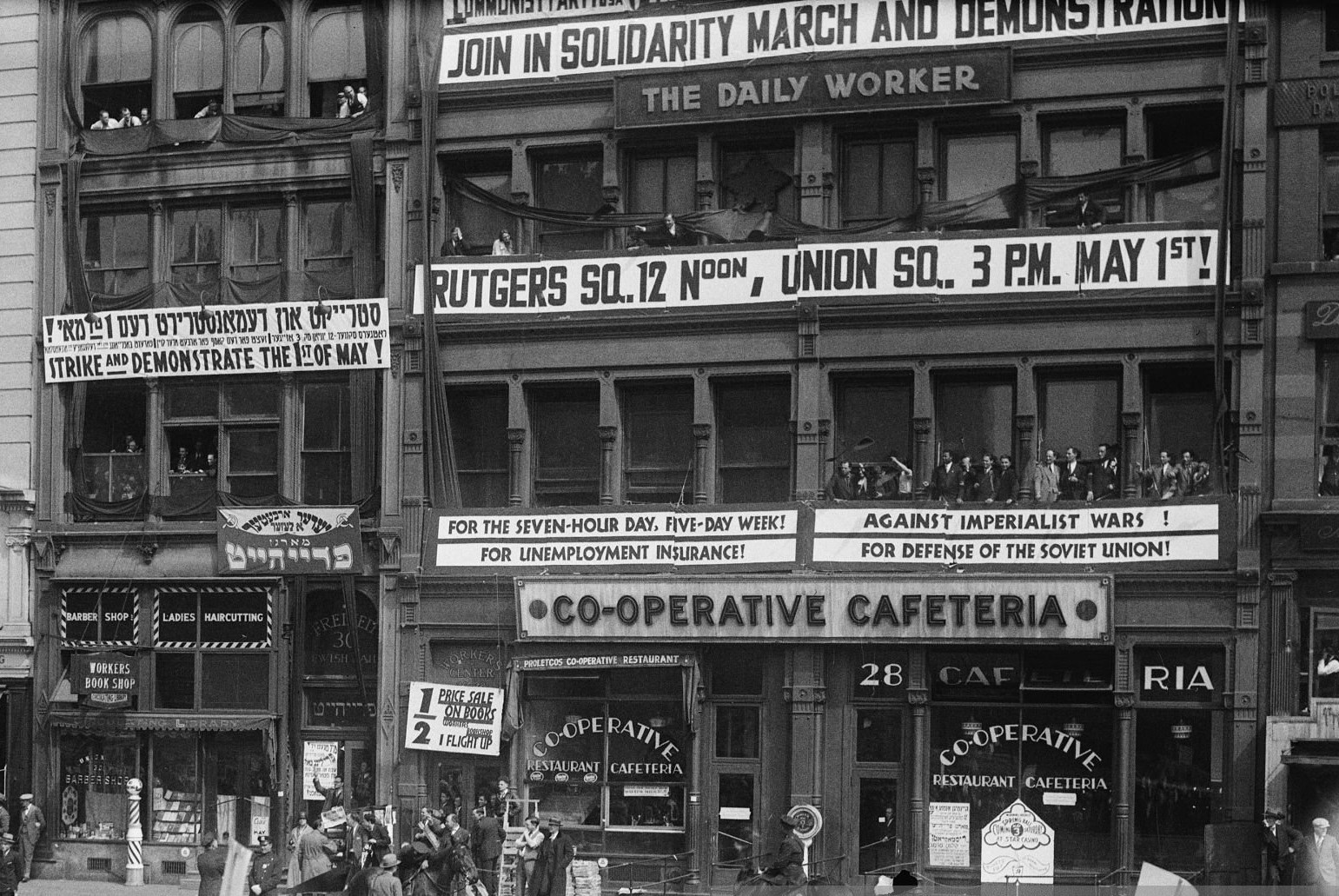
Here, New York’s new District Organizer Max Steinberg offers a substantial report on a year of work of the Communist Party as it entered its mid-30s heyday in New York City. However, its explosion of growth and increased authority accentuated old difficulties, and brought new problems to the fore.
To fully appreciate the enormous detail and valuable history contained in the report, a short run down on the terms used would be useful. The basic organizational structure of the Communist in 1935 began with a Shop or Street Nuclei (or unit) comprising 3 or members in a specific workplace of geographic area, and elected its own leadership. The next level was the Section, comprising closely associated industrial and street units whose highest body was the Section Convention made of of delegates of its constituent units and an elected Section Committee to oversee work between Conventions. Above the Sections are geographically defined Districts, often incorporating one or more States. Its highest body is the District Convention, meeting yearly, made up of delegates elected by the Section Conventions. The District Convention then elects a District Committee, which in turn appoints a District Organizer, the political leader of the area, its sections, and units.
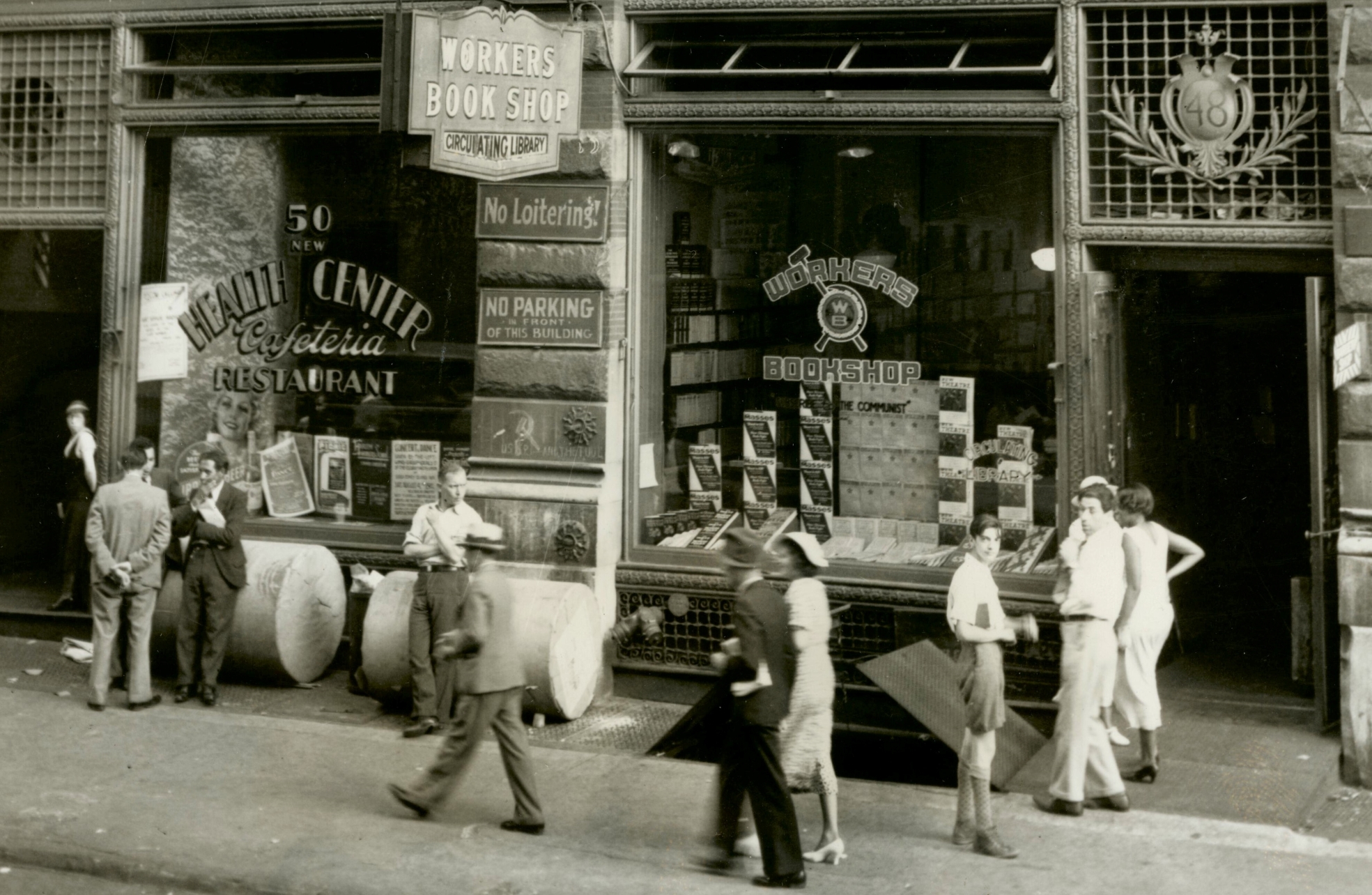
In 1935 New York City was designated District 2 of the Party and at the beginning of the period reported membership grew to 9,363, from 5,495; from 84 shop units issuing 20 papers to 183 issuing 60; Sections in the city increased from 14 to 23; while the Young Communists tripled in size from 1 to 3000. Yet problems of large and persistent turnover, difficulty in developing cadres, sustaining work, collecting dues and developing adequate resources, political conflicts and machinations, difficulty recruiting Black workers and women, placing militants in key industries, and sustaining campaigns all remained unresolved.
‘Achievements and Tasks of the Communist Party New York District’ by Max Steinberg from The Communist. Vol. 14 No. 5. May, 1935.
(Organizational Report Submitted to the New York Party District Conference, February 23-24, 1935.)
In dealing with some organizational problems and tasks of our Party, I will speak mainly of the period since the last District Convention.
I want to state at the very outset that since the last District Convention, our Party in the New York District has developed both organizationally and ideologically. We have learned to employ better methods of work. We have been more alert to the problems and issues of the workers in our District, and have learned to take advantage of these issues for building and strengthening our Party. The Party as a whole has entrenched itself to a greater extent among the workers in general, and in some of the decisive sections of the workers in particular.

In the course of this past period, however, we have also revealed certain weaknesses. It will be the task of this conference to analyze the work of the Party in a critical way, expose our weaknesses and lay the basis for correcting them.
SHOP NUCLEI
At the time of the last Convention, we had 84 shop nuclei in nine Sections of the Party, with a membership of 525 Party members, operating among 66,000 workers, and issuing 12 shop papers. Today, in 18 of our Sections, we have 183 shop nuclei with a Party membership of 1,286, operating approximately among 127,000 workers, and issuing 60 shop papers regularly. We increased the number of shop nuclei by 99, or 119 per cent.
This certainly is an achievement. Let us, however, examine our shop nuclei in the light of our concentration tasks and see to what extent we have improved our shop work and built our nuclei in the basic industries, among the decisive sections of the New York workers. Let us determine to what extent the Party nuclei in the factories as a whole have been active as Communist Party organizations, bringing in all the issues of the class struggle from a Communist point of view. Let us determine to what extent our shop nuclei have revolutionized the workers in connection with their most immediate problems and grievances, and to what extent the nuclei were involved in helping to solve the problems of the workers.
At the last District Convention we had eight shop nuclei in concentration industries, operating among some 7,500 workers. Today, we have 20 shop nuclei in basic industries, working among 32,700 workers.
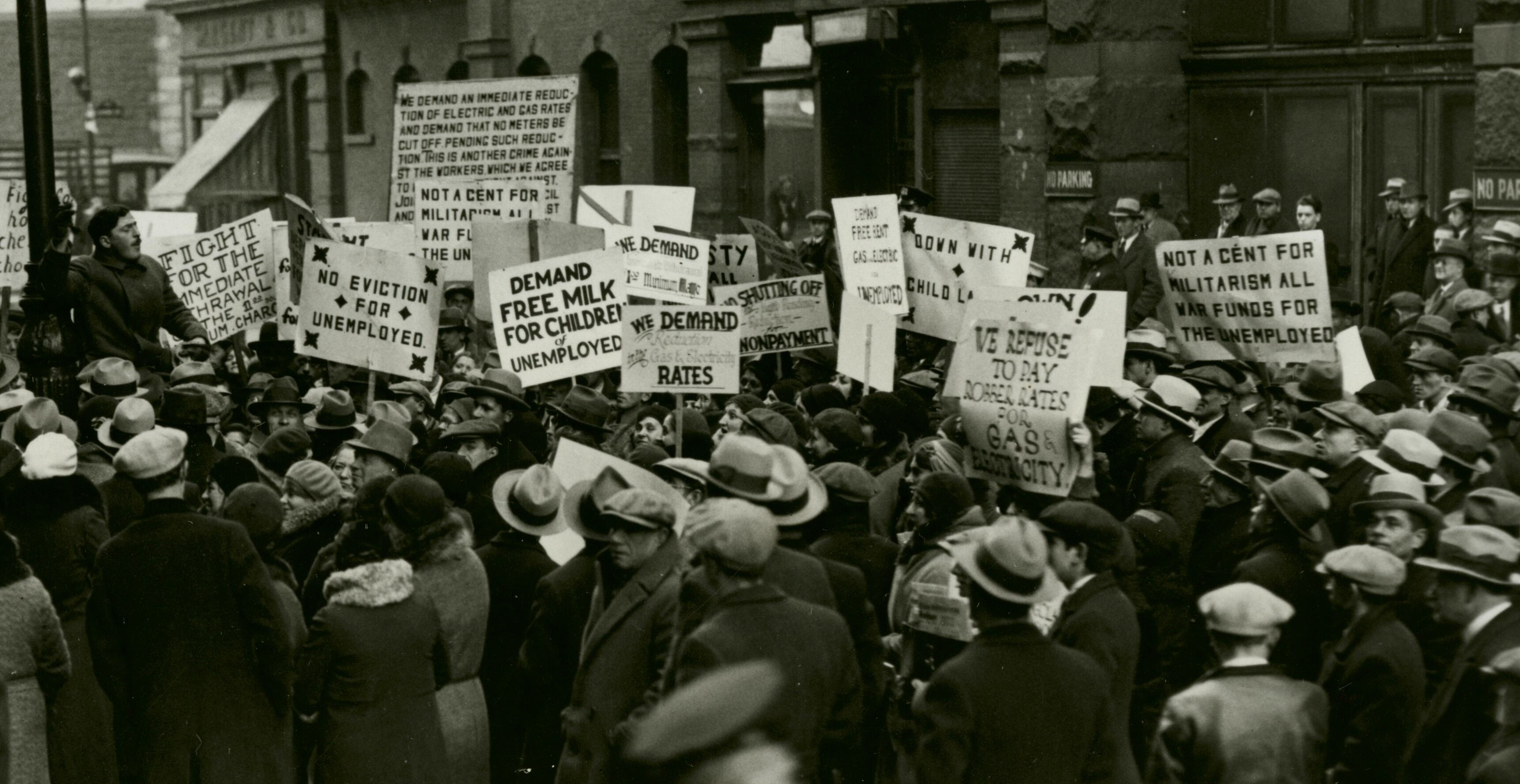
While registering an increase in shop nuclei in the basic industries, still, as compared to the possibilities and to the general increase in Party membership, these figures still remain inadequate.
The main question is: how do these nuclei act as Party organizations in connection with the various problems of the working masses in the shops? Let us examine the work of the X shop nucleus in the Harlem Section. There, you will find that the comrades understood how to deal with the workers’ economic issues; they understood how best to approach these workers, how to develop the proper agitation around the issues that were raised with the result that the comrades were successful in penetrating and discrediting the company union completely, and in building the X union, with a membership of 550 in that particular shop.
When we note the headway made in the X industry generally, where we succeeded in building a union of over 2,000 members, which at present stands out as the only recognized union in the industry, we can say that in this achievement of our Party, the nucleus played a big part, not only in building the union in this shop, but also in achieving a wide, indirect influence throughout the X industry.

There we can see a Party nucleus, which, to a great extent, understood its role in the factory. The weakness of that unit, however, is manifested in its slow growth. The unit and Section Committee will have to examine further the methods of work in that nucleus.
Let us examine the railroad nucleus in the X yards. There the comrades carefully studied and acquainted themselves with all the grievances and issues of the workers in the yard, and as a result of properly reacting to those issues, recruited into the Party a number of railroad workers, making it the biggest and most effective Party nucleus throughout the country in the railroad industry. In the X yards the comrades recruited Negro and white workers, a number of whom are key workers in the industry.
One of the most effective means used in the yard was the Daily Worker, by which the comrades succeeded in extending the influence of the Party throughout the yard.
Another example of a Party nucleus which understood its role is a nucleus in Section 7. In the course of a strike which it led, this nucleus was able to stand out among the workers as the leader and fighter for their economic demands, and as a result it grew from 12 to 30 members. Here is a concrete example of how the Party was built through struggle led by our unit in the shop.
We also see concrete examples of the role of the Party in building the economic organization of the workers and building the Party at the same time.
The question arises—how was it possible for these shop nuclei to become the leaders of the workers in their respective shops? The answer is that they were able to apply the correct principles of Leninist Party organization, by reacting to the most elementary problems of the workers, by placing themselves in the leadership of the workers in the shops, in the struggle for better conditions, by being part of the workers and keeping in close contact with them, and by their ability to link up the struggles for the improvement of their material conditions with the ultimate aims of the Party and the working class.
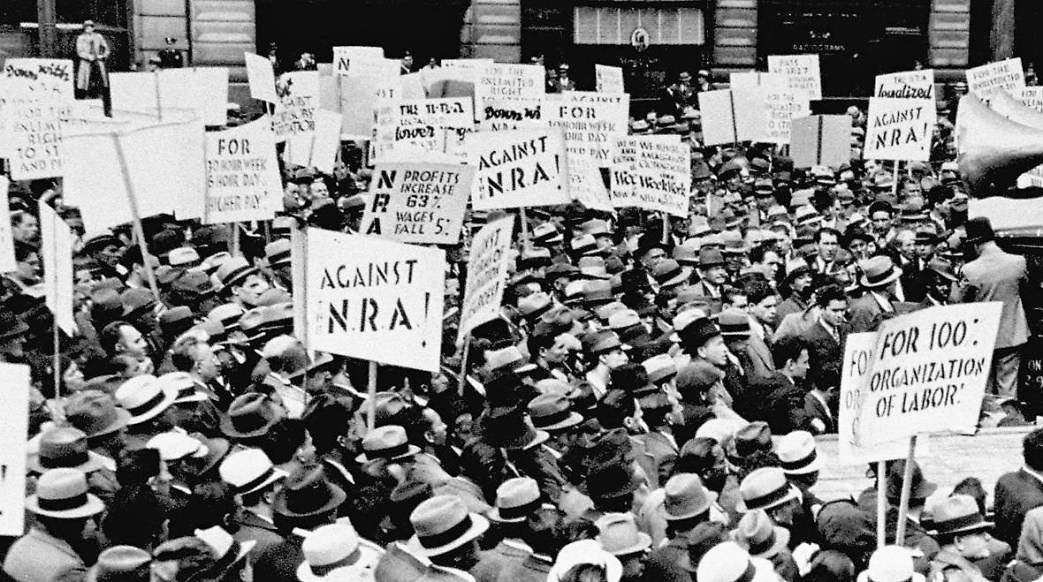
On the other hand, we see units that show clearly the weaknesses of our Party in their work. We see a unit in a shop which, when it fails to act as a Communist unit, becomes stagnant and disintegrates. The members become pessimistic, and not only does the unit not grow, but our own comrades find themselves completely isolated from the workers in the shop.
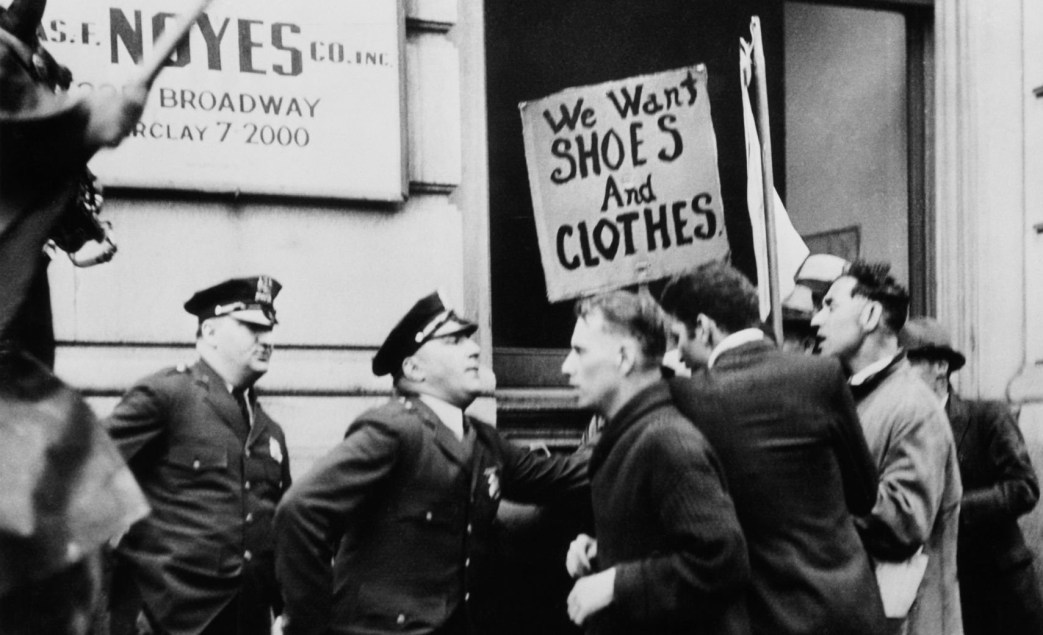
This unit which I speak of is located in an important shoe shop. There the unit has existed for over a year. A year ago it consisted of four comrades. Today the Section is confronted with the problem of dissolving it, for when some of the comrades were laid off, there were no longer sufficient members in the unit to justify its existence. Working in a shop employing hundreds of workers who are members of the A. F. of L., this nucleus failed to organize the workers into a rank-and-file group in opposition to the class collaboration policies and betrayals of the Boot and Shoe union leaders.
Another example of how a Communist unit should not act, as the unit in the Pfeiffer Shoe shop, where, when a strike broke out, our unit not only failed to place itself in the leadership of the struggle, but on the contrary, ceased to function, ceased to hold meetings, and disbanded itself as a Communist Party nucleus.
The above-given examples indicate that where the Party nuclei understood their tasks clearly and gave proper leadership, and the necessary attention was paid by the Section Committees to the shop nuclei, the Party became the leader of the workers for their economic demands, and grew organizationally.
Where shop nuclei do not understand their role in the shops, the results are in the main a defeat for the workers in their struggles for economic demands and a hindrance to the Party in its efforts to root itself in the shops.
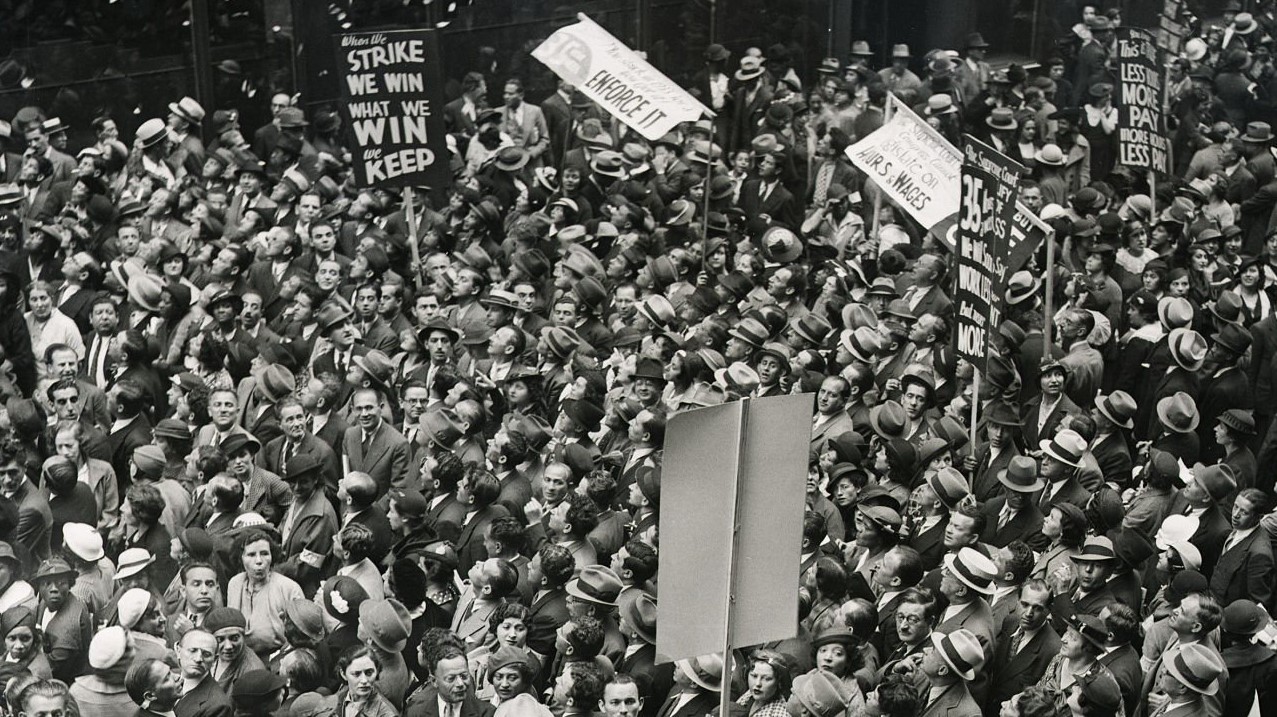
What a powerful instrument and force our 183 shop nuclei can be, working among 127,000 workers, in promoting economic organizations, in developing rank-and-file movements in the existing unions, as well as in exerting tremendous influence for the Party program generally, if they work properly!
THE STRUGGLE FOR NEGRO RIGHTS IN THE SHOPS
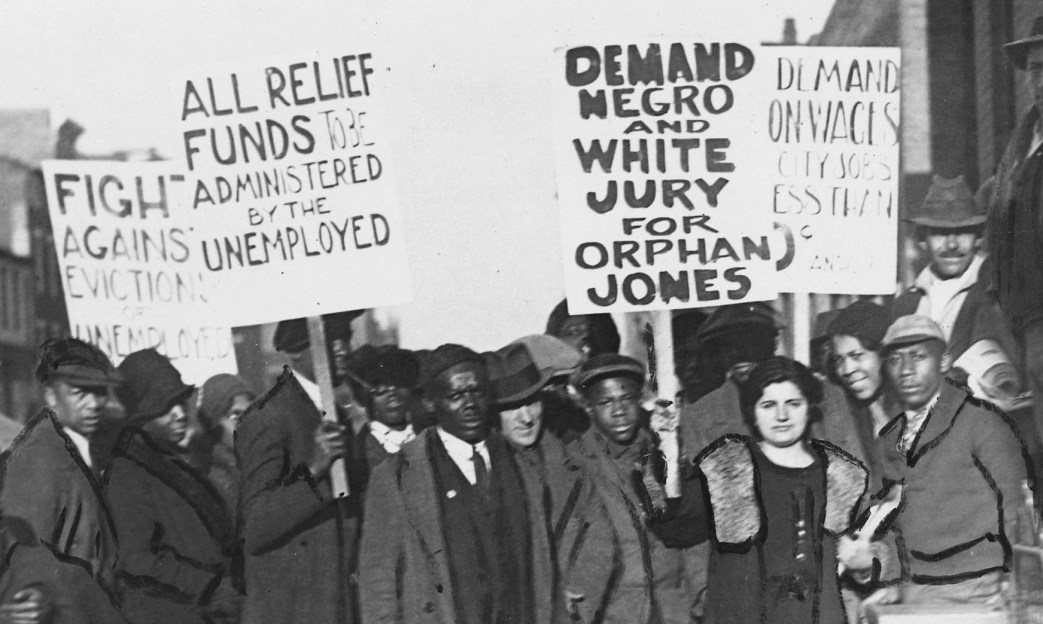
It is important to emphasize that on the whole our shop nuclei have not sufficiently realized the importance of recruiting Negro workers from the shops. When we consider that the percentage of Negro workers in the shop nuclei is less than 9 per cent, then we must state that more vigilance and alertness to the special problems of the Negro masses in the shops is necessary, and that we must consider it our task to increase the percentage of Negro comrades in the shop nuclei to a minimum of 25 per cent in the very near future.
An example of how at time we fail to fight for the demands of the Negro masses and how we underestimate the importance of recruiting Negro workers into the Party may be brought out in the case of Section 2, where we have 55 shop nuclei working among 35,000 workers, of whom 3,700 are Negro workers, and yet in the entire Section there are only 17 Negro comrades. This certainly is an indication of our failure to bring forth the importance of white workers fighting for the rights of the Negro masses, bringing about the unity of white and Negro workers, with the Party as the leader of these struggles.
Side by side with raising the specific problems of the Negro masses in the shops, we must also try better to understand the problems of the youth, to fight for better conditions of the young workers, to raise their special problems, and thus to help entrench the Y.C.L. in the shops. We have at present possibilities for building a number of Y.C.L. shop nuclei in shops with hundreds of young workers, where strong Party shop nuclei exist. So far, this has been neglected. We must use special efforts to carry out the old standing decision of the Party, to build the Y.C.L. shop nuclei in shops alongside of the Party units. This, however, must not be applied mechanically, but rather on the merits of each specific situation.
RECRUITING
Now as to the question of recruiting and membership in our District. The total membership of our shop nuclei in basic industries is 159, as against 51 at the time of the last Convention. This, however, is not the total number of Party members in basic industries in our District. The total number is 978, or about 10 per cent of the total Party membership today. What can we learn from these figures?
1. That, although we have made some progress in this field, this progress is far from satisfactory.
2. That more stress and consistency will have to be applied in the months to come on recruiting from concentration industries.
Our membership in the District today is 9,363, as compared to 5,495 at the time of the last Convention—an increase of 3,868, or 70 per cent. Let us now examine the composition of the new recruits. Of the 3,868, 2,353 are employed; 1,515 are unemployed; 1,557 are native born, and 2,311 foreign born. Out of the total number of recruits, 424 are Negro workers, and 1,072 are women. The number of union members of the total recruits is 1,810, of whom approximately 550 are in the A. F. of L.
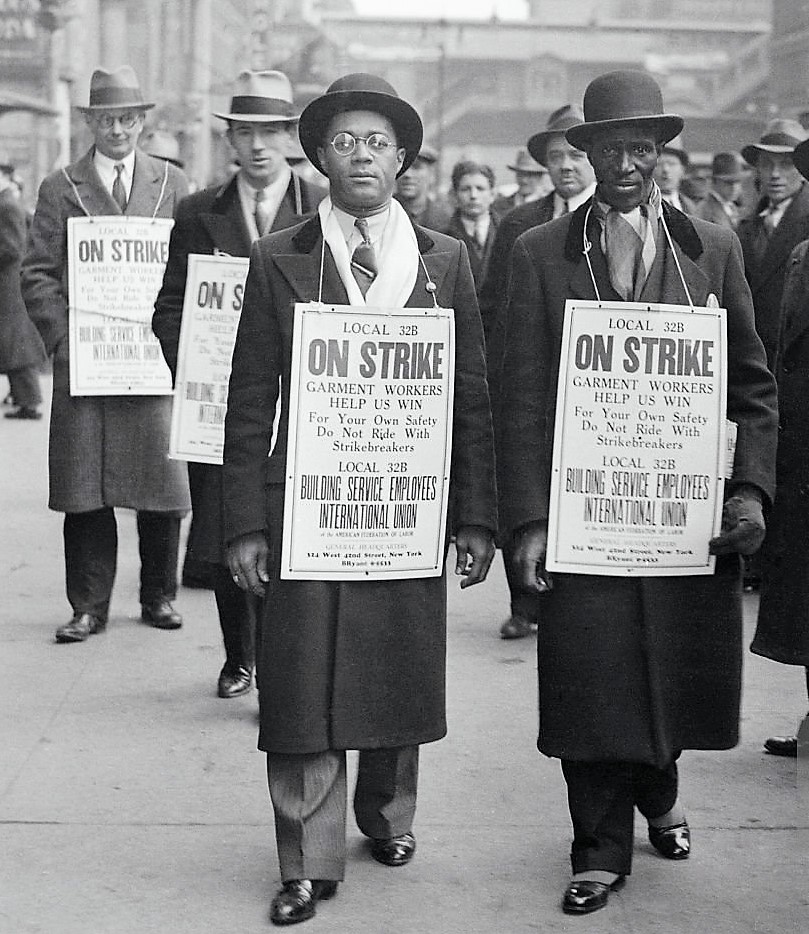
Turning to the industries, we show, as compared to the period of the last Convention, an increase in membership of 150 in the marine and longshore industries, 118 in transport, 20 in railroad, 157 in metal, 15 in shoe, 488 in food, 446 in needle, and 210 in building. The total for the most important industries, as compared to the last Convention, shows an increase of 1,604 members. This represents an increase of 120 per cent in marine, 128 per cent in transport, 50 per cent in railroad, and 50 per cent in metal.
WEAKNESSES IN RECRUITING
While this is a high increase in percentage, we must state, after comparing this increase with the percentage of increase in our total membership, that:
1. Recruiting from the concentration industries still reflects a decisive weakness in our concentration work.
2. There is still insufficient work in the A. F. of L.
3. There is still insufficient recruiting from among the unemployed, considering the thousands of workers who have participated in the various actions and demonstrations around the issues of the unemployed, led by the Unemployment Councils and our Party.
4. Although we have almost tripled our Negro membership, we note a weakness in recruiting Negro workers in the basic industries.
Out of the total District membership of 9,363, 72 per cent are male, 28 per cent female; 29.5 per cent are native born; 70.5 per cent foreign born, and only 7 per cent are Negroes; 57 per cent are employed, and 43 per cent unemployed.
Of the 5,397 employed, only 451 work in shops employing 500 or more workers and 455 are in shops of from 200 to 500 workers. The balance are in relatively small shops. The percentage of the total membership in unions is 53 per cent, of whom 17 per cent are in the A. F. of L. Ten per cent of the entire membership is in concentration industries; 50 per cent are in light industries, such as needle, food, shoe, etc.; 25 per cent are white-collar and professional workers, and 15 per cent are housewives, unskilled workers, students, etc.
These figures call sharply to the attention of the entire membership in our District the necessity of increasing the percentage of workers in basic industry, which means improving the methods of concentration; the necessity of carrying on more intensive work in the A. F. of L., the importance of recruiting from large shops and factories; and the more conscious recruiting of Negro workers.
Now, insofar as recruiting in the Sections is concerned, basing ourselves on the last three months’ period we can cite the following figures: Section 4 (Harlem) is leading, and in the last three months recruited 314 new Party members, of whom 92 are Negro workers. Of the total newly recruited Negro membership, Harlem recruited approximately 75 per cent, while the rest of the District recruited the balance. It is true that Harlem is the center of the Negro masses, but certainly Negro workers are to be found in other parts of our District, and these figures indicate our weaknesses in this field of work, particularly in Section 16 (Crown Heights, Brooklyn), where out of 39 new recruits, only seven are Negro workers. Crown Heights is the next biggest Negro Section in the District.
A serious situation prevails as regards assigning new recruits. In 1934, approximately 6,900 workers made application to the Party, while only 4,220 were actually assigned to units. In other words, 2,680, or 40 per cent of those who applied for membership, never reached the Party. In the last three months, 1,928 workers made application, of whom only 1,142 have been assigned to Party units; a total of 786 are thus still waiting to be assigned.
These figures indicate that while our Sections are more active today than ever before, and are recruiting on a larger scale than in the past, they are still not sufficiently alert to the importance of consolidating our organizational gains by retaining the maximum number of those signifying their readiness to be in the Party.
To improve this situation it is necessary:
1. That well-functioning membership committees be organized in each Section, composed of qualified comrades who understand Party problems and the importance of consolidating the Party gains, and who approach the question of new recruits as a political problem and not as a mere technical matter.
2. That the Section Organizers consider it their personal task to closely, and as frequently as possible, consult and check up with the membership committees, thus assuring that every new recruit is assigned to a unit within two weeks from the time he makes application.
3. That the comrades who endorse application cards shall be made responsible and shall consider their task as not fulfilled until the worker whom he has endorsed for membership is assigned to a Party unit.
FLUCTUATION
At the last Convention our District had a membership of 5,495. Since then we have recruited 5,741 members, which should have given us a total of 10,236 at the end of December. But in the last registration we registered only 8,221. In other words, we have lost 2,015 or 20 per cent of the total membership, although this is an improvement of 30 per cent as compared with last year, when the fluctuation was almost 50 per cent.
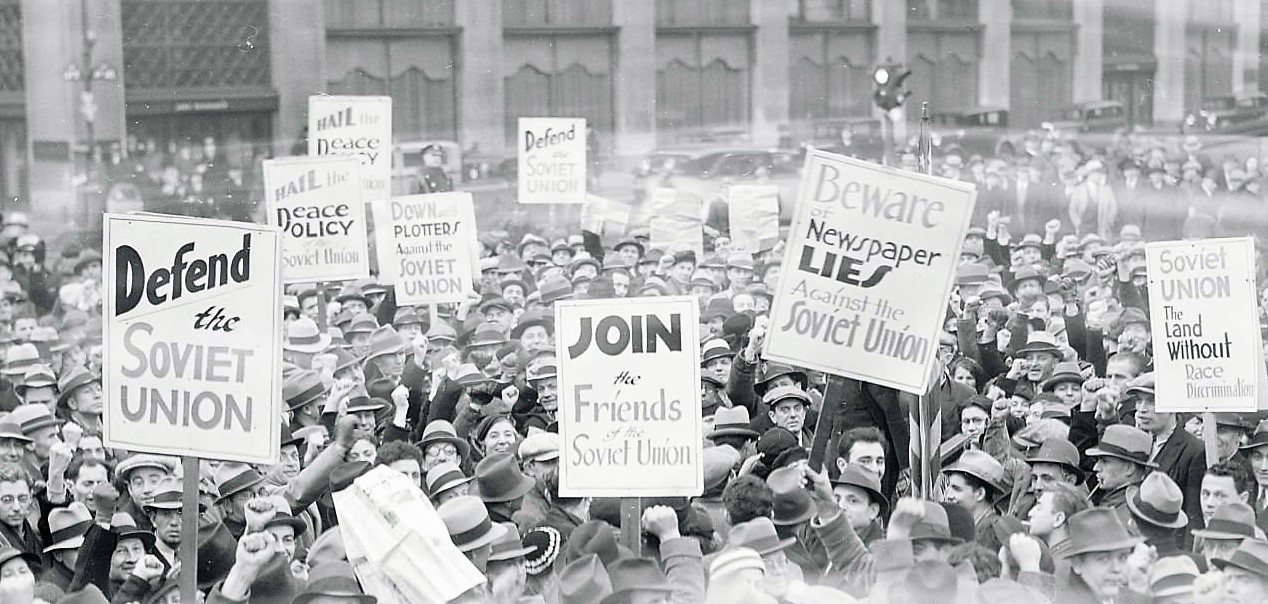
While these figures show an improvement we must take further steps to decrease the fluctuation.
DUES PAYMENTS
A few more words on figures: In the last seven weeks the average dues payments have been 7,485. If we compare this figure to 9,363, the number on our membership rolls, we find a discrepancy of 1,878. The average dues payments, as stated, are even less than the number of members registered in the recent registration—8,221.
Let us look at the Section figures for a moment.
Section 1, which was recently split into Sections 1 and 22, with a total membership of 1,333, has average dues payments of 979, a discrepancy of 353, or 26 per cent. Section 4, with a membership of 1,347, has average dues payment of 946, a discrepancy of 401, or 30 per cent. Section 17, with a membership of 431, has average dues payment of 311, a discrepancy of 120, or 28 per cent. Section 5, with a membership of 574, has average dues payment of 427, a discrepancy of 147, or 25 per cent.
These figures indicate again the underestimation in our Party of the importance of dues payments. While I have only cited four Sections, the situation in the other Sections is not very much better. This, if not checked and improved upon immediately, may result in the loss of hundreds of members who have joined recently.

The question, therefore, of good financial secretaries, of a constant check up in the Sections, of approaching the whole problem of dues payments from the point of view of fluctuation and growth of our Party, becomes a political and fundamental problem, and if approached that way, will not only help to stabilize our dues payments, but will considerably reduce the percentage of fluctuation as well.
TRADE UNION PROBLEMS
In reporting for the District Committee, Comrade Wortis has already dealt at length with the work of our Party in the trade unions. At this time I want only to stress the fact that there are 2,987, at least 32 per cent of our total membership, who are eligible for unions, but who have not joined them. It thus becomes the task of the District to undertake immediately a campaign to bring this force of almost 3,000 comrades into the trade unions.
A word or two on our trade-union fractions. We must state that in spite of our efforts, we have not yet succeeded in developing our fractions to a point where they act as the medium through which the Party conveys its message and program to the thousands of workers among whom the fractions work. Too often the meetings of our fractions assume the character of trade boards or executive boards, taking up issues in a way as to substitute for the meetings of the mass organizations themselves.
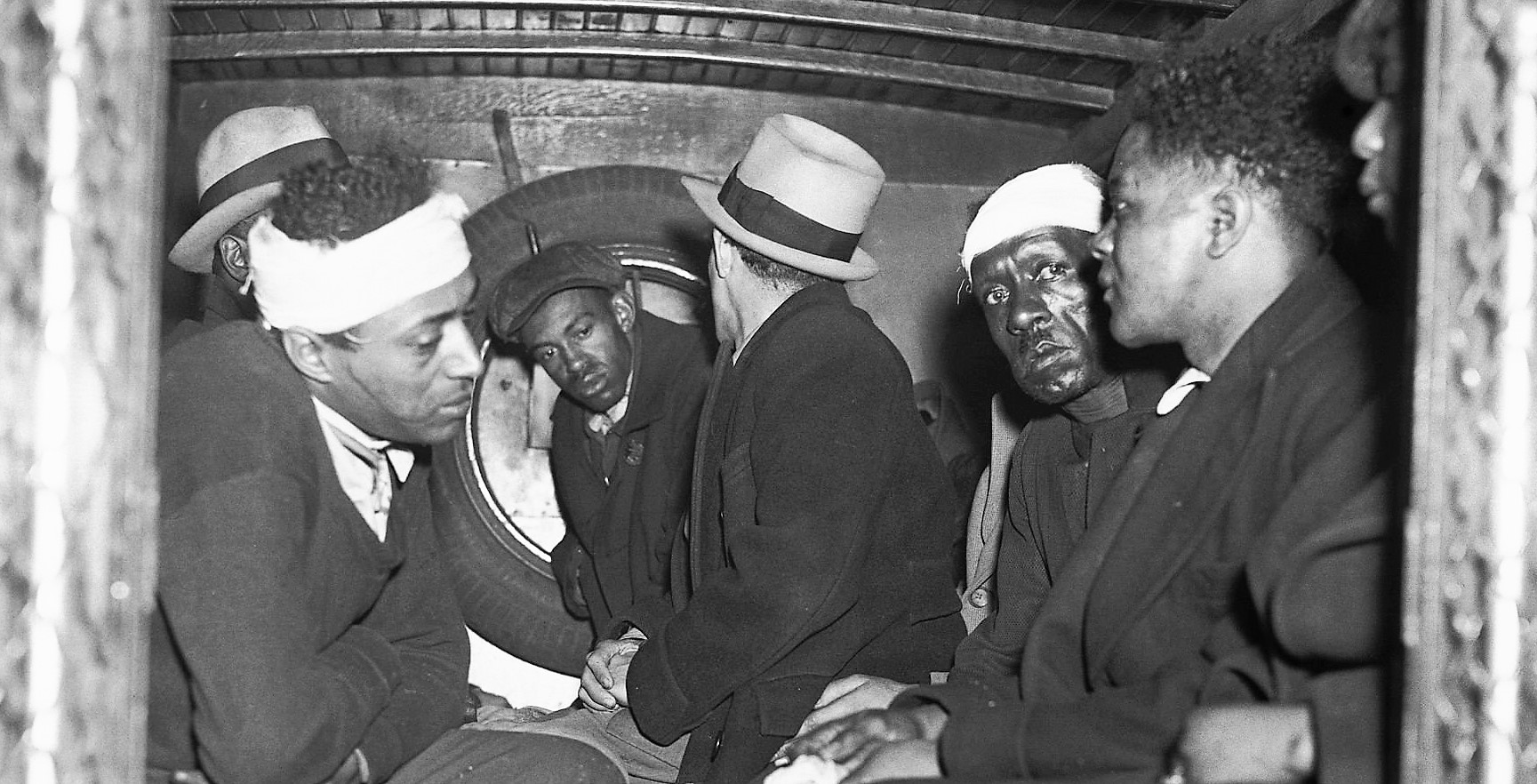
Our fractions in the trade unions, with very few exceptions, do not discuss or bring the political campaigns of the Party and the working class to the workers in their organizations. The recruiting for the Party, through the efforts of the trade-union fractions, is extremely negligible. Moreover, the Daily Worker is not utilized as an instrument to strengthen the union and further the influence of the Party.
UNEMPLOYED WORK
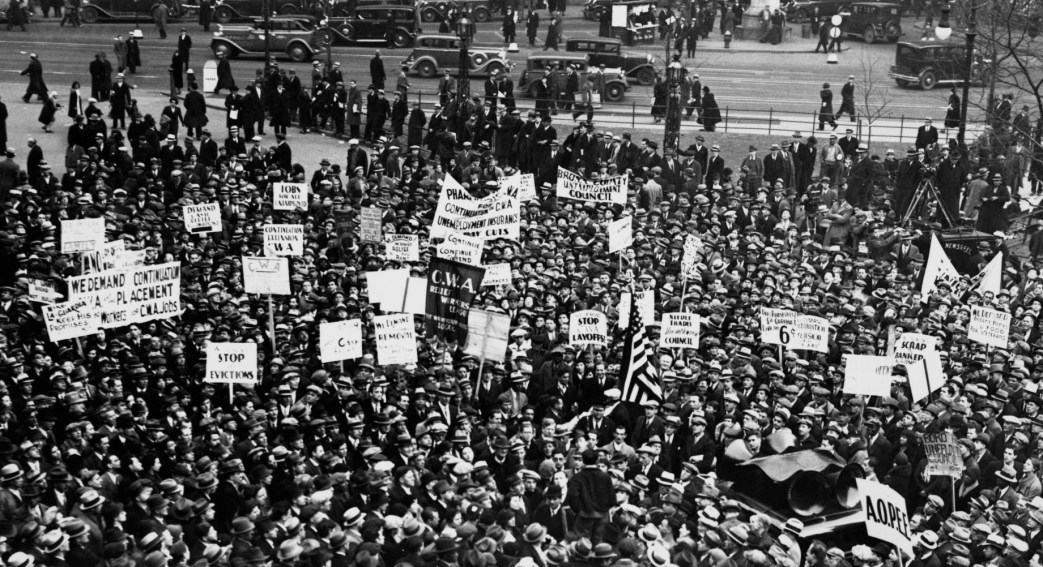
In the unemployed movement we can record some progress. At the time of the last Convention we had 22 locals, with about 650 members, while today we have 62 locals with 6,000 members. The Party was instrumental in developing, although by far not sufficiently enough, a broad movement around the issue of unemployment insurance, in the form of marches and demonstrations to the city and State legislatures, culminating in the Washington Congress, with 790 delegates present representing several hundred thousand workers.
On the other hand, the Party is still not sufficiently involved in the struggles of the unemployed. The Section Committees are still not paying the necessary attention to the building of the Unemployment Councils. They do not provide sufficient forces and leadership. It is our task to build strong Party fractions within the Unemployment Councils, establish closer contact between the Section Committee and the unemployed movement and build a firmer base for our Party among the unemployed than in the past.
Our Section Organizers, and other functionaries, must become the recognized leaders of the masses in their every-day struggles in their respective localities. This can be accomplished if our Section Organizers will not only take a keen interest in the work of the Party fractions among the unemployed, but themselves actively participate and lead the battles around the issues of the employed and unemployed masses. Leadership in the Communist Party is not determined by sending instructions from the office, but rather by one’s active participation in the class struggle, through which one becomes recognized by the masses as their leader.
INDEPENDENT LEADERSHIP OF SECTIONS
Since the last Convention we have built nine new Sections, giving us a total of 23 Sections, with the prospect of three new Sections in the immediate future. Today our Sections, more than ever, display more initiative and independent activity. It is sufficient to cite the examples of Sections 6 and 10. Through the initiative of the leadership in Section 6, the comrades were able to build the united front with the Socialist Party and other organizations not under the influence of the Party on the question of the struggle against Negro discrimination and the Saar plebiscite.
It is particularly noteworthy to mention the united front on the issue of Negro discrimination, which our comrades in Section 10 formed of 85 organizations, including Republican, Democratic and Fusion clubs, Socialist Party branches, American Legion Posts, Elks’ branches, and Negro churches and lodges, most of which had never before participated in any form of activity in the labor movement.
In the course of the united-front activities in Sections 6 and 10 certain weaknesses were manifested, such as:
1. Insufficient drawing in of the members in the various actions initiated by the Committee for Equal Opportunities in Section 10.
2. In spite of the broad representation, insufficient white organizations, particularly A. F. of L. locals, were involved in the struggle for Negro nights.
3. Insufficient support of the struggles of the united-front group from other parts of the city.
4. Insufficient independent activity of the Communist Party.
5. The failure of the League of Struggle for Negro Rights to come forward more boldly as an independent organization within the united front.
It must also be stated that the comrades in Section 10 must take the necessary steps to eliminate the serious danger that the present broad united front in Queens in behalf of the Negro doctors will narrow down to the Party and its close sympathetic organizations.
On the whole, however, the comrades in Sections 6 and 10 have displayed a good Party, political understanding of the united front, and their policies were in the main correct and were approved by the District.
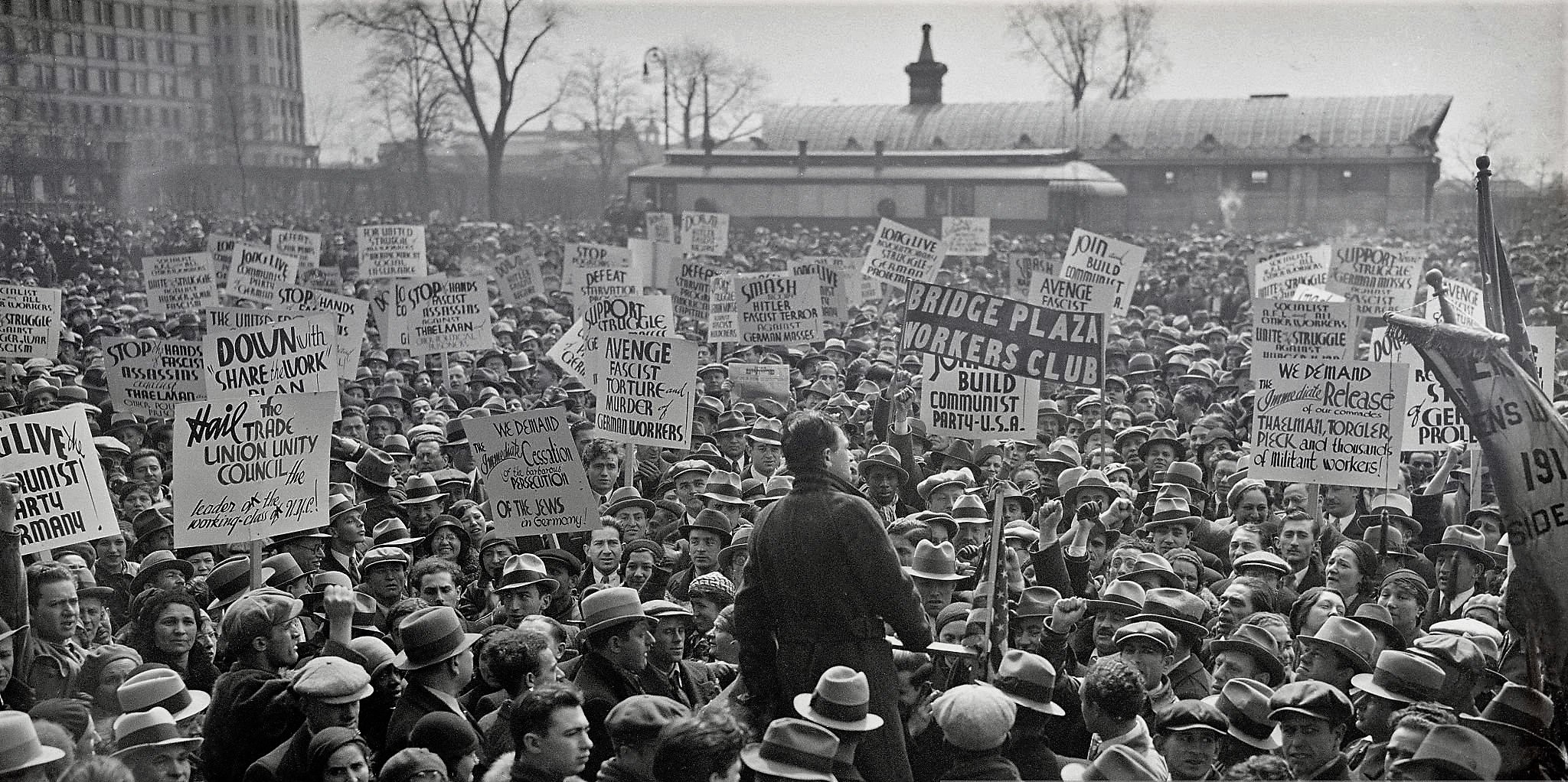
We may also mention the example of Sections 2 and 7, which, upon their own initiative, undertook concentration in such an important industry as power. Although in the original control tasks of the District, power was not marked as a concentration industry, we can record today shop nuclei and economic organizations built as a result of the initiative of Sections 2 and 7.
CADRES
Since the last Convention, we have made attempts to bring to the forefront new proletarian elements, particularly Negro proletarians, in the leadership of our Party. In this connection we can point to our Harlem Section, where we have 18 Negro comrades as unit organizers, where we developed a number of Negro comrades as mass leaders of the workers in their territories. The Harlem Section has also supplied the District with leadership in the form of a core of Negro comrades for our District Committee and District Bureau, as well as in mass organizations on a District scale. We have also succeeded, although not to a great extent, in developing other proletarian comrades in the leadership of the other Sections.
In the main, however, the District and Sections must pay even more attention than in the past to this important task of developing new proletarian forces in the leadership of our Party. This is particularly important now in view of the sharpening class struggle and the attacks against the Party. This does not imply that the other elements in our Party are not useful, or are to be eliminated or discarded. However, it is clear that as the Party of the working class, particularly on the eve of gigantic class battles, the best guarantee that our Party will be able to react to issues and lead the workers in the struggle, is to root the Party in the shops and factories, and proletarianize its leadership in the units and Sections and in the mass organizations.
STREET UNITS
We have already dealt with examples of shop nuclei. We can also see how our street nuclei were able to bring about improved results for the Party in the neighborhoods, in trade unions and in shop work.
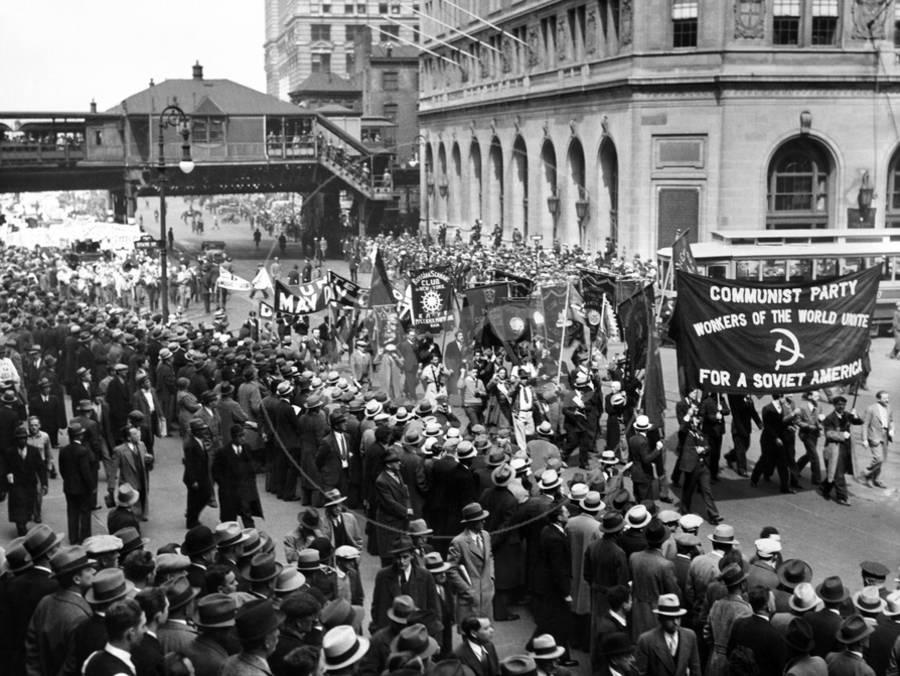
A good example of the improved work of the street units is Unit 18, Section 15. One of the good features of this unit is the activization of every member in the unit in a trade union. The unit has improved its inner life; it opens its meetings promptly at 8:15 and adjourns at 10:45 at the very latest. Political discussions in the unit are a weekly occurrence. The discussions are planned in advance by the unit bureau, literature being prepared dealing with the topic of discussion for the next meeting. Because of the improved inner life and correct orientation, the average attendance is 80 per cent; fluctuation has been completely checked, and in the last two months the unit has recruited 19 new members.
Another example is Unit 2, Section 22. Because it consistently controls the activities of the comrades and has established the captain system and improved the inner life of the unit, the unit was able to recruit 40 workers into the Party, and three into the Y.C.L., in a period of four months. The composition of that unit is 80 per cent shop workers, with about 50 per cent of the entire unit membership in trade unions, of whom 25 per cent are in the A. F. of L. The unit was instrumental in building mass organizations in its territory. It issues a monthly bulletin dealing with the immediate problems of the workers in their territory. As a result of the good work of that unit, the workers in the territory look up to the Party as their leader in the struggle for their demands.
SHOP NUCLEI BUILT BY STREET UNITS’ ACTIVITIES
An encouraging feature is the fact that we can point to a number of shop nuclei in our District which were built as a result of concentration by street units. ‘Thus we can see that we have an improvement in this field, where our comrades in the street units, as well as in the leadership in the Sections, recognize the political significance of the shop nucleus as the basic unit of our Party, and have employed all efforts in building shop nuclei. We must strive more and more to shift the membership in the street nuclei into shop units and activize them in the factories wherever possible.
It is important that we also take note of some lingering bad methods of work in some of our street units. An example may be cited of a street unit in one of our Sections. This unit was given the task of concentrating on an important metal shop. Because of the laxness of our comrades, and their failure to consistently follow up its concentration, after six months of work the unit not only failed to build a Party unit in the shop, but did not make a single contact among the workers. In the course of a strike of the workers in the above mentioned factory, the street unit in question confined its activities to occasional sales and distribution of the Daily Worker. The meetings of this unit begin late, and the work is not planned, with the result that there is a great amount of fluctuation in the unit and the recruiting is on an extremely low ebb.
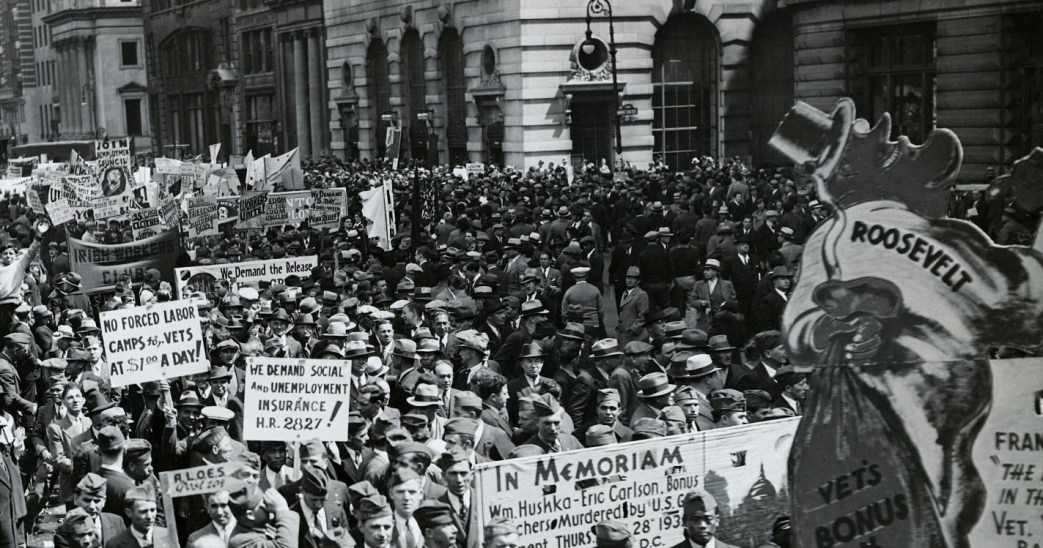
On the whole, however, we can state that the life of our street units has improved and where our units display independent initiative they become the leaders of the workers in their respective territories, participate and lead in the struggles of the workers, and as a result build the Party and the mass organizations.
UNIT LEADERSHIP
The examples cited emphasize the importance of building strong leadership in the units, particularly in the shop nuclei, strong political unit bureaus out of the best proletarian elements, and the immediate necessity of establishing the captain system throughout our District.
YOUNG COMMUNIST LEAGUE
The Y.C.L. in our District has grown from 1,000 to 3,000, was successful in increasing its number of shop nuclei, and established united-front movements, particularly in the American Youth Congress.
In the achievements of the Y.C.L., the Party helped considerably. We can state that because of the good leadership of the Y.C.L. in the New York District, and its improved quality of work, the Y.C.L. is on the road to becoming a real mass league.
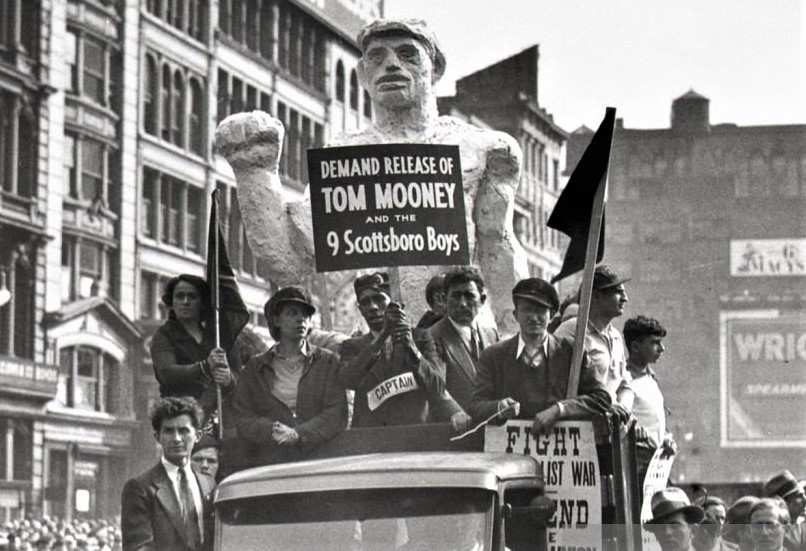
Our task at this conference is to continue even more than in the past, to assist the comrades in the Y.C.L. in their every-day activities. ‘We must undertake at this conference to set an example to the Party in the rest of the country, as well as to some of our brother Parties in our International, to help the Y.C.L. become a larger organization than the Party itself: This can be accomplished if all of us undertake very earnestly to mobilize the Party to help the comrades in their daily work, carry out the decision of assigning forces to work among the youth, and arouse the whole Party to the necessity of building a mass Y.C.L., enabling it to lead the struggles of the young workers and students.
FINANCES
A word should be said on finances. We succeeded in stabilizing the finances in the District, working on a budget at present, providing the necessary funds for agitational and propaganda material, such as leaflets, pamphlets, schools, etc. We have not yet fully succeeded in stabilizing the finances in the Sections and in the units, as well as in some of our mass organizations, with the result that very often comrades, when they are confronted with certain struggles, run to the District, and when the District is in no position to help them, these comrades do not perform their Communist duty, and allow their agitation and propaganda work to diminish.
We proposed the building up of a Red Fighting Fund in the Sections and in the units, which, if properly carried out, would help our Party to improve its agitation and propaganda, make it possible for the units and fractions to issue leaflets, as well as to arrange a greater number of meetings than at present.
DAILY WORKER
It is important to deal with another highly important task, namely, the building of the Daily Worker. Here we can state that the circulation of the Daily Worker, through the channels of the Party Sections, Red Builders, newsstands and unions, is negligible. During the month of January, 1935, the circulation of the Daily decreased as compared to last year.
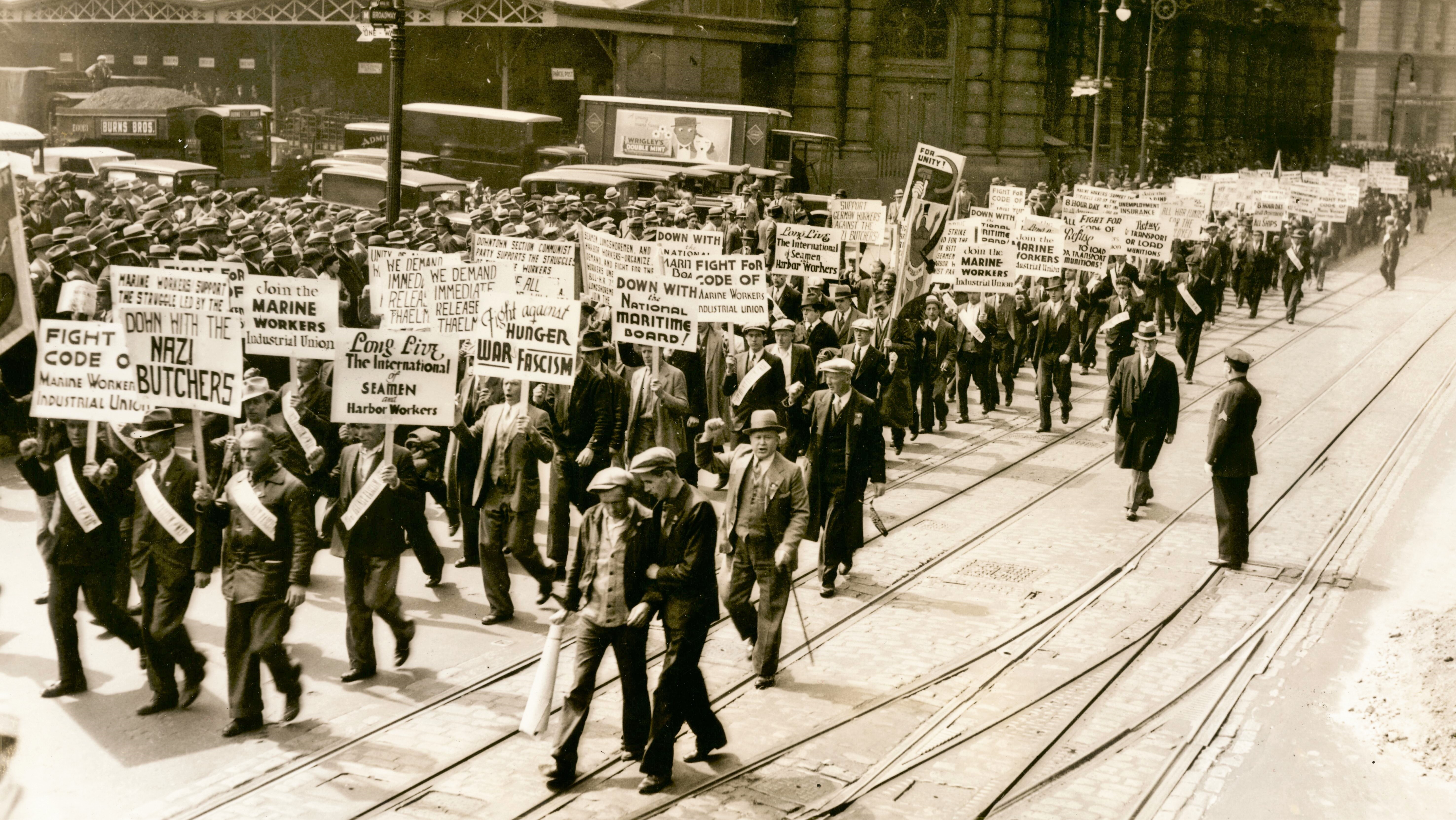
The basic cause for such a situation is the lack of organization, the proper distribution agencies in the Party, the insufficient appreciation within the Party of the importance of the Daily Worker, and the complete underestimation of our central organ on the part of our comrades in the trade unions.
To improve the situation it is necessary that the Section Committees assign some of the best forces for the building of the Daily Worker, that the building of the Daily Worker shall not be the function of an individual, or a small committee, but of the Section Committee as a whole; that a consistent check up on the building of the Daily Worker be carried on by the Sections; that the fractions in the trade unions and mass organizations elect special committees to be in charge of the sales of the Daily Worker and that the Daily Worker be placed on the order of business of every meeting of the fraction in the trade union; that special attempts be made to increase the number of Red Builders, particularly in industrial sections, busy corners, front of shops, etc.
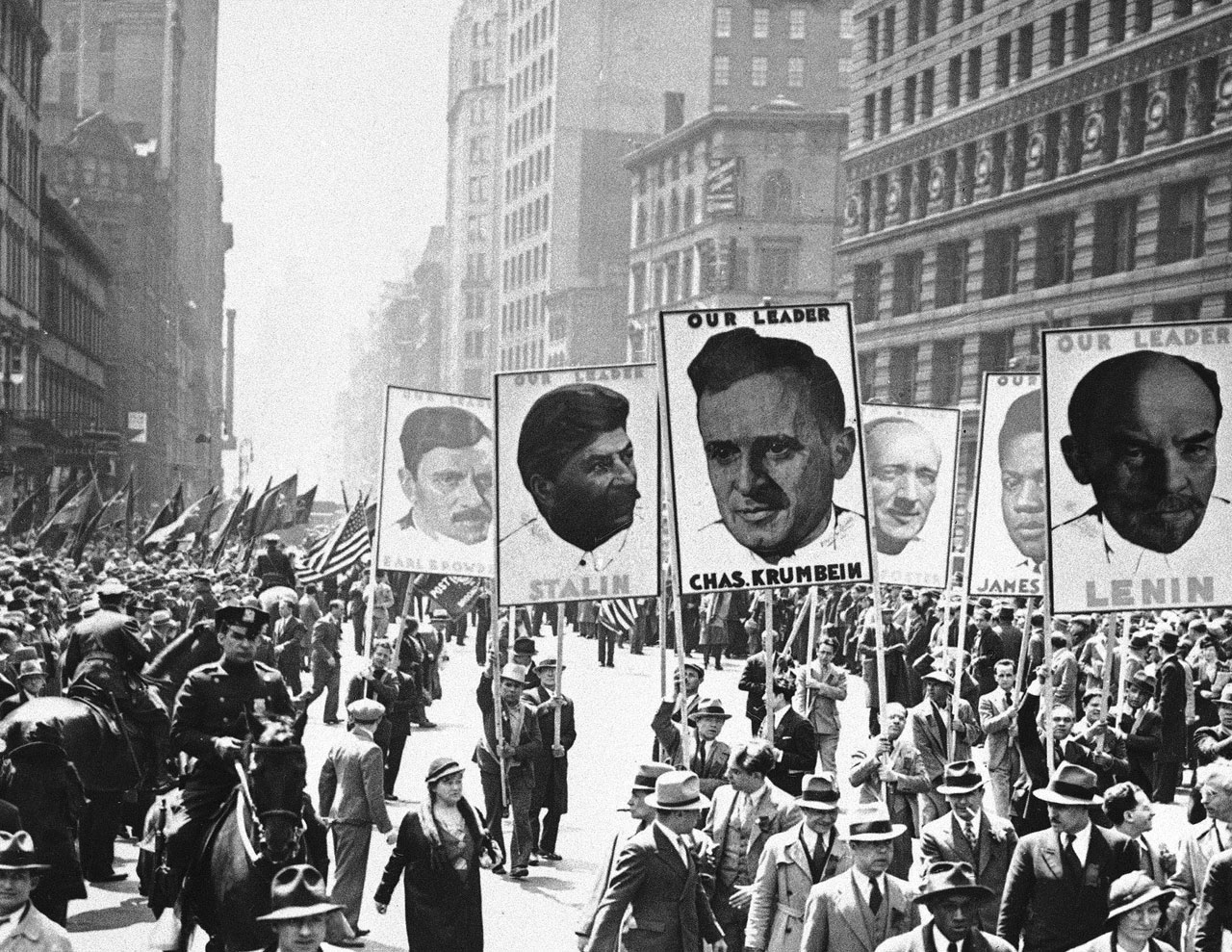
A special committee of the Political Bureau of our Party, of which Comrade Browder and Krumbein are members, gave us the task of increasing the circulation of the Daily Worker in our District to 30,000 by May 1, and 60,000 by August 1. This may appear to be an exaggerated figure now. However, if the present attitude towards the Daily Worker is changed, and the comrades in the Party and mass organizations use more vigor and determination to build the Daily Worker, we shall be able to comply with the decisions of the Central Committee.
CO-ORDINATION OF CAMPAIGNS
It is important to deal briefly with another phase of our activity which must be improved. This question requires much more time than I can give at present. However, I want to mention it.
I have in mind the co-ordination and the ability to link up one campaign with another as part and parcel of the general class struggle in the United States. At times we find ourselves lost because of the numerous campaigns. The trouble is not too many campaigns, but rather the point to emphasize is the necessity of our Party bringing our campaigns and their respective slogans to the workers in such a simplified form that the workers will see in the slogans of the Party, if realized, an improvement of their own,
conditions, and thereby be willing to fight with the Party for the realization of those slogans. This will be accomplished if our Sections and fractions find the method of connecting these campaigns with the immediate and partial issues of the workers. Another point which requires consideration is the tendency on the part of many of our fractions within the mass organizations to lean and depend on the District apparatus and the units to make their given campaigns a success. The comrades see the possibility for mobilizing for action only when they get the Party membership together, but tend to take a defeatist attitude when they are confronted with the task of mobilizing the masses themselves. It is understood that the Party must be in the forefront of all the campaigns and struggles of the workers. At the same time, our fractions in the mass organizations must learn to bring their campaigns to the masses of workers in such a form as to enable the comrades to mobilize sections of workers in support of the given campaigns.
CONCLUSION
In conclusion, comrades, we can see that our Party has recently made decisive gains. ‘These achievements are the result of the efforts of the entire Party—the District and Sections as well as the mass organizations. Comrade Krumbein, our District Organizer, played a leading role in this.
These achievements were realized because of our efforts to carry out the directives of the Open Letter. We were also ably assisted by the Central Committee of our Party.
At the same time we must guard ourselves against the tendencies of self-satisfaction. Our achievements are not too great if compared to the objective possibilities and requirements of the moment. Therefore, let us at this conference resolve that on the basis of our experience and the lessons learned, with the resolutions of the Central Committee before us, to move forward to greater battles and greater achievements for our Party, thereby advancing in the most concrete manner the slogan of Soviet Power.
There were a number of journals with this name in the history of the movement. This ‘The Communist’ was the main theoretical journal of the Communist Party from 1927 until 1944. Its origins lie with the folding of The Liberator, Soviet Russia Pictorial, and Labor Herald together into Workers Monthly as the new unified Communist Party’s official cultural and discussion magazine in November, 1924. Workers Monthly became The Communist in March ,1927 and was also published monthly. The Communist contains the most thorough archive of the Communist Party’s positions and thinking during its run. The New Masses became the main cultural vehicle for the CP and the Communist, though it began with with more vibrancy and discussion, became increasingly an organ of Comintern and CP program. Over its run the tagline went from “A Theoretical Magazine for the Discussion of Revolutionary Problems” to “A Magazine of the Theory and Practice of Marxism-Leninism” to “A Marxist Magazine Devoted to Advancement of Democratic Thought and Action.” The aesthetic of the journal also changed dramatically over its years. Editors included Earl Browder, Alex Bittelman, Max Bedacht, and Bertram D. Wolfe.
PDF of full issue: https://www.marxists.org/history/usa/pubs/communist/v14n05-may-1935-communist.pdf
 Revolution's Newsstand