
Kansas Socialist Emil Stultz observed 1910’s Socialist International conference in Copenhagen and wrote this report for the REVIEW.
‘The Eighth International Socialist Congress’ by Emil Stultz from the International Socialist Review. Vol. 11 No. 4 October, 1910.
THE past week has shown to the world the most brilliant manifestations of international solidarity of the proletariat. From all parts of the globe the delegates came to join their fellow workers in earnest endeavor to help on the great cause of socialism.
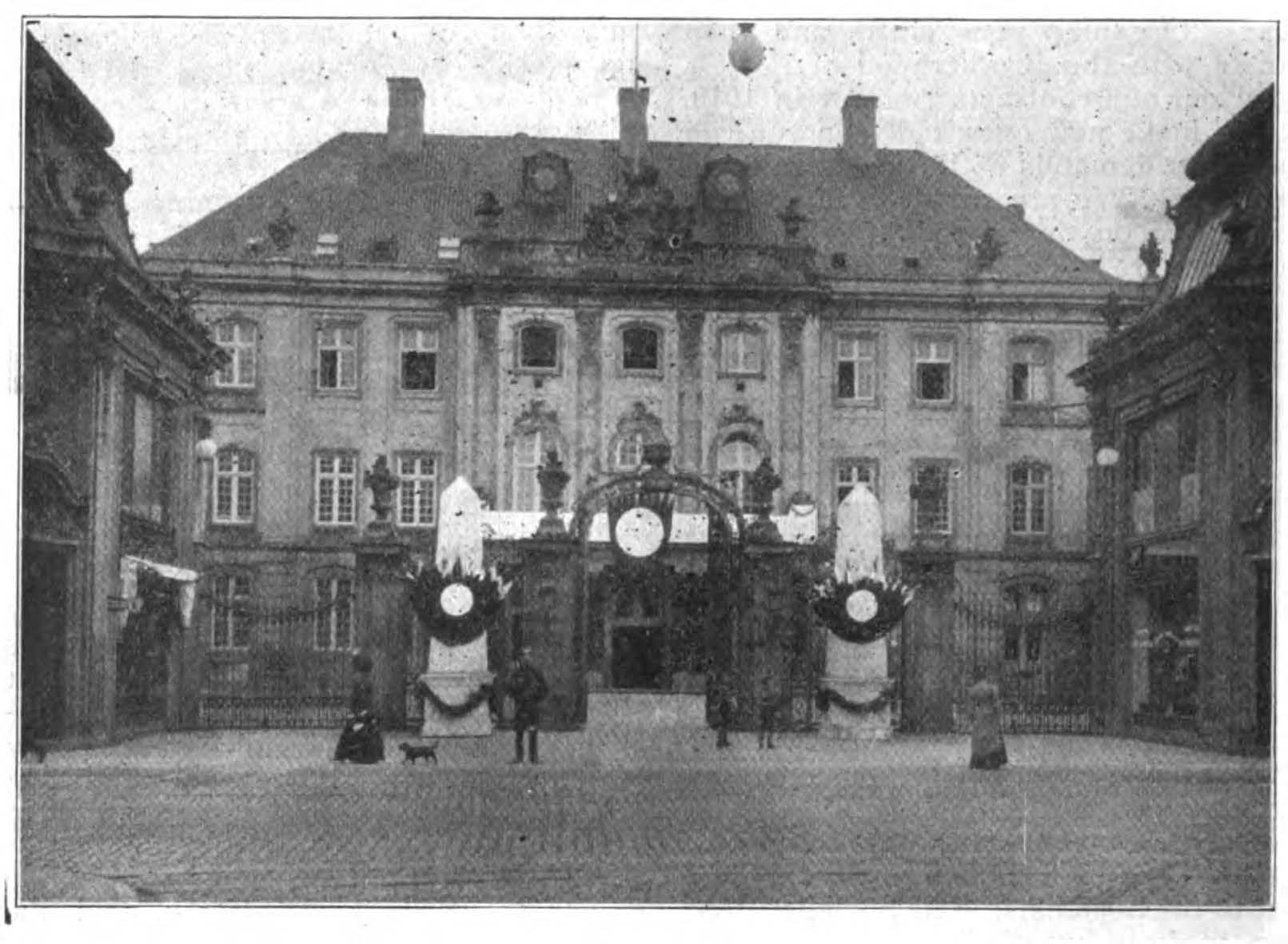
In such numbers they made their appearance that the large auditorium of the Koncertpalais could hardly hold them. The building wears the emblems of the Social democracy. The large banner floating over it bears the words, Eighth International Socialist Congress. The whole interior is decorated with the color of the proletariat and back of the platform the wall is covered with a giant map of the globe, the two hemispheres linked together with a ribbon bearing the old battle cry of the International, “Proletarians of all countries unite.”
The walls and galleries of the assembly hall are ornamented with the flags of all nations and show mottoes full of deep meaning. 887 delegates are present. Germany sent 189; France 78; Austria 72; Bohemia 36; Great Britain 84; Russia 38; Italy 9; United States 24; Belgium 26; Sweden 86; Denmark 46: Poland 17; Switzerland 17; besides many others.
At 10:30 A.M. the Congress was opened by an impressive Cantate sung by 500 members of the Copenhagen workingmen’s’ singing societies. The music was by S. Hend, a Copenhagen composer, and the book by A. P. Meyer, a well known agitator, author and poet. The audience was carried away the melody and the lofty sentiments of the opera and the poet received a grand ovation.
Comrade Stauning welcomed the delegates on behalf on the Danish comrades and gave the history of the Danish movement which has sent 28 members to the Richsdag; 120,000 subscribers read the 33 socialist papers and 120,000 workingmen form the trade union army, in little Denmark with only 2,500,000 inhabitants.
Vandervelde thanked Danes for their magnificent reception, giving a short review of the socialist movement of the world with 33 nations joined under the International to-day, under whose banner 8 million voters march toward the goal of socialism, He closed amid great applause expressing the regret of the Congress at the absence of August Bebel.
Huysmans, secretary of the International Bureau, instructed the delegates upon the order of business, which was published a month or two ago in the Review.
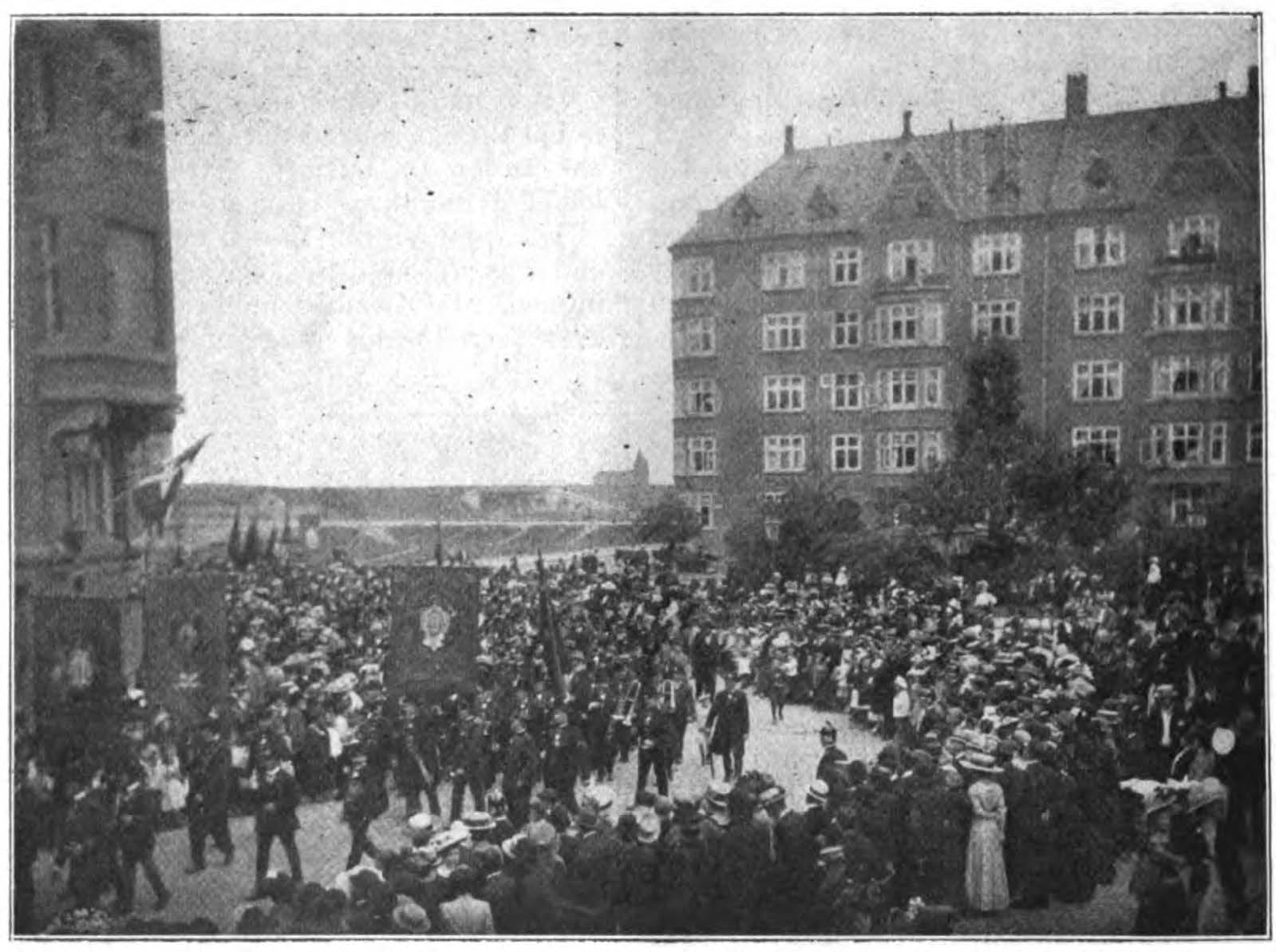
The first sitting closed at 1:00 o’clock and was followed by a parade of the workingmen of Copenhagen, the largest parade ‘ever seen in this old emporium. At the head of the 40,000 workingmen, the Mayors of Copenhagen, Jensen and Knudsen, marched with their wives, followed by the socialist councilmen and magistrates of the city. 15 bands furnished the music. Countless red banners floated in the breeze and gave still more color to the lively picture. Post office employes, street car men and railroad men were in the procession. The banner of the metal workers bore the inscription 800,000 of our members belong to the International Union. The many soldiers who joined the parade gave to it the appearance of a veritable army. The crowds applauded them enthusiastically for showing to the world the growing solidarity of the working class.
When the columns of the marchers arrived at the Sondermarken, we found four platforms erected for speakers of all nations, who addressed the great multitude gathered to greet the International Congress. Conservatively speaking 150,000 people were present. The greatest enthusiasm swayed this ocean of humanity which listened eagerly to the addresses of the speakers. The celebration continued till late into the night.
The next days of the Congress were devoted to the earnest work of the commissions. The main work of the Congresses is done, of course, by appointed committees. Not until Thursday were these commissions ready to report upon their work.
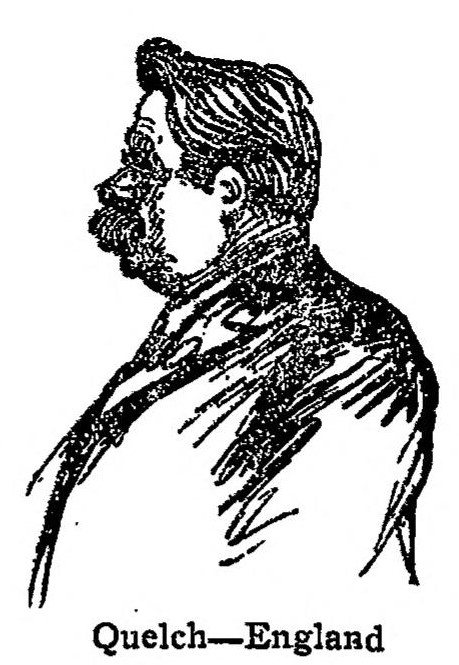
At 10:15 Chairman Branting, of Sweden, opened the second plenary session and the question of Unemployment was before the Congress. After a debate, in which Macdonald, Quelch, and Braun (of Austria) took the floor, a resolution was adopted by a large majority declaring that unemployment is inseparable with capitalist production. Within the capitalist system, not the abolition but the diminution of unemployment can be brought about. The Congress asked that the efforts of the workingmen’s’ organizations to help the unemployed be increased. Representatives of the working class shall demand:
- Statistical information regarding the state of unemployment.
- Payment of trade union wages.
- Extraordinary and financial aid in times of industrial crises.
- Unemployment must not curtail political rights.
- Founding of and aid to public employment agencies.
- Diminution of unemployment by legal means.
- Compulsory aid to the unemployed.
The English section abstained from voting as, in their opinion, so Macdonald and Quelch stated, the terms of the resolution were too vague and undecisive.
In the afternoon, Jeppessen, of Norway, took the chair. The resolutions of the 5th. Commission were before the house. The resolution of France on Unity referred to the great results brought about by the Amsterdam Resolution on Unity in France and urged their example upon the national parties which are still divided in factions. The Spanish resolution dealt with the case of Ferrer and condemned the reactionary outrages of the Spanish Government. Those of Japan and Argentine were protests against outlawing the proletariat by the ruling class. The Russian outrages against Finland were the object of another resolution. Ellenbogen, of Austria, reported for the Commission. A debate ensued carried on by De Leon, Berger, Kalaroff and Sakasoff, of Bulgaria, in which a little tilt took place between the American speakers.
On September second the International Bureau decided that the Interparliamentary Conference be postponed until 1911. The question whether the Independent Trade Unions of Russian Poland whose membership in consequence of persecutions by the Czar Government has decreased from forty to thirty thousand shall retain their one vote of the Polish section was deferred till the next meeting.
At 10:30 A.M. the third Plenary sitting of the congress opened with Klausen, of Denmark, in the chair, Ellenbogen, of Vienna, gave the balance of the report of the fifth Commission. Without further debate, the French Resolution on unity, the Japanese, Argentine and Finland resolutions were unanimously adopted.
Next in order was the resolution of the 3rd Committee against war. The one adopted by the Committee confirmed the Stuttgart Resolution and instructed the International Bureau in case of war threatening the world, to immediately take the necessary steps to bring about concerted action of the labor parties of the countries concerned, to prevent an outbreak of war.
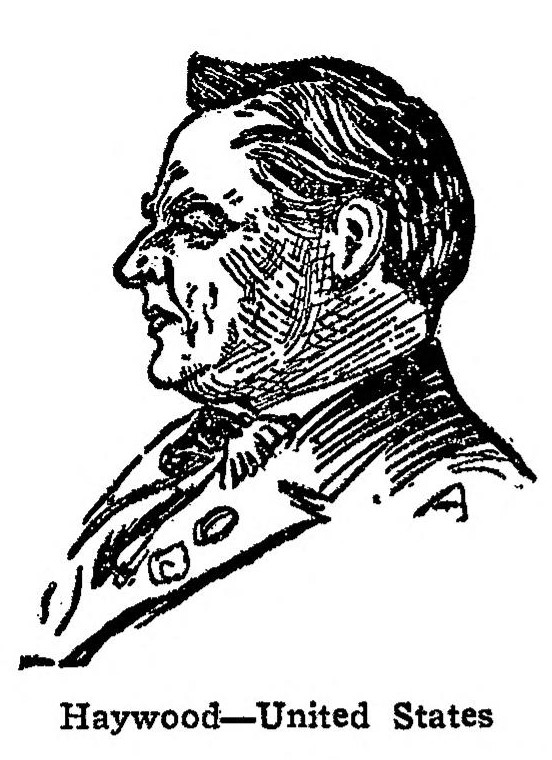
The French and English socialists and William D, Haywood declared the resolutions were not far-reaching enough. An amendment was brought in which read: The congress considers as a means for the prevention of war the General Strike, especially the walkout of trades occupied in the production of arms and ammunition. This was adopted together with two amendments, unanimously, amidst the cheers of the delegates,
The last day of the Congress opened at 10:20 with a resolution of the Swedish party on International Solidarity the first point of order. This was caused by the failure of the English trade unions to come to their assistance in the giant lockout and strike of the Swedish workers. This resolution asked that ways and means be found to make the international solidarity of the workers more effective and fruitful in practical results in cases of war between capital and labor.
Huggler, of Switzerland reported for the Committee. Andersen, of England, Cohen, of Germany, spoke. The resolution was unanimously adopted, the English section voting for it amid cheers.
The resolution of the 4th. Commission— the one on social legislation, which demands sufficient financial aid to the unemployed also to the widows and orphans and states that by social legislation no industry is injured, but on the contrary, through the improvement of the general health of the working class and the higher standard of living among them, the efficiency of labor is increased, was adopted against the votes of the English delegation.
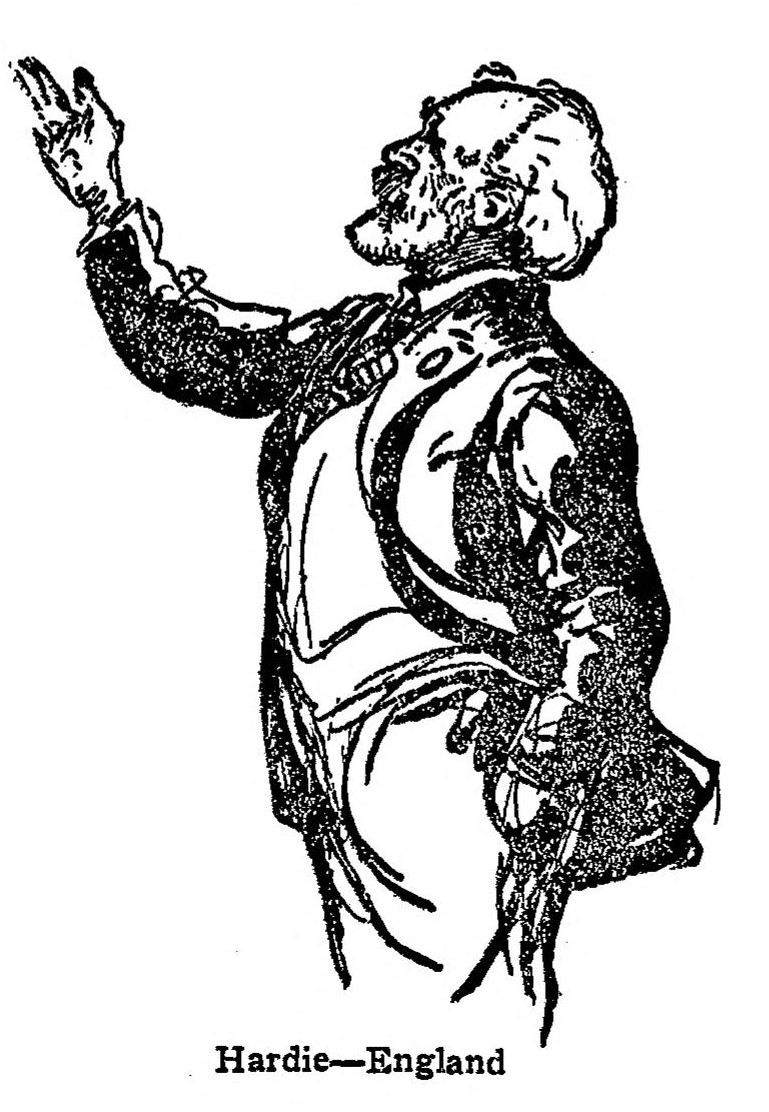
The resolution on the right of the asylum on which Keir Hardie delivered a much applauded address, one on Spain, recommended by Pablo Iglesias, were unanimously adopted.
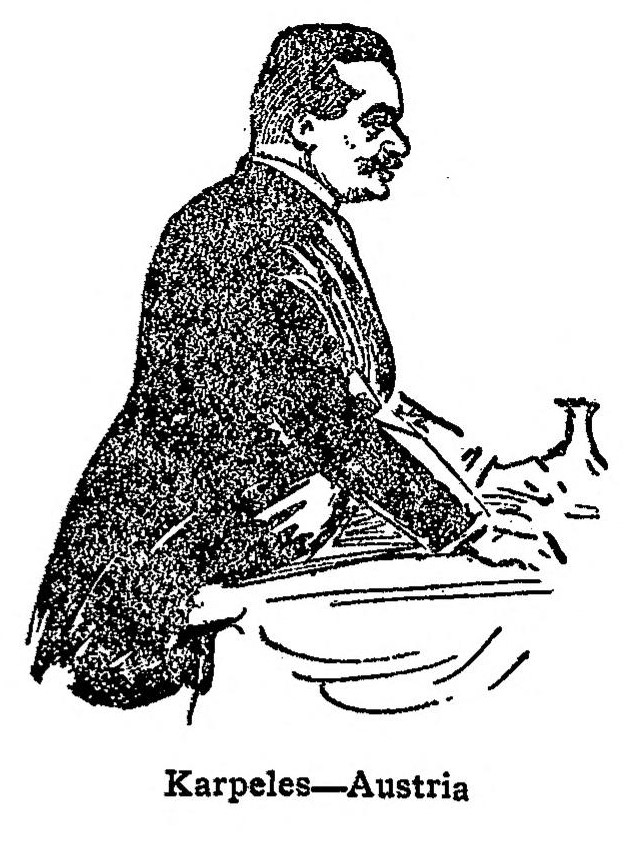
The last question—the cooperative movement, was dealt with in the afternoon. Karpeles, of Austria, for the 1st Committee, advocated the adoption of a resolution stating that through the cooperatives the movement can never hope to accomplish the emancipation of the working class, but that they might serve as a useful weapon in the class struggle. But, he stated that the profits accruing from co-operatives ought never to be paid to the members of these societies but should be used to educate the members in the philosophy of socialism, Where possible the co-operatives should give financial aid to the socialist party and to the trade unions. In every country they should form one united body to further the work of the revolutionary movement.
In the debate which followed, Irving (English) complained that in England the socialists found the co-operative movement had very little sympathy with the socialist movement and contained very little socialist spirit, The leader of the co-operative movement in Germany spoke on the other side and succeeded in getting the congress to adopt the resolution. Thereupon Adler, of Austria, invited the delegates to hold the next congress, in 1913, in Vienna. This invitation was accepted.
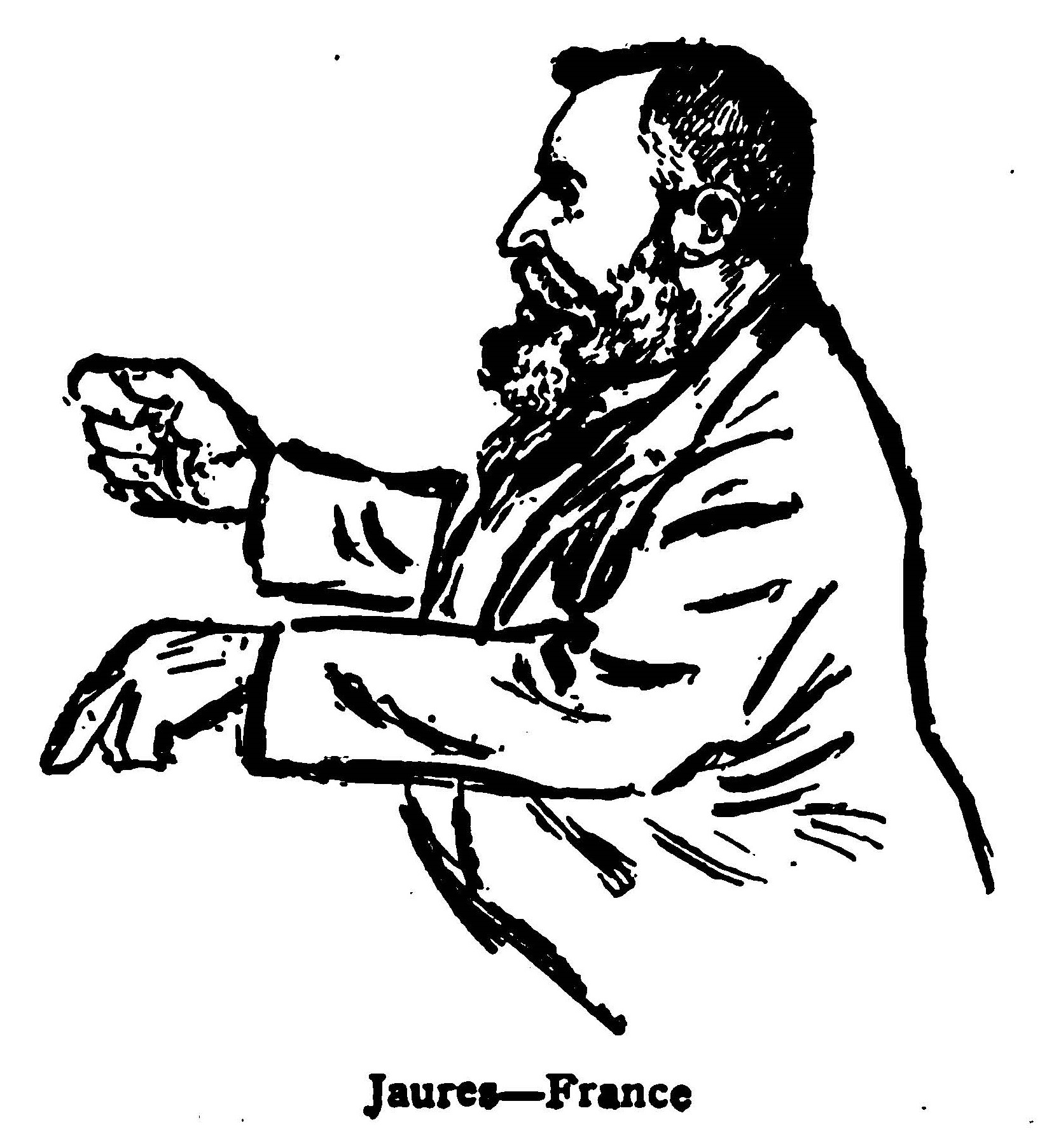
After Branting, of Sweden, Jaures, of France, and Vandervelde, of Belgium, had thanked the Danish comrades on behalf oi the delegates the congress closed with the delegates singing the Marseillaise amid the greatest enthusiasm.
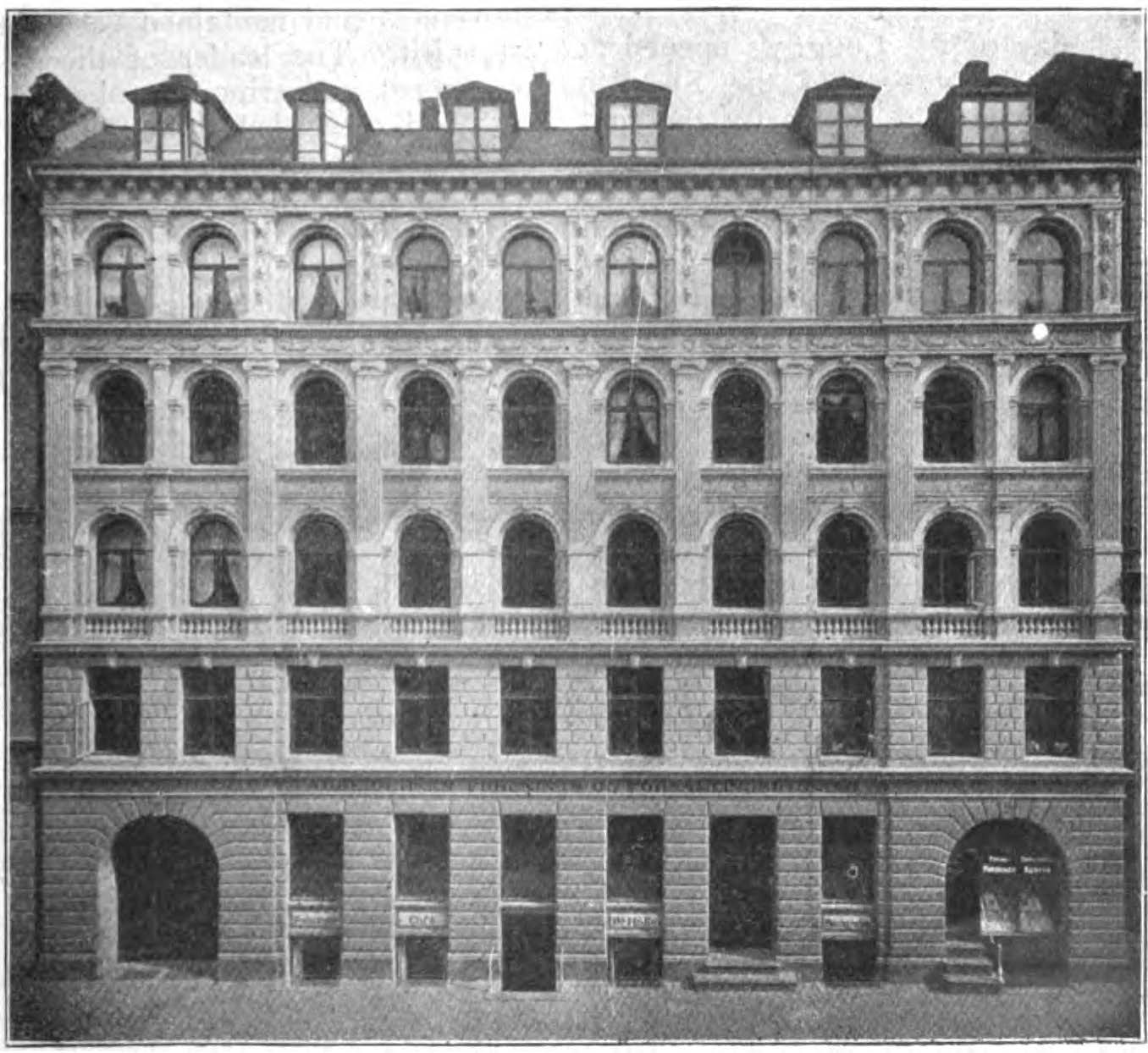
In the evening of September third, the Danish socialists gave a magnificent farewell banquet to the delegates in the City Hall. Over 1,500 people thronged this beautiful building. The hospitality of our Danish comrades knew no bounds. The banquet was addressed by the two mayors of Copenhagen, while the strains of the Marseillaise and the Internationale floated through the lofty halls, which were draped with the red banner of socialism.
The guests remained until long after midnight. Everybody was loth to leave a scene so filled with the spirit and the inspiration of the revolutionary movement. But when the hour grew very late, the delegates bade their comrades farewell and departed to return to their homes over all the world to bear with them some of the enthusiasm that flooded old Copenhagen during the days of the International Congress.
The International Socialist Review (ISR) was published monthly in Chicago from 1900 until 1918 by Charles H. Kerr and critically loyal to the Socialist Party of America. It is one of the essential publications in U.S. left history. During the editorship of A.M. Simons it was largely theoretical and moderate. In 1908, Charles H. Kerr took over as editor with strong influence from Mary E Marcy. The magazine became the foremost proponent of the SP’s left wing growing to tens of thousands of subscribers. It remained revolutionary in outlook and anti-militarist during World War One. It liberally used photographs and images, with news, theory, arts and organizing in its pages. It articles, reports and essays are an invaluable record of the U.S. class struggle and the development of Marxism in the decades before the Soviet experience. It was closed down in government repression in 1918.
PDF of full issue: https://www.marxists.org/history/usa/pubs/isr/v11n04-oct-1910-ISR-gog-Corn-OCR.pdf
 Revolution's Newsstand