The International Labor Defense was a Workers Party of America, and later Communist Party-led, non-partisan defense organization founded by James Cannon and William Haywood while in Moscow, 1925 to support prisoners of the class war, victims of racism and imperialism, and the struggle against fascism. It would be among the most consequential projects of the C.P. from its founding until it folded in 1937, as it played a key role in many of the important political trials and solidarity campaigns of that tumultuous decade. I.L.D. Secretary James P. Cannon reports on the organization’s second conference, with a supplemental article from the issue by wobbly Fred Mann on the Chicago gathering. Generously illustrated, as always with ‘Labor Defender.’
‘The Second Annual Conference of the International Labor Defense’ by James P. Cannon from Labor Defender. Vol. 1 No. 8. October, 1926.
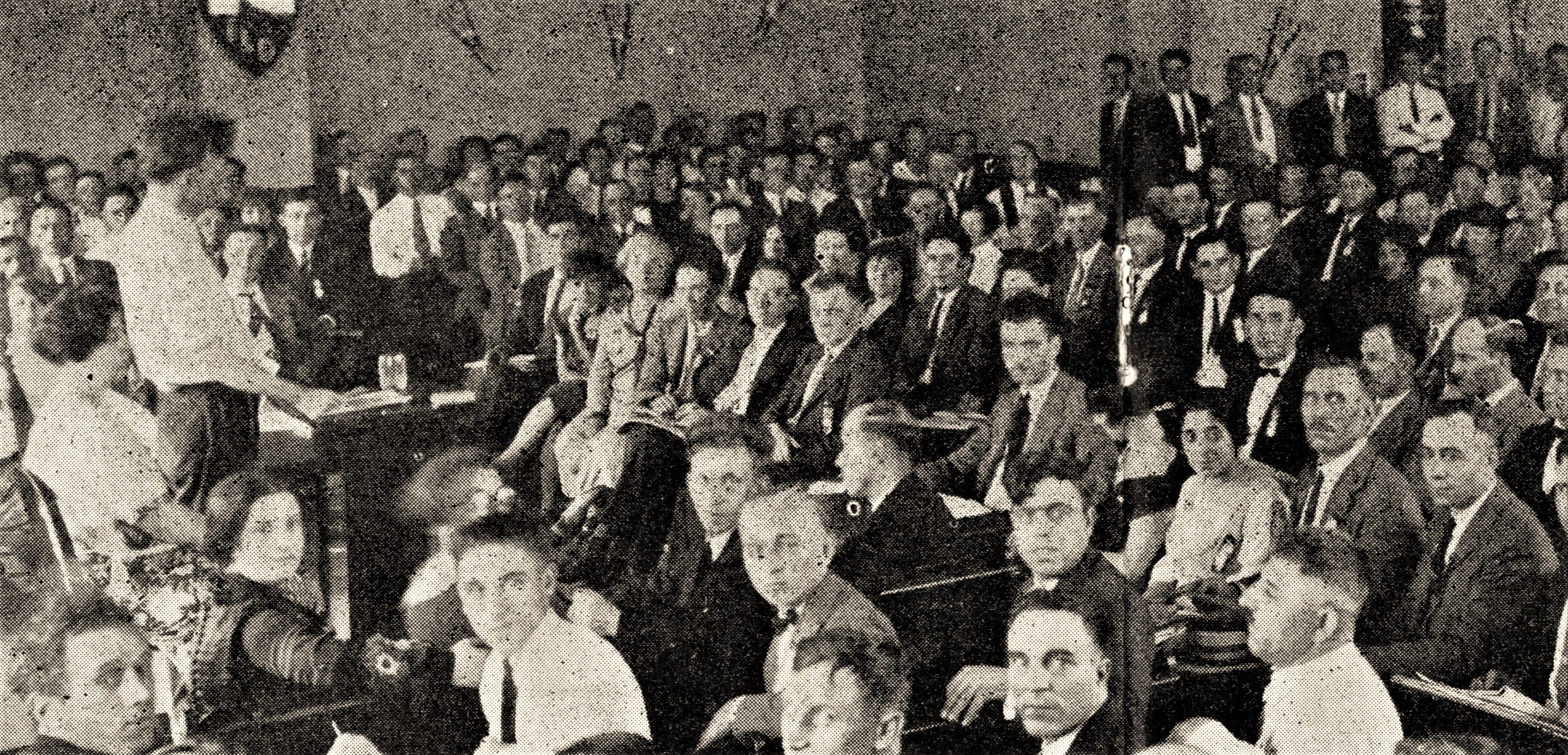
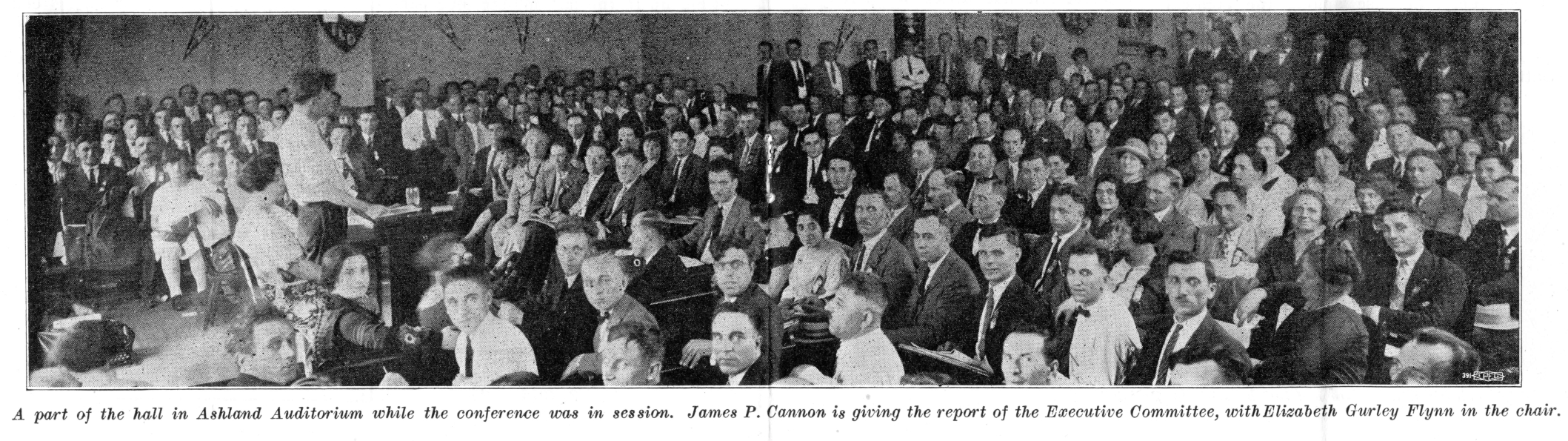
IN many respects the conference we have just held was different from the one we held a year ago, at which we founded International Labor Defense. Last year at the conference there were only a few cities represented outside of Chicago. One delegate from here and there; one from Pittsburgh, and a few from the outlying districts of Illinois. This year there were 248 delegates from 38 cities in all parts of the country — and this speaks volumes for the extent to which the organization has taken root.

Last year the keynote of the conference was to call again to mind the many fellow workers and fighters in the class struggle who had been behind prison walls for many years. We took upon ourselves to make their names better known thruout the labor movement and to dedicate ourselves and our activities and efforts to their liberation. We carried out that pledge to the best of our ability during the year that intervened. And the second conference formulated plans for a big organization drive to strengthen the work for the fight to release all the labor prisoners.
June 28th, last year, represented a turning point in the labor defense movement in America. We met and took stock of the general situation, analyzed the experience of the past and laid out a new path to follow. We made a program for the guidance of our work. The second conference was able to record substantial progress during the past year in the task of unifying on a non-partisan basis the forces for labor defense. We built an organization not on the personal basis of defense for this or that individual or group, but on the class basis of extending aid and defense to all workers who were in need of it.
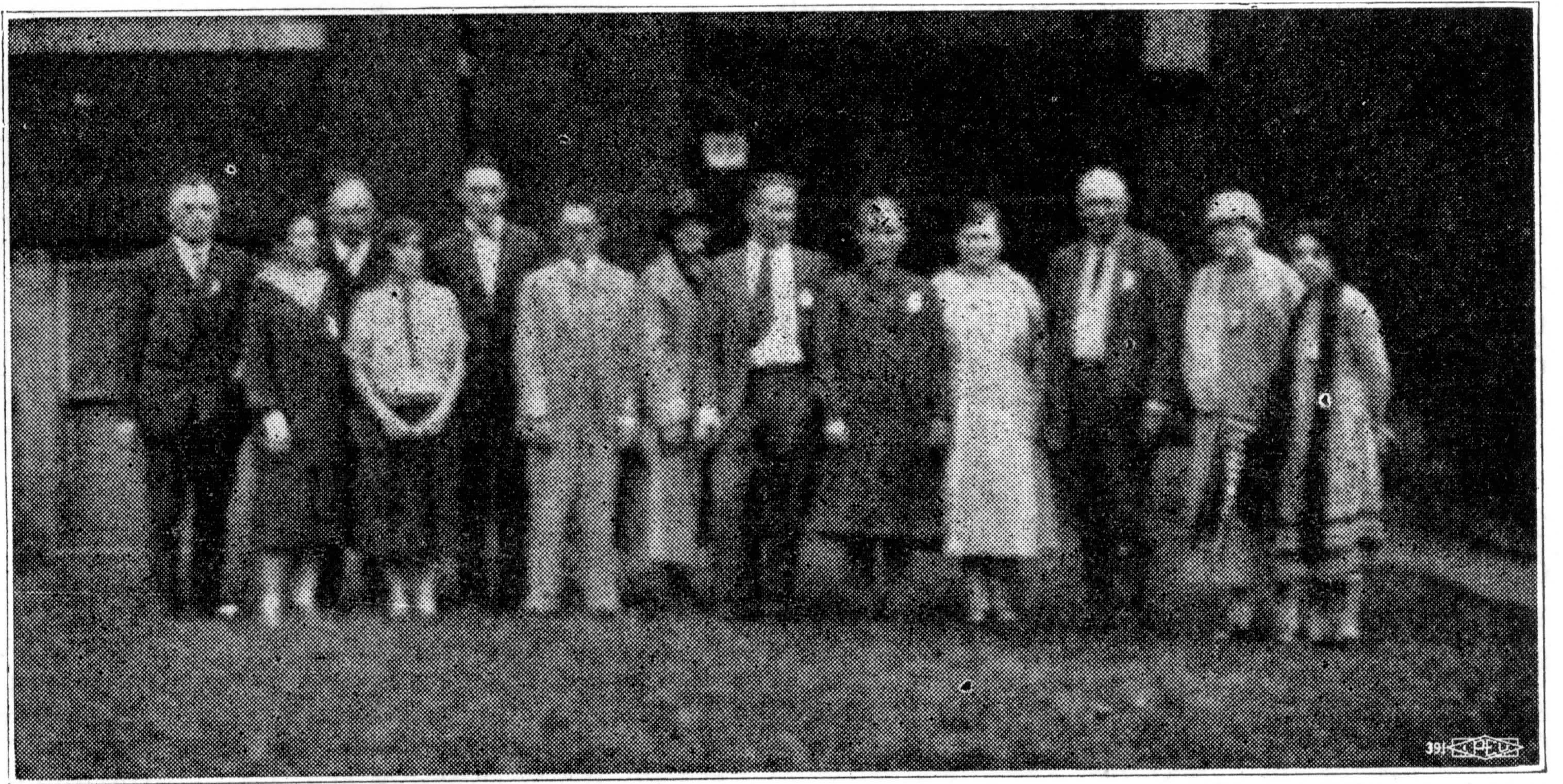
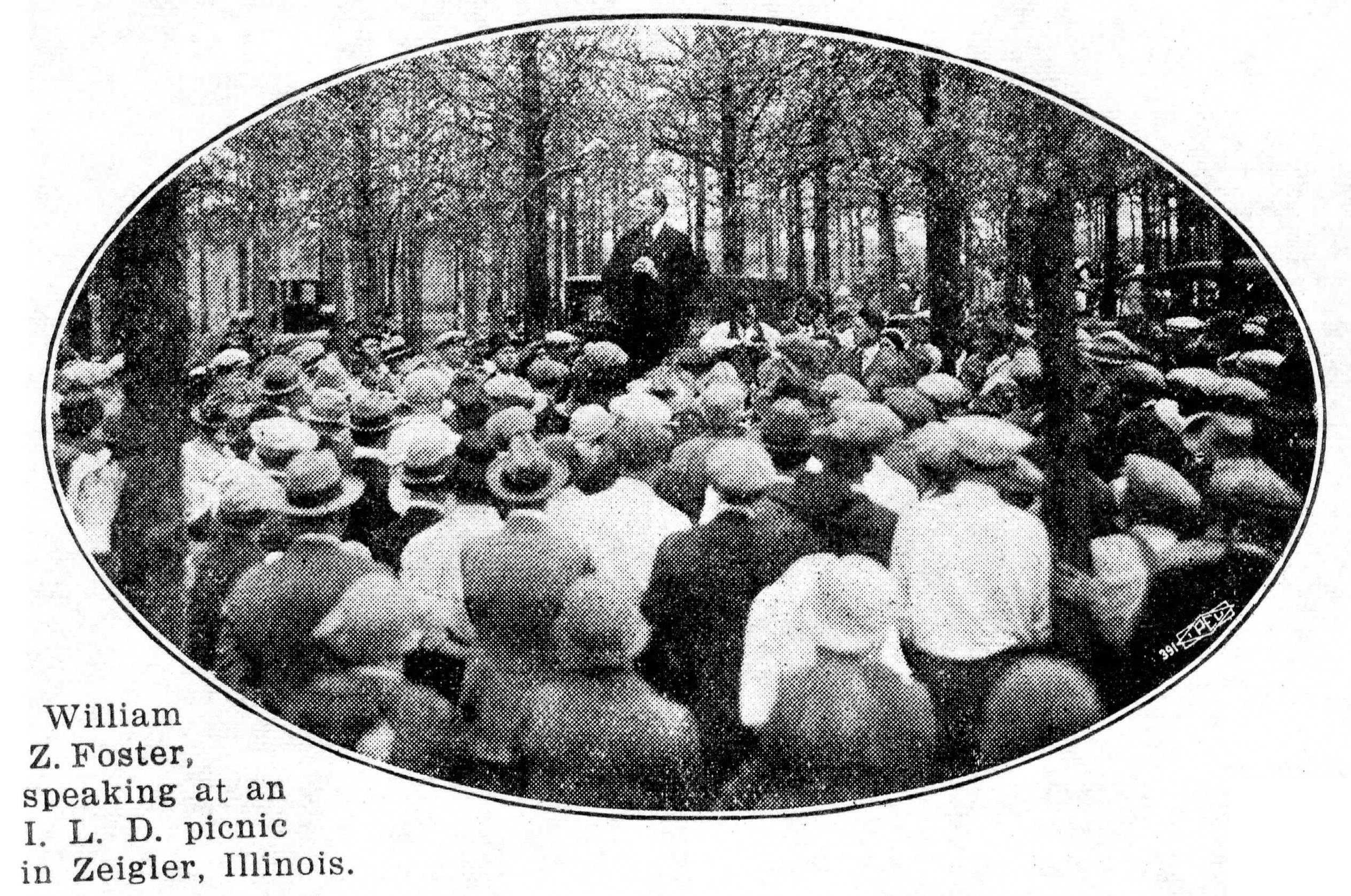
The conference had to record the defense of scores of cases in one year. There were the miners of Zeigler, Illinois, whose defense we are still conducting; the cases of the Pittsburgh Communists held under the Anti-Sedition Act of the state; the three Portuguese anarchist workers in Pall River, Massachusetts; the striking taxi drivers of Boston; the I.W.W. deportees in New York; the Passaic textile workers; the campaign for Sacco and Vanzetti in which the I.L.D. really reached its full stride. Anarchists, Socialists, Communists, I.W.W., members of the A.F. of L. and workers without affiliation have found the hand of I.L.D. ready and able to aid them at all times.
The important work of systematic prison relief was quickly begun and has been maintained ever since; and a long step was taken in the equally important work of systematizing the relief to the dependents of class war prisoners. The valuable publication of the Labor Defender which was enthusiastically received by all active workers, and the maintenance in its pages of the non-partisan spirit of the organization, was the fulfillment of another decision of the first conference.

The Second Conference recorded the growth of the organization from little more than an idea last year to a functioning, active body of some 20,000 individual members and a collective, affiliated membership of 75,000 workers. With 156 branches throughout the country, I.L.D. had developed in one year to be able to play an effective and sometimes a decisive role in the class struggle in connection with labor defense.
It was an open secret that at the first conference the organization had to contend with a certain skepticism, a feeling that I.L.D. did not have a place in the labor movement, or else that it would not be able to fill that place. Those who heard the reports of the delegates at the Second Conference know that this skepticism was overcome by the deeds and acts of the I.L.D., which spoke louder and with more effectiveness than any declarations. A new faith had been generated in many sections of the labor movement and the increased popularity of International Labor Defense was an indication of this. The entry of the organization into the struggle of labor with the intention of giving fraternal aid to those workers captured by the capitalist class, to give it without pursuing any sectional advantage, had built the I.L.D. into an arm of the labor movement.
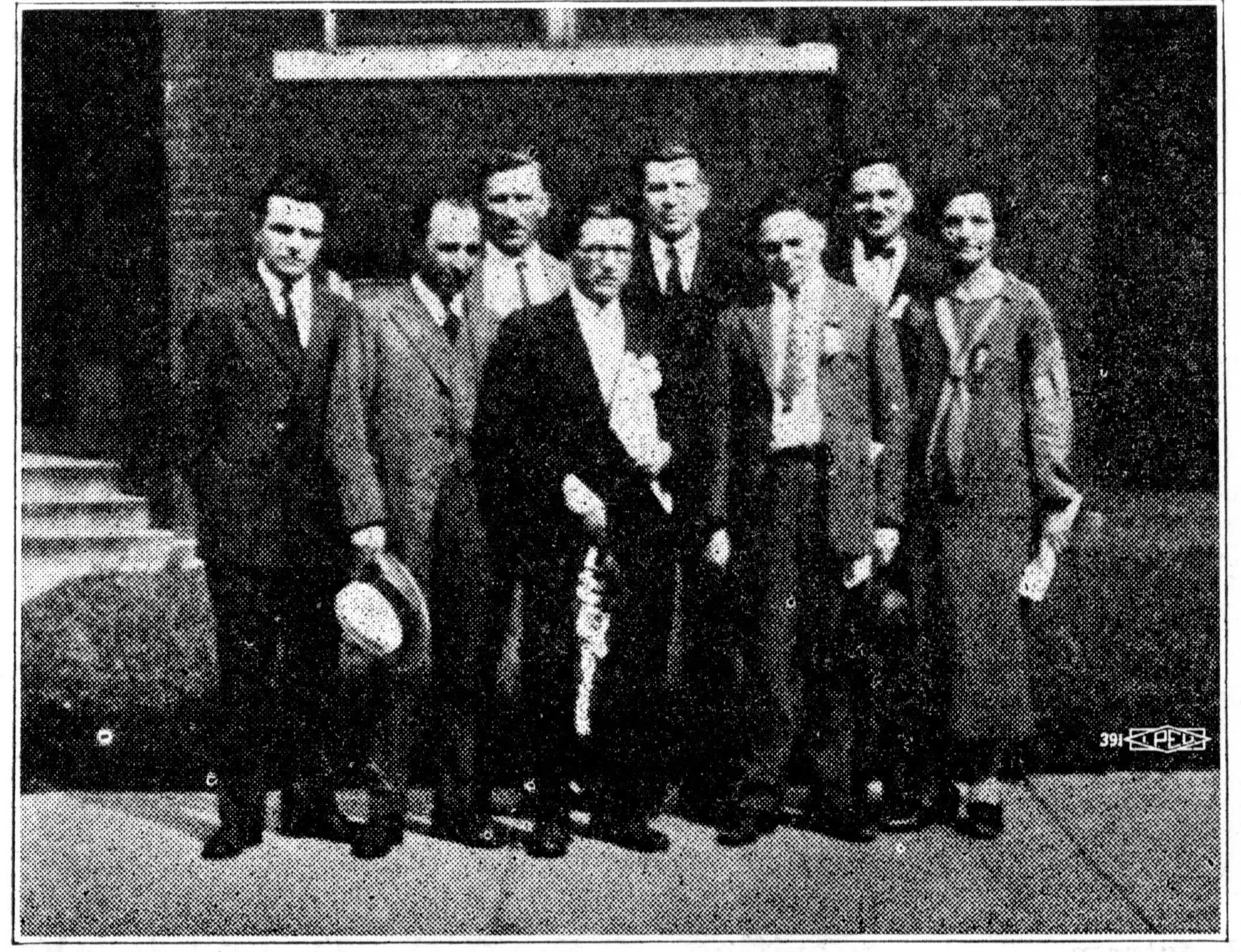
The line of the first year of work was proved correct by the deeds and by the results. For the first time in years there were gathered into one organization workers of all political and economic affiliations and opinions held together by the unifying chain of non-partisan united defense of class war fighters whose freedom was endangered.
The main line of the second conference was a reaffirmation of the decisions of the first conference, with special emphasis on the necessity for organization. The small group which had founded International Labor Defense last year was now a large conference of delegates who had come to review their experiences of months of work and formulate concrete tasks for the future. The spirit and the enthusiasm of the conference was an inspiration for the more intensive work which I.L.D. will conduct in the next year. Animated with this spirit and enthusiasm, the conference adopted as its main slogan that of “Organization!” The whole activity of the conference was organized around this watchword. Especially during the second day of the conference, which was devoted entirely to organizational problems, the delegates discussed to the smallest detail the practical, everyday tasks of their work. Every phase of labor defense activity, from the problem of branch accounts, the organization of united front conferences, to the distribution of literature and the organization of campaigns, was thoroughly gone into and elaborated upon in the discussion.
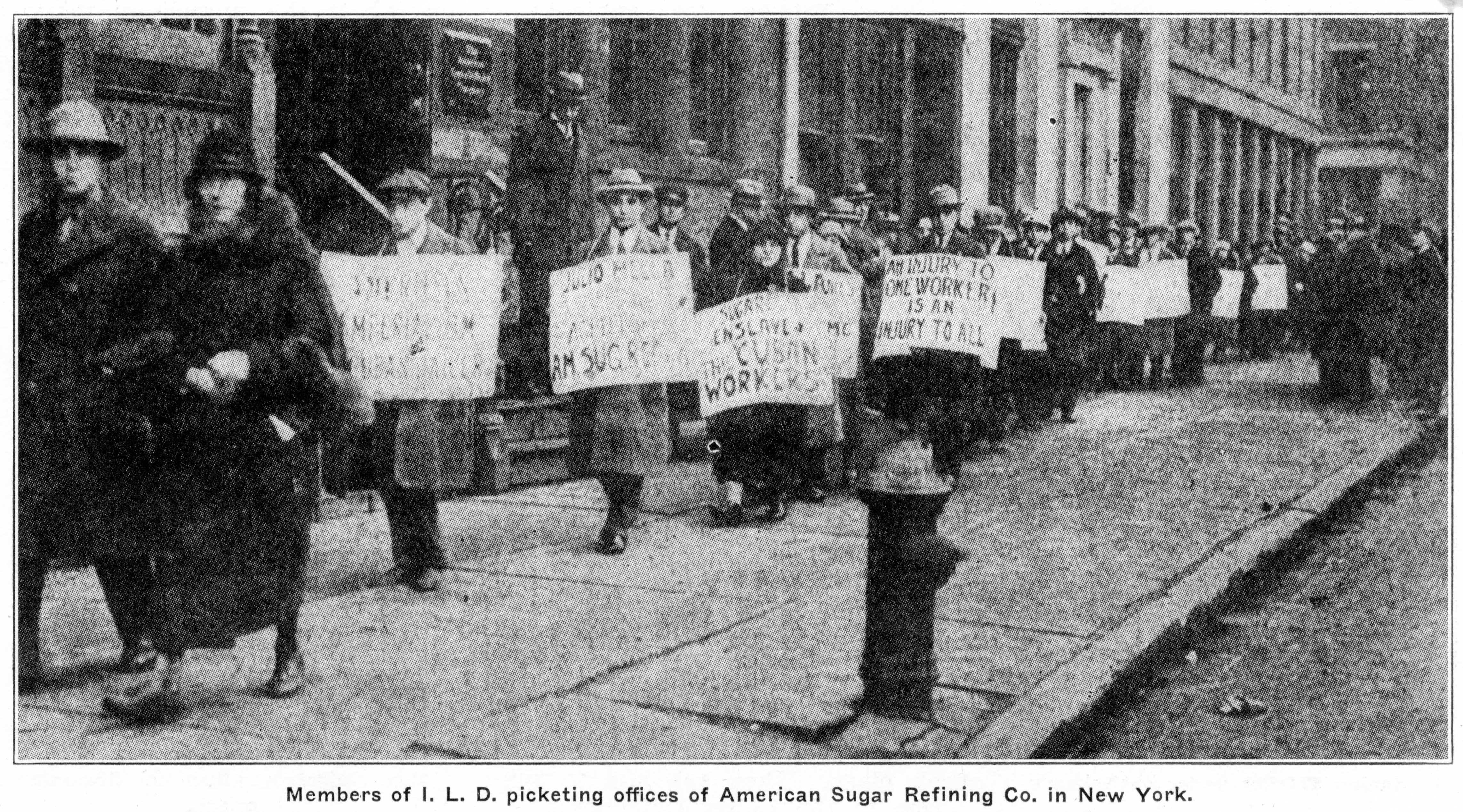
The problem of organization is a very significant one for labor defense as a school for the class struggle. We must not get the idea that we are merely “defense workers” collecting money for lawyers. That is only a part of what we are doing. We are organizing workers on issues which are directly related to the class struggle. The workers who take part in the work of the I.L.D. are drawn, step by step, into the mainstream of the class struggle. The workers participating begin to learn the A.B C. of the labor struggle.
There are big struggles ahead for us. The conference considered especially the question of the approaching sessions of the supreme court. In the October term of the supreme court, the criminal syndicalist laws of three states are coming up for review on the appeal of Ruthenberg in Michigan, Anita Whitney in California, and Fiske, the I.W.W., in the state of Kansas. In the event of an unfavorable decision, the I.L.D. should be in a position to see to it that there is no such thing as Ruthenberg, Anita Whitney and Fiske just quietly saying “Good bye” and going to the penitentiary, and then sitting there year after year, being forgotten by the labor movement. The I.L.D. must be prepared to make this occasion, if it comes, the starting point of a real campaign of agitation which will reach the proportions of the old Mooney case and the Haywood case. This task can be accomplished only with the aid of a real organization.
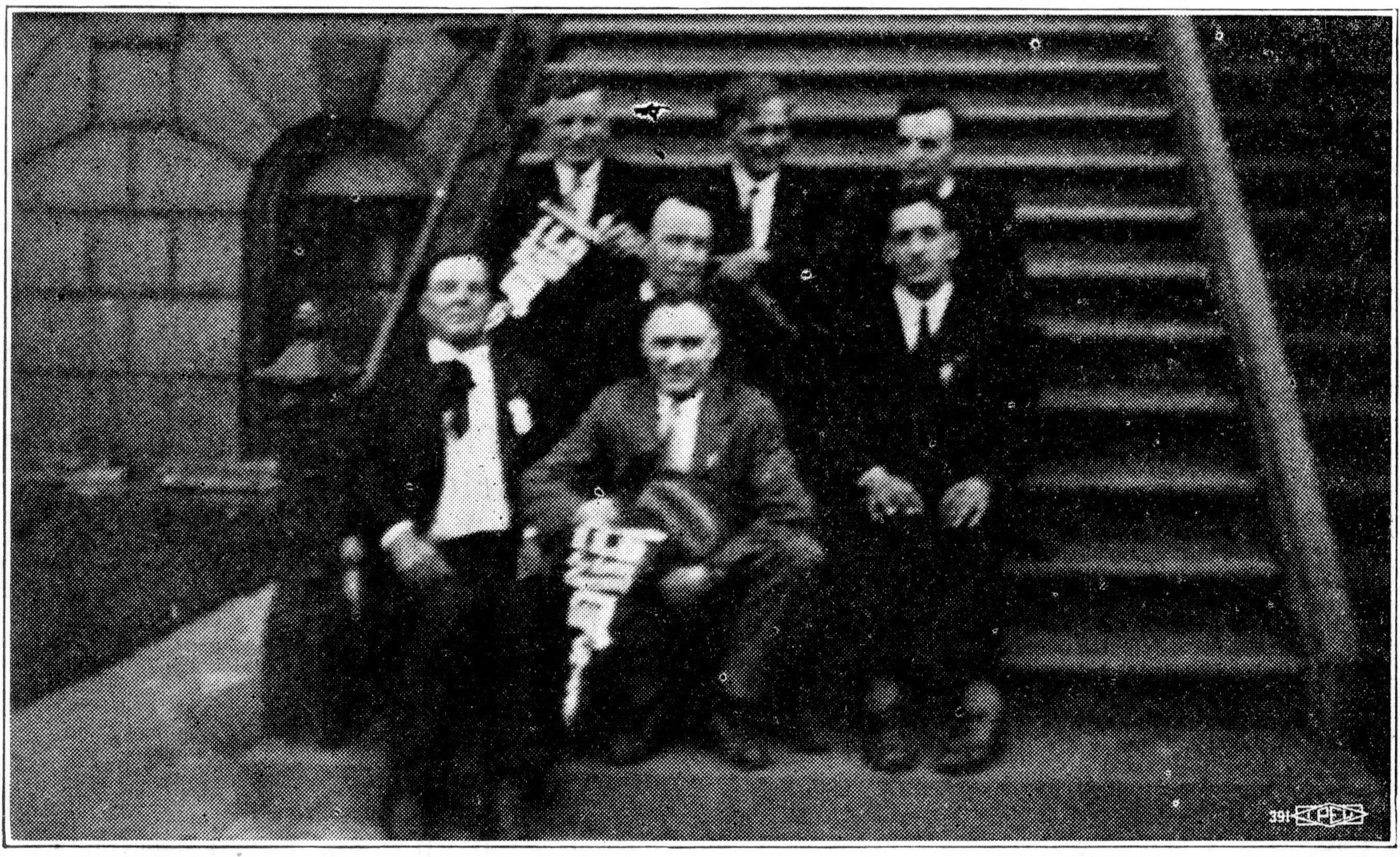
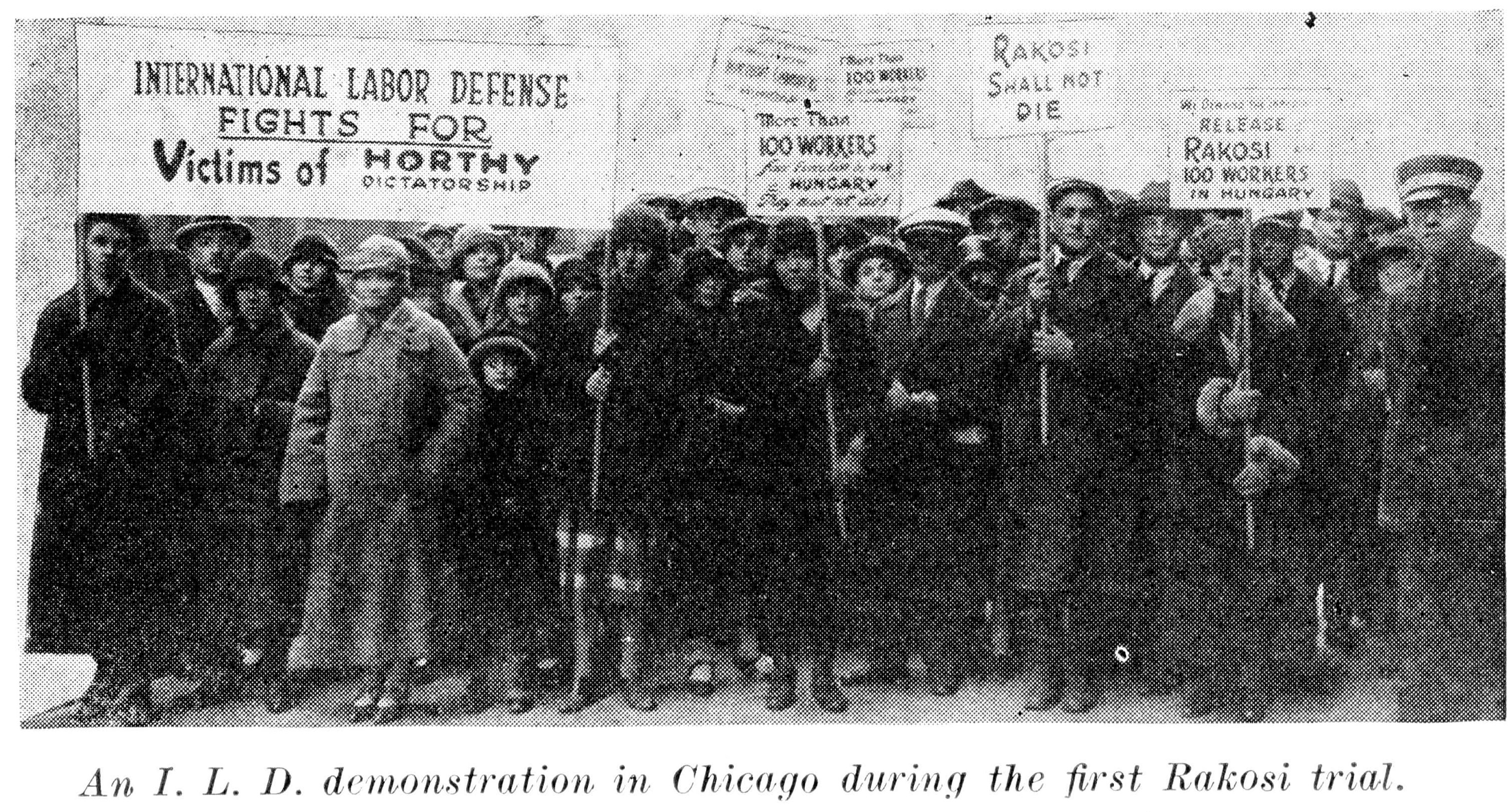
The conference had material progress to record in the maintenance of the international obligations of the I.L.D. which were pledged at the first conference. The campaign we conducted for Rakosi in Hungary, for the Polish and Lithuanian workers were amply compensated for by the generous help given us by the workers in Europe and Latin-America through the co-operation of the International Red Aid in our campaign here for Sacco and Vanzetti. In this reciprocal work the principle of internationalism was taught by deeds which are profound and lasting.
The second annual conference of International Labor Defense will be remembered as the beginning of a real knitting together of defense forces into a mighty organization. The coming year of its activity must be devoted to the forging of an invincible shield of the working class. The spirit and enthusiasm of the members of I.L.D. which has built the organization in the past year will translate into living reality the slogan of “Organization!” raised at the second conference. Fifty thousand individual members and a quarter of a million collective membership was the goal set by the conference and the spirit of devotion and sacrifice of the I.L.D. will in the coming year give body and form to this aim.
‘The Spirit of the I.L.D. in Conference’ by Fred Mann.

TWO hundred and forty-eight delegates from thirty-five cities in America made up the personnel of the second annual conference of the I.L.D.
It is indeed something unusual to see such a gathering of workers. Trade unionists, anarchists, I.W.W., Communists and some having no union connection, representing some friendly club or society, left all their isms, philosophies and arguments at home and for once met on a common ground.
They concerned themselves with the concern of all workers when they are in the clutches of capitalist persecution. In clear and unmistakable language the delegates have proved that they are for a defense organization that does not discriminate against particular labor connections. They held, as the previous convention did, that any worker fighting the cause of labor deserves the entire support of the working class in that fight. This spirit could be best emphasized by remarks of some of the delegates.

“It is not only the leaders and well-known fighters that are being defended by the I.L.D., but the obscure unknown worker, most likely belonging to some organization too reactionary, or no organization, that now feels secure that his case will be taken care of just as promptly and efficiently as that of a well-known fighter,” remarked Elizabeth Gurley Flynn.
Comrade Katie White, representing the American Negro Labor Congress, stated with reference to this, “We, as workers, should be so closely allied that one’s troubles should be the concern of all.”
Canton, Ohio, sent two delegates, one of them being totally blind. Comrade Stiller, although blind, has a farther vision than most workers, and indeed, this should be a lesson to the rest of us. Speaking on the future of the I.L.D., he said, “The future should be constant activity. Do things and then celebrate the victory.”
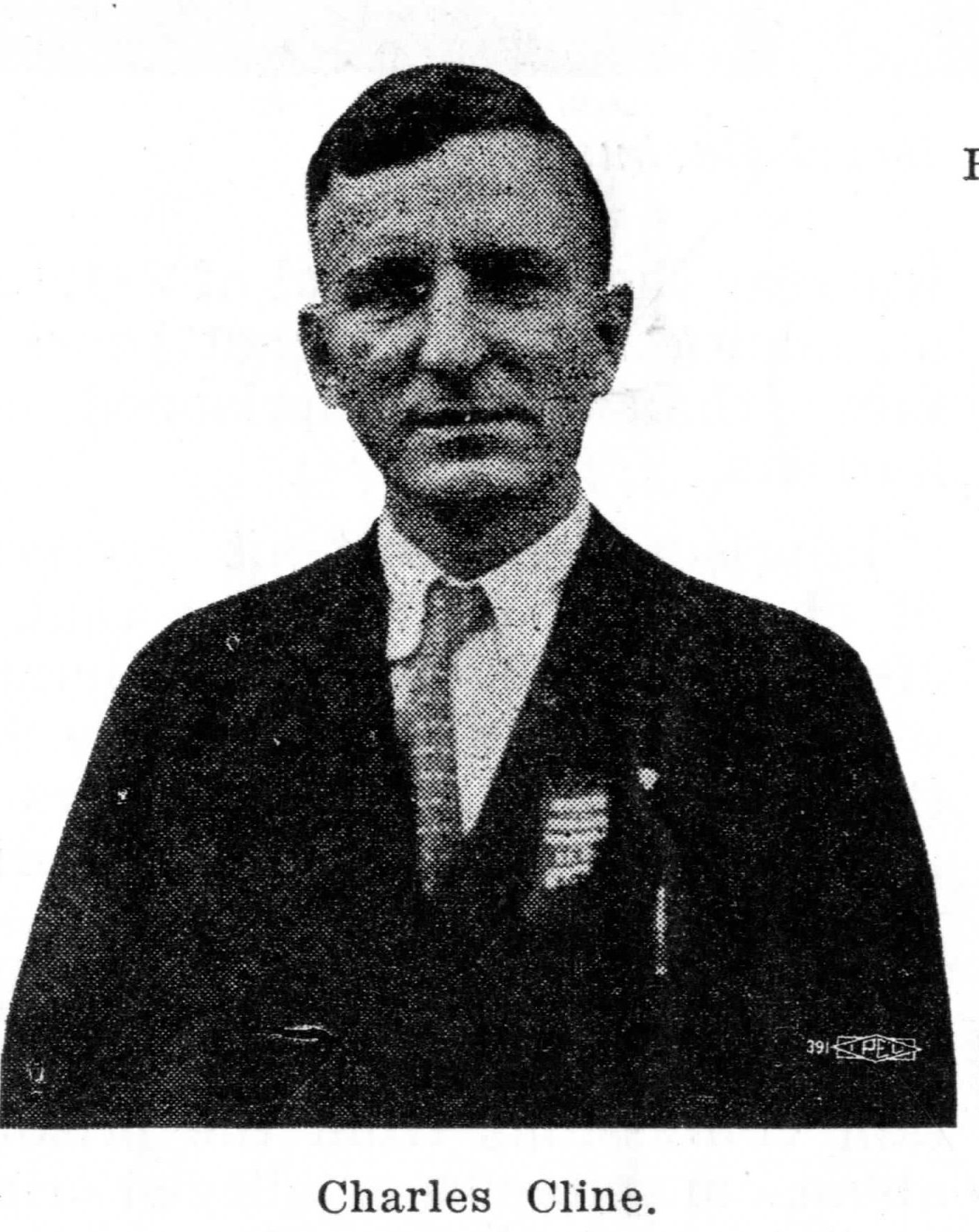
Charles Cline, after spending thirteen years in one of the rottenest prisons in America, addressed the conference with such optimism, warmth and enthusiasm that made every one rise to his feet cheering him for his unbroken spirit and his ever-sincere devotion to the class struggle and to those like himself that are now in the bastilles of American imperialism. “The I L.D. is exactly the organization that is needed to cope with conditions as they are today,” remarked fellow-worker Cline. In discussing prison life he appealed to the delegates to take a greater interest in prisoners on the inside. “Do you know what it means to receive a letter while you are doing time? More than I can tell you. A cheery note only reinforces the fellow worker’s spirit and makes him feel that you are on the job.”
All through the convention the keynote speech of Comrade Cannon was reflected. “In a crusader-like spirit we must build the I.L.D. Sacco and Vanzetti, the Centralia, and California I.W.W. boys and all others must receive support. A real campaign to reach the proportions of the Mooney or Haywood cases, and greater if necessary in order to get favorable results on these cases.” That was indeed the high spot in Comrade Cannon’s speech.
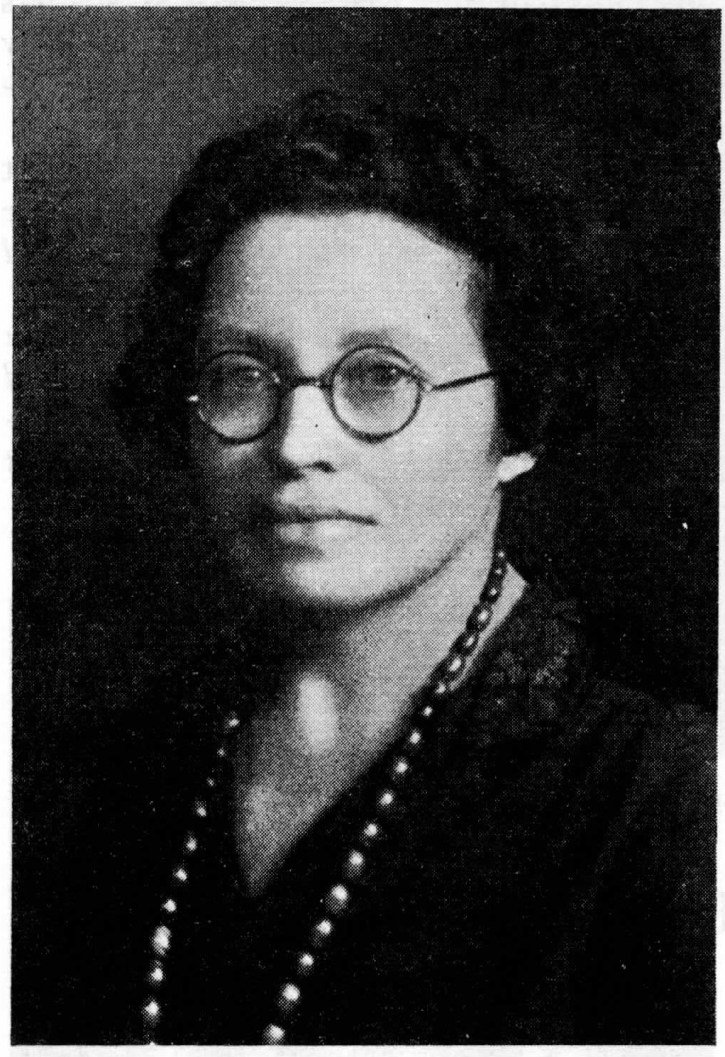
Rose Baron of New York City reported that the “city of New York is just beginning to show what it can do. In the last Sacco-Vanzetti conference a good majority of the A.F. of L. Unions sent delegates, as well as the I.W.W., and other independent labor groups.”
Comrade Weisbord presented a resolution “that the I.L.D. assume the function of a rear guard organization during strikes,” as one of the speakers referred to the proposal. That resolution carried unanimously. All the way, from beginning to end, unity and understanding prevailed and each delegate left the convention with the motto that the membership must be doubled, greater activity must ‘be stimulated and that the I.L.D. will grow to the bounds that it will be able to look after every defense need of the working class.
Comrade Weisbord stated: “Let us make every defensive move an offensive against the bosses. The I.L.D. grows. It will become a powerful instrument of offense against the master class instead of only an instrument of defense on the part of the working class.”
PDF of full issue: https://www.marxists.org/history/usa/pubs/labordefender/1926/v01n10-oct-1926-ORIG-LD.pdf
 Revolution's Newsstand