
A fantastic article from the wobbly actor Ben Legere on the 1919 Steel Strike, one of the most consequential in U.S. history, for the new Communist Labor Party’s ‘Voice of Labor’ publication. Legere himself was a key leader in that pivotal year’s Actors’ Strike.
‘The Strike of the Steel Trust Serfs’ by Ben Legere from Voice of Labor. Vol. 1 No. 4. October 1, 1919.
THE pall of smoke that hangs over Pittsburg is lifting.
It is clearing away before the strong wind of rebellion that is blowing through the Steel mills of America.
The great strike of Steel workers, long hoped-for by Labor, bitterly blocked at even-stage of development by Capital, and awaited with something almost akin to awe by all the people, has begun.
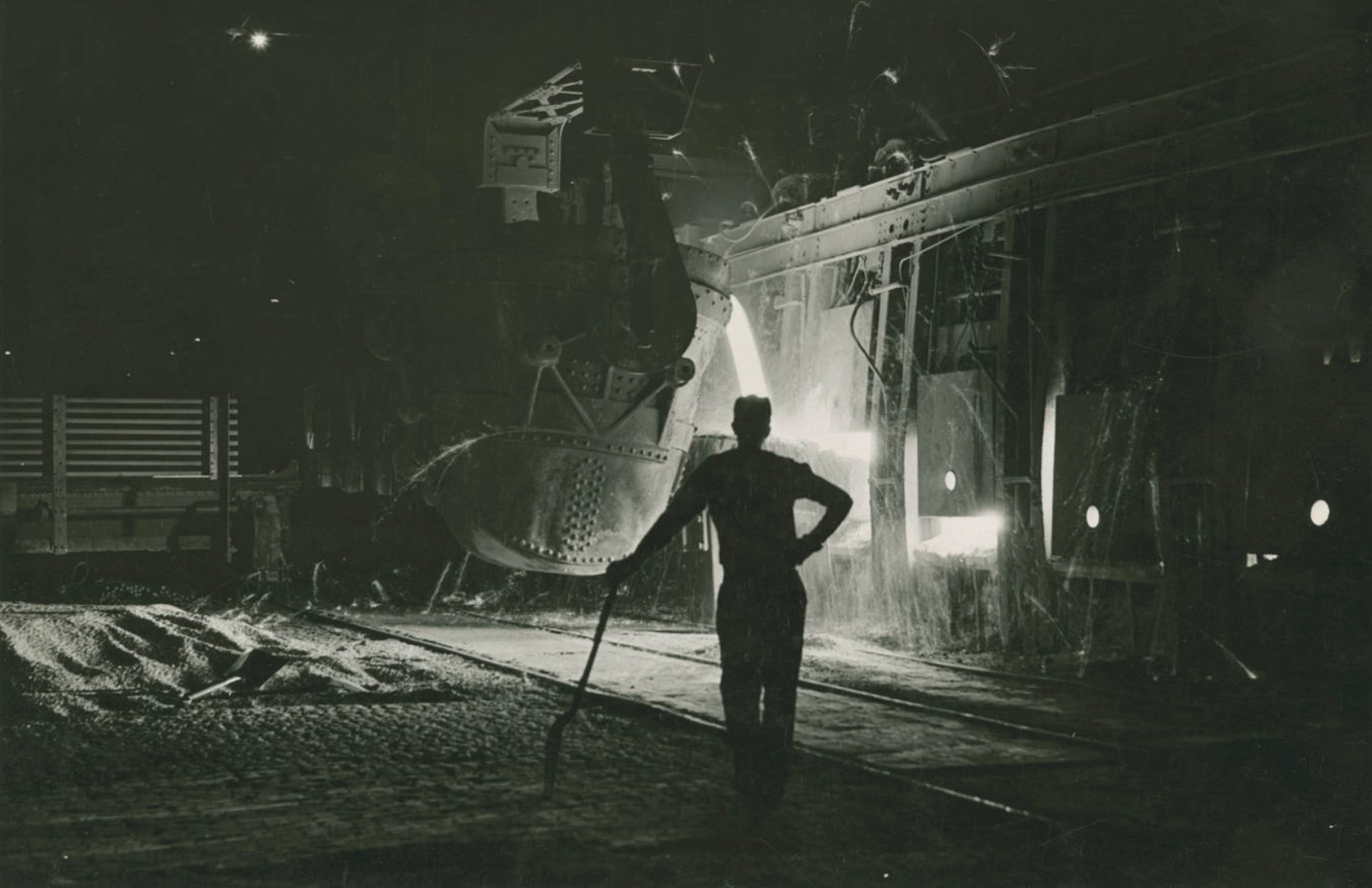
In most, of the important centers of the Steel industry the walk-out of workers on September 22nd was so complete that production is at a standstill.
In the Pittsburg district, while some plants are still running with crippled complements of workers, most of the thousands of smoke-stacks that fill the air above the Alleghany and Monongahela valleys with smoke and fumes are smokeless and silent now.
The thundering hammers and wheels of industry which ordinarily reverberate through twenty towns strung along these rivers, comprising what is known as the “Workshop of the World,” are strangely still.
Hell With the Lid Off
In every direction as one goes out of Pittsburg, one sees forests of black smoke-stacks lining the banks of those rivers.
At night the flaming blast furnaces, flinging showers of sparks into the air, the great screaming and crashing and roaring of all the mighty mechanism of the mills, looked down upon from the hills above, make vivid the impression of the “Inferno,” that this place has truly come, to be for those who labor in it.

Back of this Pittsburg picture is undoubtedly the concentrated achievement of the best organizing brains that modern capitalist controlled industry has developed.
Back of it also is the most damning indictment of the final failure of those industrial overlords; for all this achievement rests upon the most ruthless exploitation and slavery to be found in the modern world.
The United States Steel Corporation is a colossal enterprise. It is the biggest single manufacturing organism in the world. It has organized and linked together in a great producing mechanism, the activities of a hundred and fifty steel plants, scattered across this country from coast to coast.
It turns over many millions in profits each year to the capitalists who control it, and these profits are wrung out of the grinding toil of nearly three hundred thousand driven slaves who labor in these mills.
Mass Murder
And now the revolt of these serfs bids fair to become the bloodiest chapter in the history of the American Labor Movement.
True to its tradition of violent suppression of every effort of the workers to win for themselves a higher standard of life, the answer of the Steel Trust to the solidarity of the strike is being given by the guns and clubs of its Cossacks.
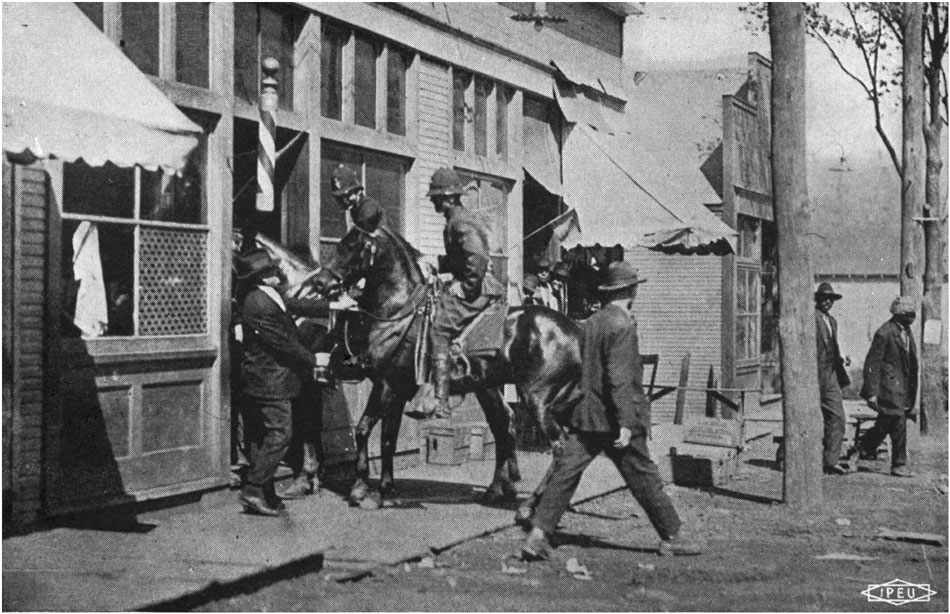
For five days I have watched the war that is raging now in Western Pennsylvania come quickly out of the peaceful beginnings.
Starting with raids upon peaceful meetings by the mounted State Constabulary, in three days a campaign of bloodshed has been launched that threatens soon to amount to mass-murder.
The capitalist press has heralded each successive raid as a riot, but the unhappy truth is that the Steel mill slaves are not fighting back.
They have been harried, clubbed, trampled and shot clown wantonly by the Cossacks, dragged to jail and deprived of every human right.
The truth is that the Steel Trust owns the bodies and souls of every public official of this so-called Commonwealth. A Steel Trust Sheriff issued a Proclamation which is an open provocation of violence before the strike began. He mobilized an army of gunmen and swore them in as deputies with the determination to drive the workers back into the mills.
The result is a reign of terror in the Pittsburg district that has already inspired outbreaks of Cossack outrages against the defenseless strikers, in Buffalo and Hammond, Indiana.
Destroying Men to Make Steel
It is hard work, the making of Steel. Despite the marvelous mechanical processes to perfect its production in vast quantities, the fundamental force that still counts most in the making of Steel is the brawn and blood of the broad masses of so-called unskilled workers, who sweat and suffer in the smelters and rolling mills and around the blast furnaces.
Except the men who go down in the pits to mine coal and ore, I know of no type of workers more deserving of the richest rewards society can give them for the service they render, than the Steel workers.
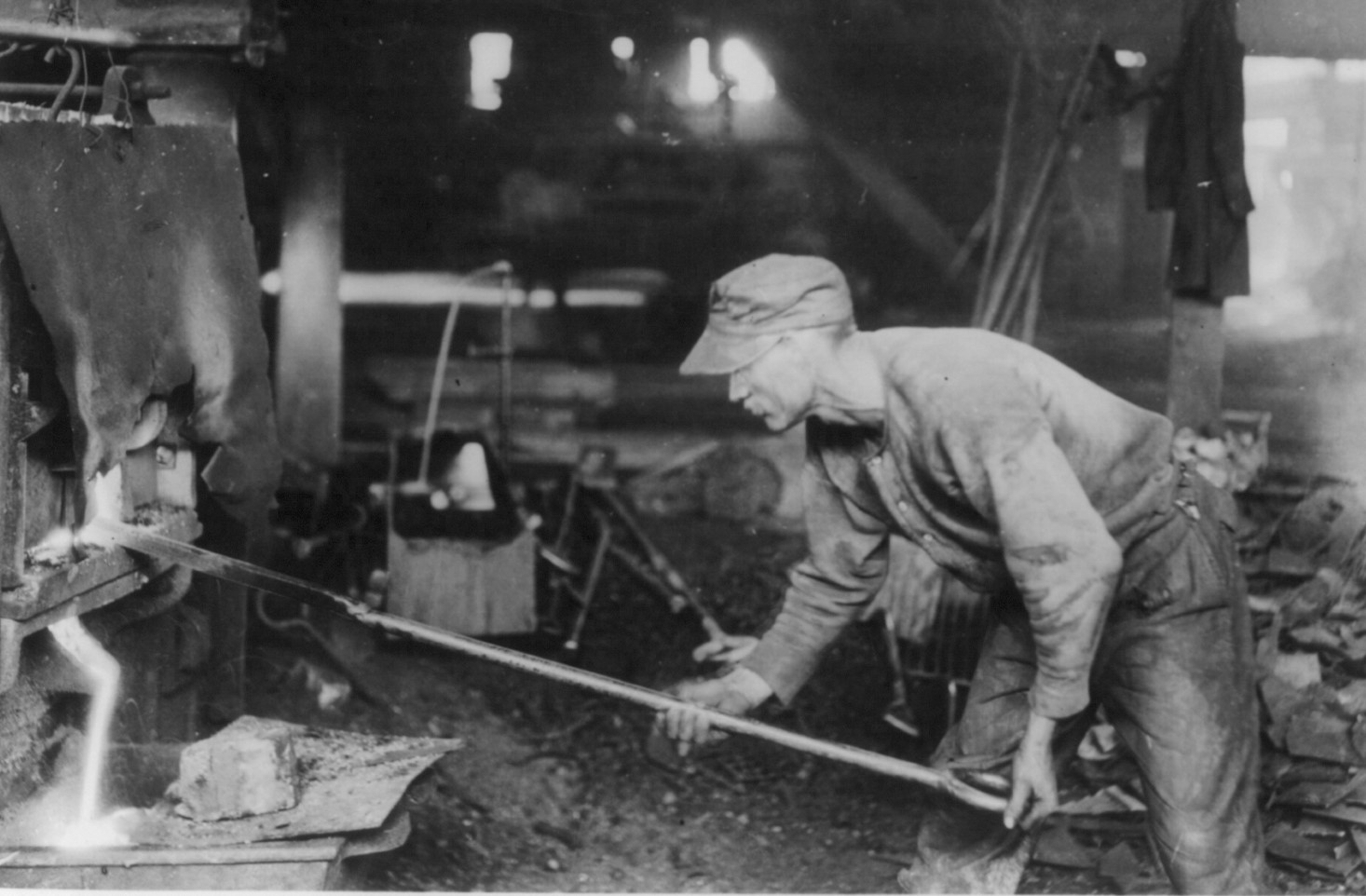
But one has only to look at them and see the conditions under which they are living, to realize what a vicious system of serfdom the overlords of the Steel industry have devised, the system that produces the profits from which the philanthropies of Carnegie come, and out of which are built the palaces and prestige of the Schwabs and Fricks and Coreys and Garys, and all the big and little barons who rule the great industrial empire dominated by Steel.
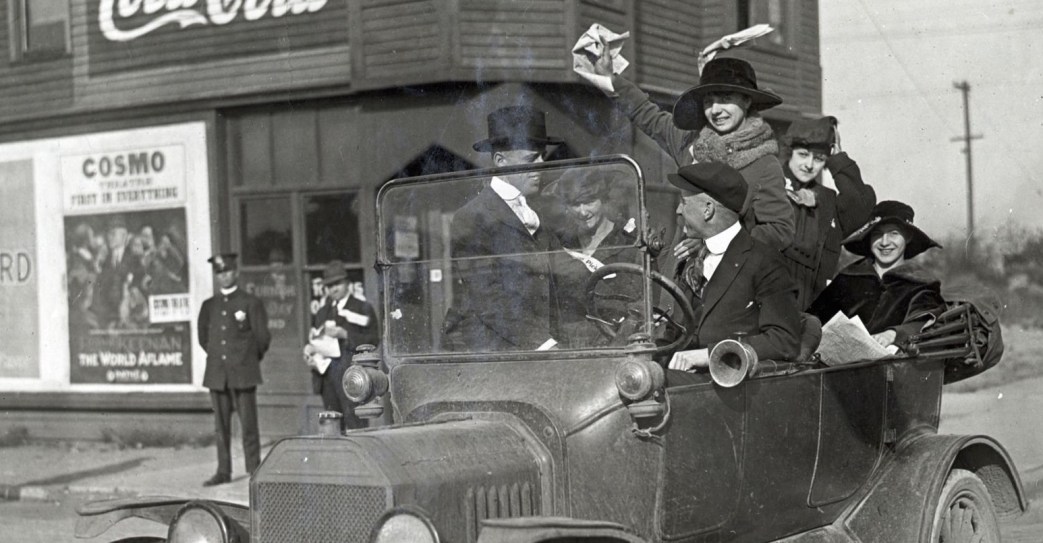
Last Sunday, the day before the strike began, there was a parade of 30,000 Polish people in Pittsburg. They had been gathered together to celebrate the “freedom of Poland,” and to give thanks to America for the part it played in giving them that “freedom.”
The men in this parade were typical Steel workers. A large section of them were in the uniform of the American Expeditionary Forces. But the ones who were not in uniform showed more marks of battle than the soldiers. Their faces were scarred and seamed and their strength was not that clean healthy power that the well-groomed- athlete exhibits. It was the strength of a rugged peasantry which has been drawn upon day after day to perform excessive tasks, until all the beauty of it has been drained away, and only the grim framework, gnarled and twisted, but still strong, remains.
That the Steel worker is not transmitting this strength to the future generations is readily seen by studying the children of these workers. Their strength goes into the Steel, so there is none left for the future. In fact; most of the men who work in this industry are thrown upon the scrap heap like so much old iron long before their normal life is run.
The Skilled Men Didn’t Strike
The Steel Trust press tries to arouse feeling against the strikers, and line up the returned soldiers against them, by arguing that while they were overseas fighting these Steel workers were drawing big pay at home.
It is true that some workers in the mills draw very big wages. There are certain highly skilled occupations, followed generally by American workers, that enable them to own comfortable homes back on the hillsides and live on wholesome food and have a fair amount of leisure. But these workers are very few in the mills and they are not striking. They are “loyal” to their benevolent bosses, and are trying hard to keep some of the fires burning and some pretense of activity in the mills.
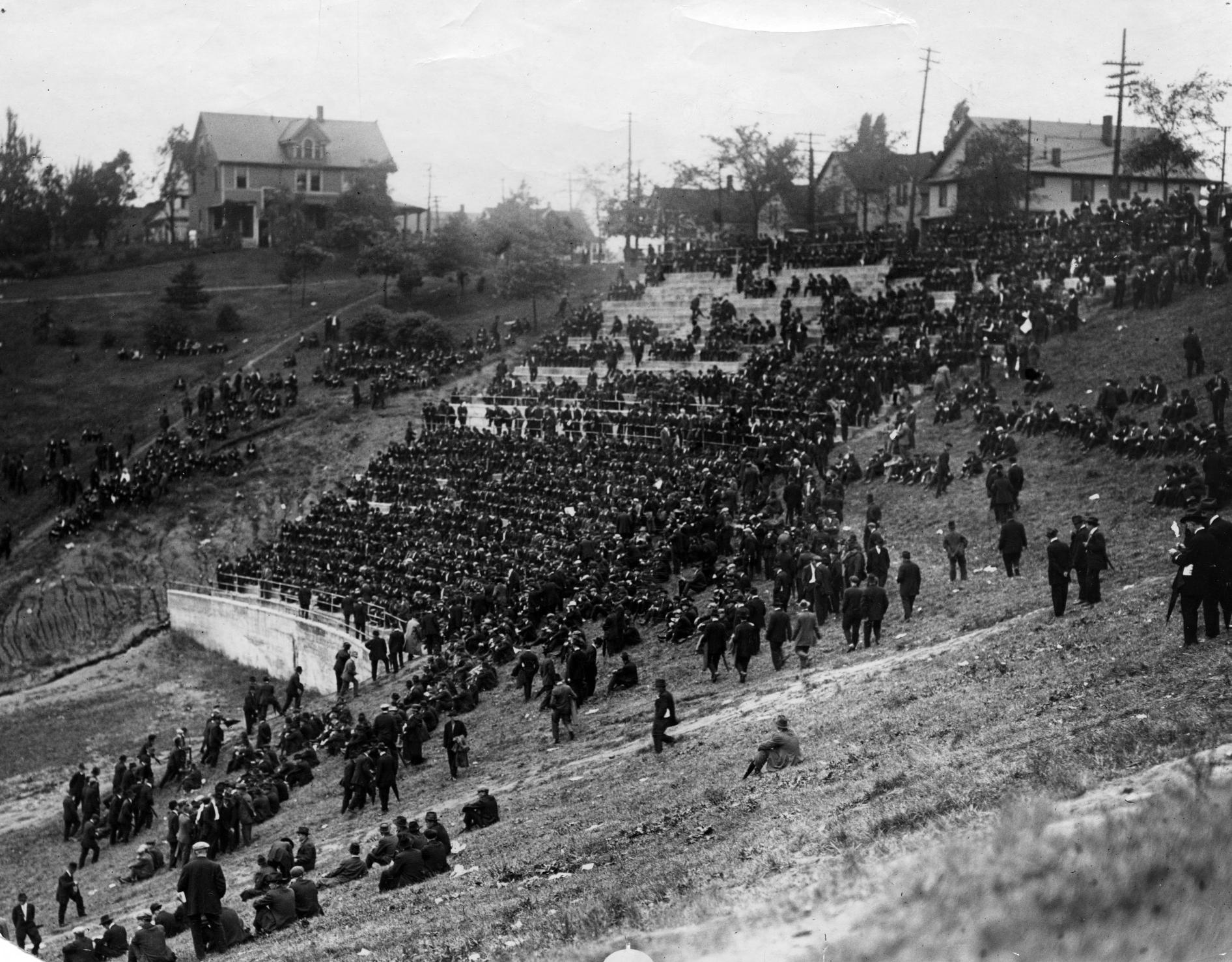
They have long been pampered by the Steel’ Trust and used as a bulwark against Unionism. They have been given a few shares of stock in the corporation, so that of its nearly 300,000 employees there are 60,000 who own stock in the enterprise. Naturally they will not strike, but unfortunately for the Steel magnates they are not the important part of its force.
The indispensable part is composed of those broad masses of formerly vigorous foreigners who were imported here by the Steel barons to do the heavy work, and whose wages remain so low that they live in miserable hovels clustered close about the big plants, and bring up their children in the grime and smoke and hardness of the iron with which they work all day, although the clean green hills are bu.t half a mile away and all the open country lies beyond.
The City of Dreadful Day
A good example of it all can be seen in McKeesport. There is located the plant of the National Tube Company, the largest plant of its kind in the world. I thought I would find McKeesport a clean, progressive, prosperous-looking city, since it contains not only the National Tube but several other thriving plants, the total value of its industrial properties probably exceeding that of any city of its population in the country.
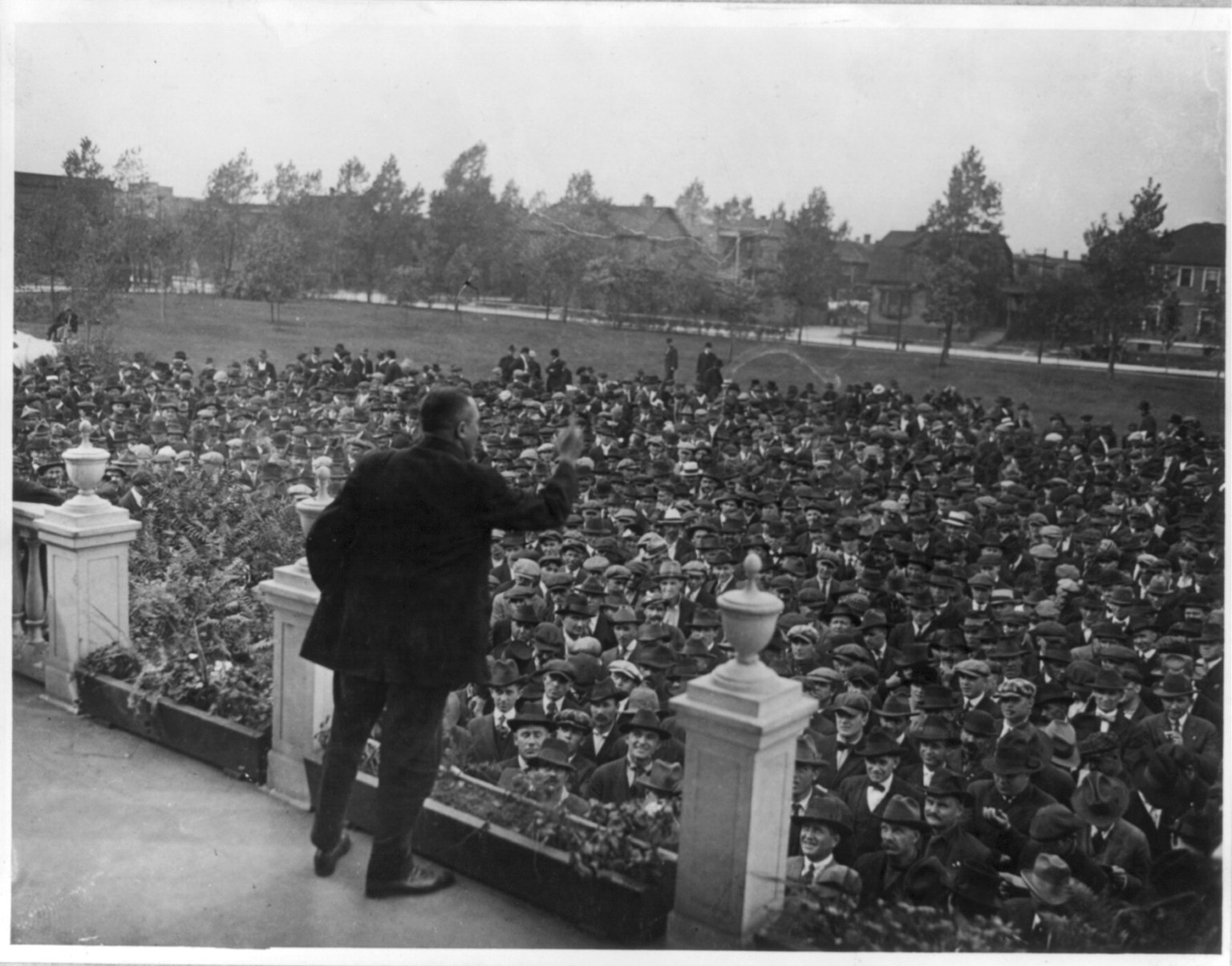
Instead it is a veritable hell-hole. It is one of the dirtiest cities I have ever seen, presenting a more poverty-stricken appearance than the worst towns in the negro sections of the South. The spectacle presented by the section round the mills is one of indescribable squalor. And McKeesport is one of the Steel Trust’s banner towns, because there they have kept down agitation and organization with an iron hand.
In McKeesport they have a Mayor who serves the interests of the industrial overlords more brazenly than did ever a feudal overseer. He is backed up by the little business people and “native Americans” generally in the flagrant violation of every principle that America is supposed to stand for. The Mayor has armed three thousand of these “citizens” to make sure that the rebellious slaves do not “tie-up” the Tube City.
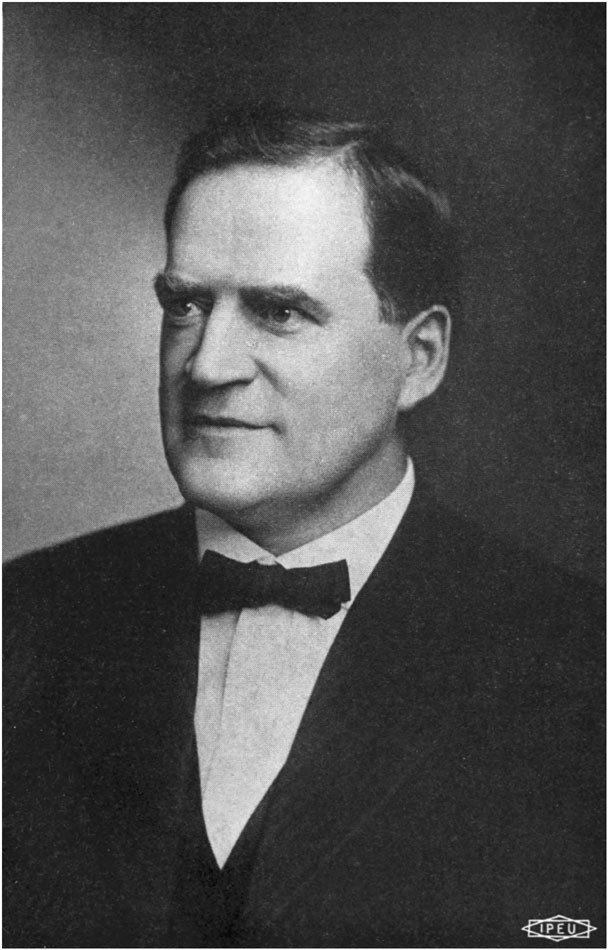
All meetings are prohibited, and no one who looks like a foreigner is allowed to stand upon the streets of the sacred and slovenly city.
I went there to see whether a meeting at which “Mother” Jones was announced to speak would be permitted. The meeting was to be held in an open lot outside the city limits, where State Constabulary had wantonly charged into a crowd the day before and dispersed it. A downpour of rain prevented the meeting, but when J.L. Beaghan and John Patterson, two of the strike organizers, started down the street to tell those waiting in the rain that there would be no meeting, they were promptly arrested and fined $100 and costs in the Mayor’s court.
Of all the Steel Trust towns McKeesport is the only one where the National Committee for Organizing the Iron and Steel Workers has been unable to hold meetings. Even in Homestead, where no labor meeting had been held since the massacre of workers i» the great strike against the Carnegie mills there twenty-seven years ago, the Committee succeeded after persistent effort in holding meetings and building up an organization, with the result that today Homestead is “tied up” by ten thousand workers out on strike.
The General Staff of the Strike The National Committee for Organizing the Iron and Steel Workers is the Union instrument through which this great strike has been brought about.
It is the brain-child chiefly of William Z. Foster, who as secretary of the Committee is directing the strike here. I knew of Foster as a “syndicalist,” and advocate of revolutionary industrial Unionism, which he held would come through the American Federation of Labor, and I expected to find that he had been subtly building a revolutionary organization under the guise of the A. F. of L.
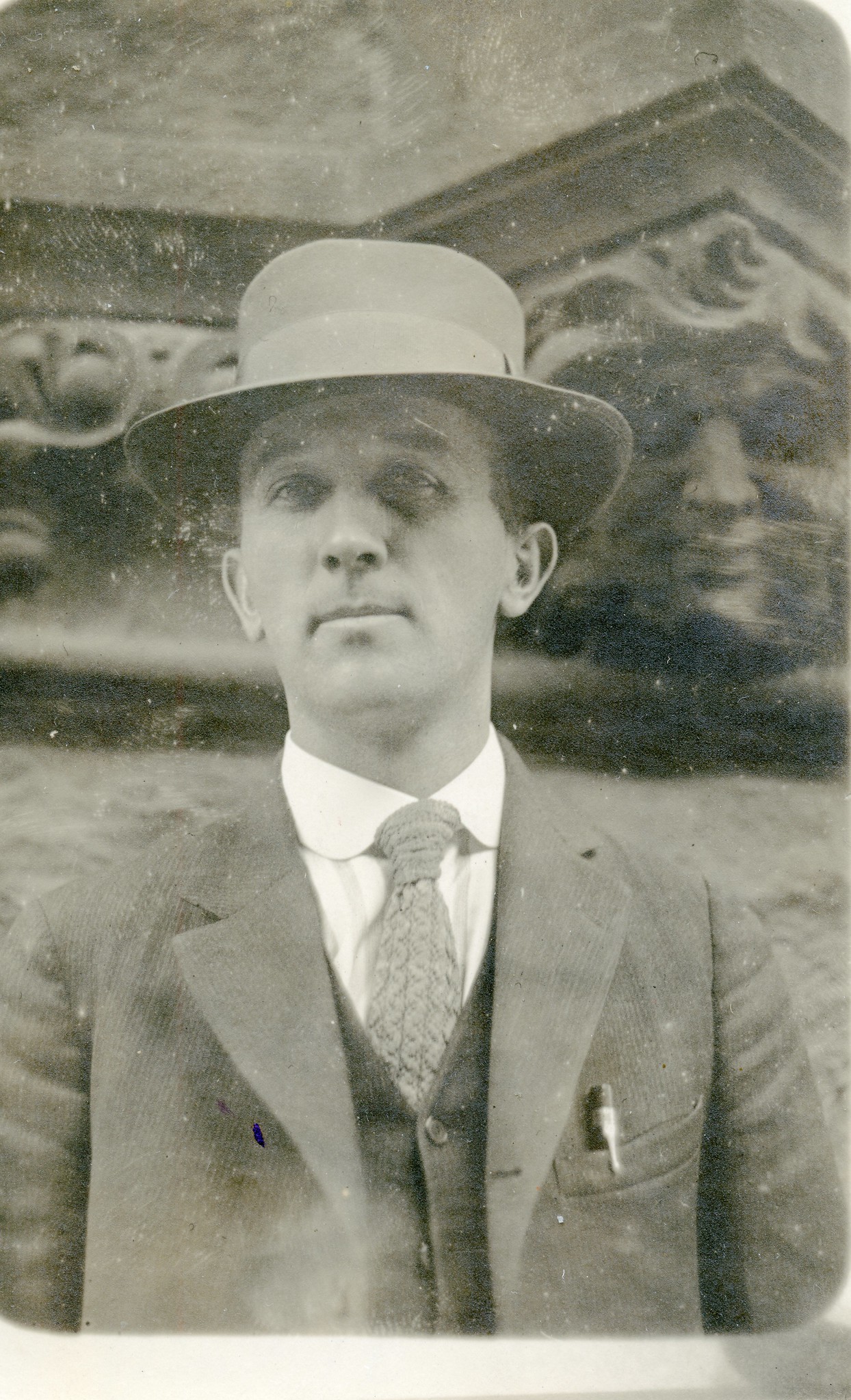
Instead, however, I find that all he has attempted to do is to “put the ‘Federation’ in the A. F. of L.” Anyone who has studied the structure of the A. F. of L. will realize what a task that has been, and the success that has been achieved to date is undoubtedly one of the biggest things yet done in^ the American Labor Movement.
A year ago last June, Foster, John J. Fitzpatrick and others who had just succeeded in establishing a strong Union organization in the Chicago stockyards, hitherto impregnable to the assaults of Union Labor, got together in Chicago and planned a campaign to organize the Steel workers.
In the Steel industry as organized in the structure of the A. F. of L. there are twenty-five unions having distinct jurisdiction over workers of their respective crafts, and exercising complete autonomy of action in all struggles with the employers. The federation of crafts in the A. F. of L. is merely nominal, and their loose association in this “great American Labor Movement” as Mr. Gompers would say, has never prevented them from “scabbing” on each other. As for instance when the Union machinists of a plant might be oat on strike, the Union molders would remain at work making castings for “scab” machinists to work with, and vice versa.
Organizers Murdered
The desire to build an effective organization of the Steel workers, and the need of uniting all the crafts in the mills as well as the unskilled common labor of the industry, resulted in the formation of the National Committee for Organizing the Iron and Steel Worker, with Foster as Secretary-Treasurer. Gompers was made chairman of the Committee but he has since resigned, and the chairman is now John J. Fitzpatrick.
A force of more than a hundred organizers was sent into the Steel centres under the direction of Foster. The campaign was on, and for the past year it has been a bitter struggle all along the line. Every move of the organizers was met by counter moves of the Steel Trust. Detective agencies and gunmen were freely used to prevent the organization of its serfs. Seven organizers and active workers in the Union have been murdered during the course of the campaign. To be shot some dark night or beaten to death was the chance taken by all who have helped to build the organization that today has crippled the greatest industrial mechanism in the world.
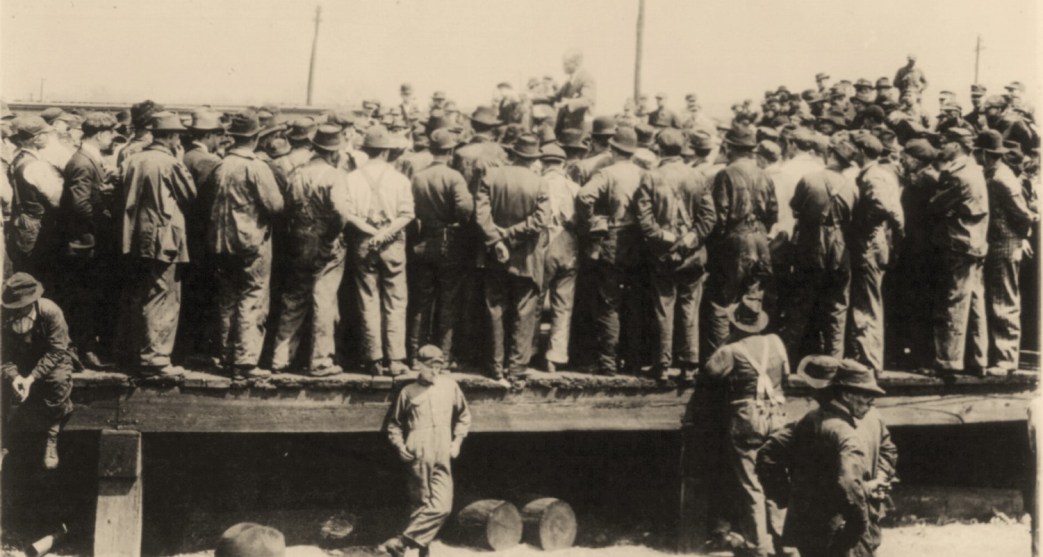
At length the time arrived when the organization seemed strong enough to make a test of its power to enforce better conditions for the workers. Efforts were made to get Judge Elbert H. Gary, head of the Steel Trust, to meet a committee of workers and consider their grievances.
Gary, who all his life has been the avowed enemy of Organized Labor, obstinately refused to meet the workers. All efforts at mediation failing a strike vote was taken, and carried overwhelmingly. September 22nd was set as the date for the stoppage of work. The committee made a final effort to see Gary. He refused, “closing the door in Labor’s face.”
The committee reported back to the workers and awaited the day. Last hour efforts made by President Wilson and Gompers, failed to move Mr. Gary, or to cause the Steel workers to postpone their strike.
In two or three places the workers could not be held back until September 22nd. In one town they came out three days before.
What American Labor Must Know
As I write this the strike is beginning its sixth day.
Here are some of the salient facts of the situation that all Labor in America must know and understand.
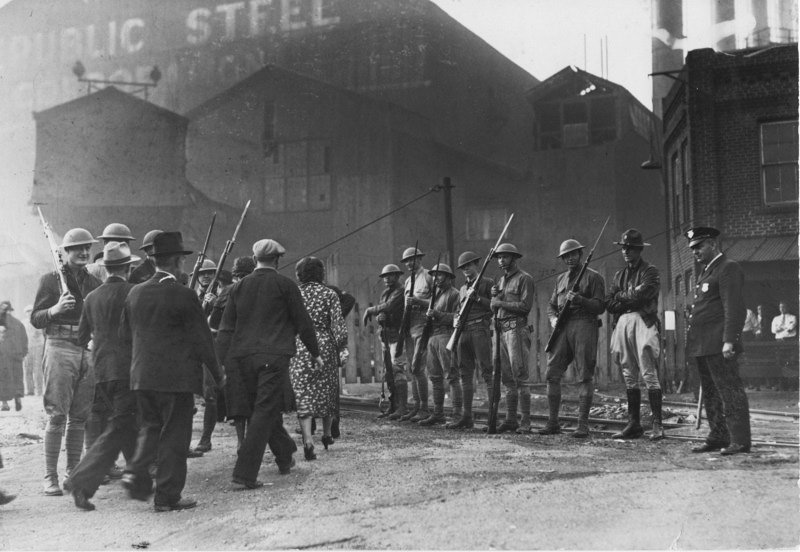
Since the first day of the strike the steel workers have gained steadily day after day, while the lying press has day after day told of strikers going back to work.
The important districts, except that around Pittsburg, were conceded to be controlled by the strikers from the first day. In the Pittsburg district a few mills were kept in operation, but some of those have since been closed; the most important plant in Pittsburg proper, the Jones & Laughlin mill, will undoubtedly go down by the time this paper is off the press.
The Bethlehem Steel Co., with 30,000 employees, was not included in the original strike plan, but is thoroughly organized and has voted to join the strike on September 29th.
Duquesne and McKeesport are the only uncertain spots left in the Monongahela Valley from Monessen to the Ohio.
Steel Barons’ Bluff
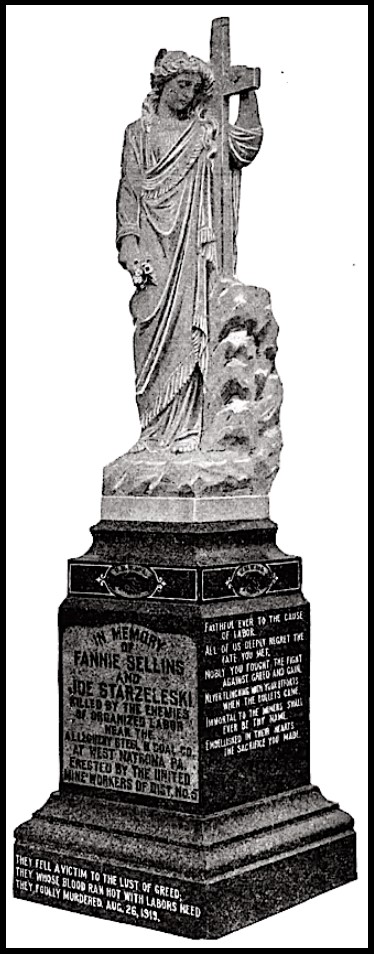
While I was in Brackenridge, where Fannie Sellins was foully murdered less than a month ago by Sheriff Haddock’s deputies, the kept press was loudly proclaiming that both the big Steel mills there were in operation with nearly all of their workers. I found one mill struck and most of its workers holding a meeting across the river in New Kensington, while the workers in the other mill were taking a strike vote.
At Homestead last night the bosses held a meeting and hit upon the brilliant trick of having the two or three hundred skilled men and foremen, who go in every day to keep up some appearance of activity, line up today at the Employment Office and go through the form of filling out applications as new men, so the police and press can report the usual dope about new gains for the employers.
But the strikers seem strangely immune to the poisonous influence of the daily papers. They get their reports regularly from strike headquarters, through the most efficiently conducted strike organization I have yet seen in this country.
The Basic Industry of Capitalism
It is a futile campaign that Capital is carrying on, and is bound to bring dire consequences if it is not soon checked. The strike has grown stronger every day, and the strikers can stay out longer than the country can go without Steel.
For after all, Steel stands at the base of the whole structure of modern civilization.
“You’ve got to have Steel,” Foster said to me, and that summed up the situation. All modern industry depends upon the product of the strong arms of the Steel mill slaves. When they stop it is only a question of time when the wheels of a hundred thousand factories will stop too. With only half the solidarity they have already achieved, they would so cripple production that in a few weeks the whole industrial mechanism would be thrown out of gear.
As it is they have built an organization that can dominate the industry, if Labor does not allow them to be crushed by sheer force of arms.
The Strike and the A. F. of L.
The strike is far from being a revolutionary strike, but it is the first time that the A. F. of L. has accomplished a real “Federation” strike. The co-operation of the twenty-five Internationals is a great achievement; if the structure of the A. F. of L., which keeps the Steel workers from being more solidly united in One Big Union of the Steel industry, finally causes the defeat of the strike, so much the worse for the A. F. of L. The Steel worker has learned the lesson of solidarity.
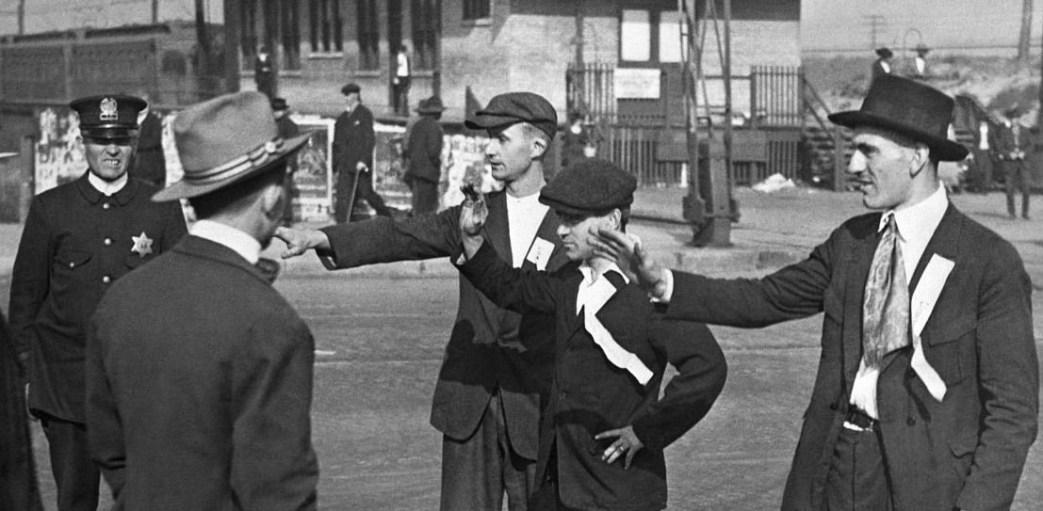
Of the twenty-five International Unions one only, the Stationary Engineers, refused to sanction the strike. But the rank and file of the Engineers in the Steel industry everywhere came out with the other organized workers, in defiance pf the official edict.
An extraordinary feature for an A. F. of L. strike is that all the impetus that has driven it forward comes from the rank and file. It is unbelievable that Gompers and his reactionary machine would have wished to embark upon such a titanic struggle as this promises to be, but it is a fact that he was forced to respond to the wishes of the rank and file, and though he made an eleventh hour effort to have it postponed, he is now supporting it whole-heartedly in his usual place, that is, in Washington, telling the honorable Senators that the Steel Trust is a band of robber barons. And he says it in no uncertain terms.
What he and his lieutenants may yet do, of course, remains to be seen. But at this moment the Steel strike is stronger than Samuel Gompers.
The Voice of Labor was started by John Reed and Ben Gitlow after the left Louis Fraina’s Revolutionary Age in the Summer of 1919 over disagreements over when to found, and the clandestine nature of, the new Communist Party. Reed and Gitlow formed the Labor Committee of the National Left Wing to intervene in the Socialist Party’s convention, eventually forming the Communist Labor Party, while Fraina became the first Chair of the Communist Party of America. The Voice of Labor’s intent was to intervene in the debate within the Socialist Party begun in the war and accelerated by the Bolshevik Revolution. The Voice of Labor became, for a time, the paper of the CLP. The VOL ran for about a year until July, 1920.
PDF of full issue: https://archive.org/download/VoiceOfLaborV1n4Oct011919OcrOpt/voice%20of%20labor-v1n4-oct-01-1919-ocr-opt.pdf
 Revolution's Newsstand