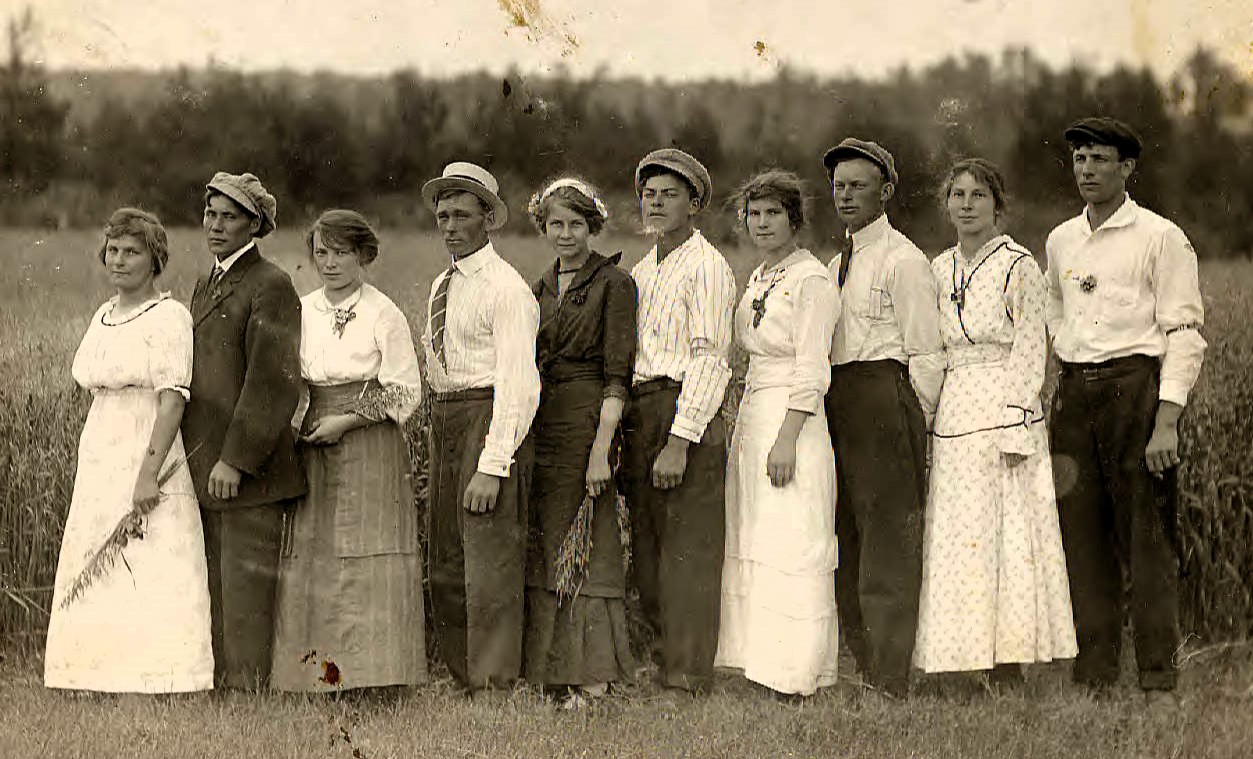
A look at the Finnish Young Socialists from leading Party figure, and future Communist, J. Louis Engdahl who, while praising their strengths, raises the continuing problem of integrating the many Language Federations, probably majority of the Party, into a common, cohesive national organization.
‘The Finnish Young Socialists of the United States’ by J. Louis Engdahl from The Young Socialists’ Magazine. Vol.6 No. 5. May, 1913.
How to combine the forces of the young people of the English Socialist locals with those of the foreign-speaking branches of the Socialist Party is the big problem that confronts the efforts now being made to build the National Young People’s Socialist League of America.
The plea for the organization of the young that will be made to the Socialist Party National Committee meeting here in May will come primarily from the English YPSL branches scattered over the nation. It is felt, however, that every effort ought to be made to enlist the aid of the young people of the foreign language sections of the Socialist Party, they being considered a powerful factor.
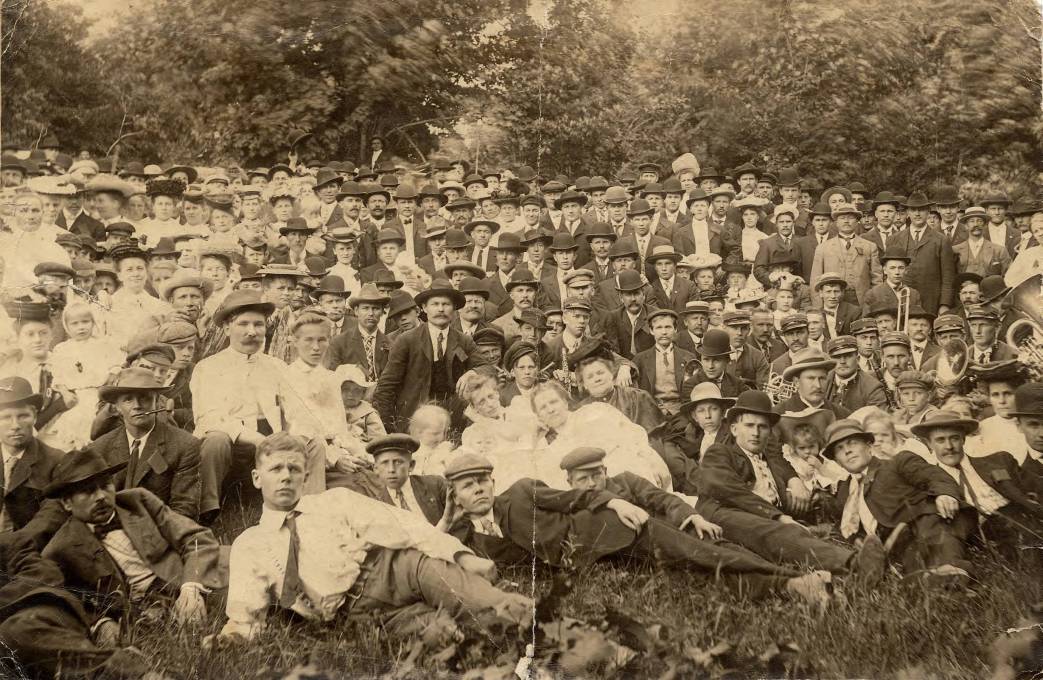
Among the most active of the foreign language sections of the Socialist Party in propagating Socialism among the young and organizing them into the Socialist Party is the Finnish Section. Here, however, the young people are directly affiliated with the local organizations and no attempt has been made to start a national federation.
Statistics carried up to the close of the year 1911 showed 1,156 members in the Finnish Gymnastic Societies, the local unit of the Finnish Young People’s organizations. There were 53 of these societies at that time: 14 in the Western states, 17 in the Middle states, and 22 in the Eastern states. Both the number of local societies and of individual members has increased considerably since these statistics were taken.
The Young Finnish Socialists, meaning those under 18 years of age, are not compelled to pay dues into the party, all of the expenses being borne by the adult organization. The Finnish locals of the party are especially well able to take care of the young because a large number of them have halls of their own where the activities of the Finnish youth may be centered.
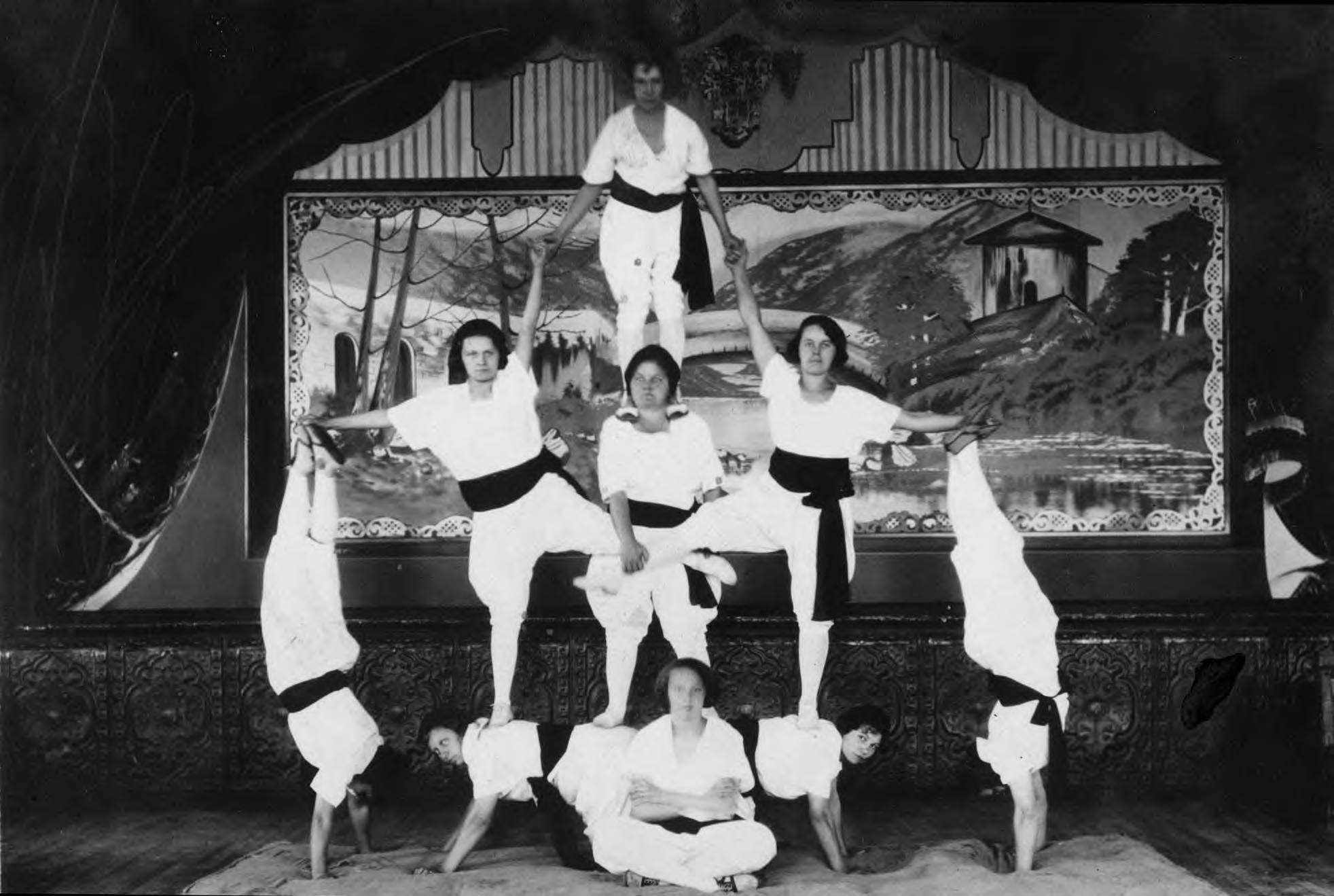
The agitation for Socialism among the Finnish youth receives special attention from the agitation, literature, and women’s committees of the various Finnish locals. In addition to their gymnastic clubs, the young Finns have dramatic clubs, singing societies, dancing clubs, and other social organizations. In many of the Finnish organizations there are special instructors of the young, some of these being paid regular salaries while others volunteer their services.
The Finnish Socialists have always been rather segregated from the English-speaking organizations of the Socialist Party and it is a question as to how the young Finns can be brought into touch with the young Americans in the Socialist movement so as to promote the interests of the young people as a whole. There is nothing to prevent the young Socialists, other than the Finns, from joining with the Finns in their local activities, becoming members of their gymnastic societies, for instance, but no move in this direction has been noted up to the present time.

This is due in part to the lack of interest of the English-speaking Socialists in the interests of the young so that the English Young People’s Socialist movement has grown to proportions that would call for their amalgamation with the foreign language organizations.
The Young People’s Socialist movement in Finland is growing to goodly proportions according to reports. The Finnish young people’s movement in the old country was started in 1904-05. The young people’s unions formed a federation at the Congress of 1906. The 2nd Congress took place in 1908, where 45 organizations were represented, reporting 2,500 members. The 3rd Congress in 1910 showed 106 organization with 10,000 members. The union in Finland is not a formal part of the party but it is recognized and supported by it. The union has its monthly organ, The Torch. Its program is the same as that of the party. At the time that the latest statistics were taken there were 195 dramatic societies, 60 choral societies, and 79 sport societies.

Some of the foreign sections, like the Polish, for instance, of the Socialist Party in this country have not progressed far enough to carry on any extended propaganda among the young.
“We recognize that this work must be done and that steps to see that it is done be taken in the very near future,” declares Hipolit Gluski, national Polish Translator-Secretary. “I am sure that the Polish Socialists will cooperate to the full extent of their ability with other foreign-speaking Socialists and the English Socialists in the building up of a strong young people’s movement.”
 Revolution's Newsstand