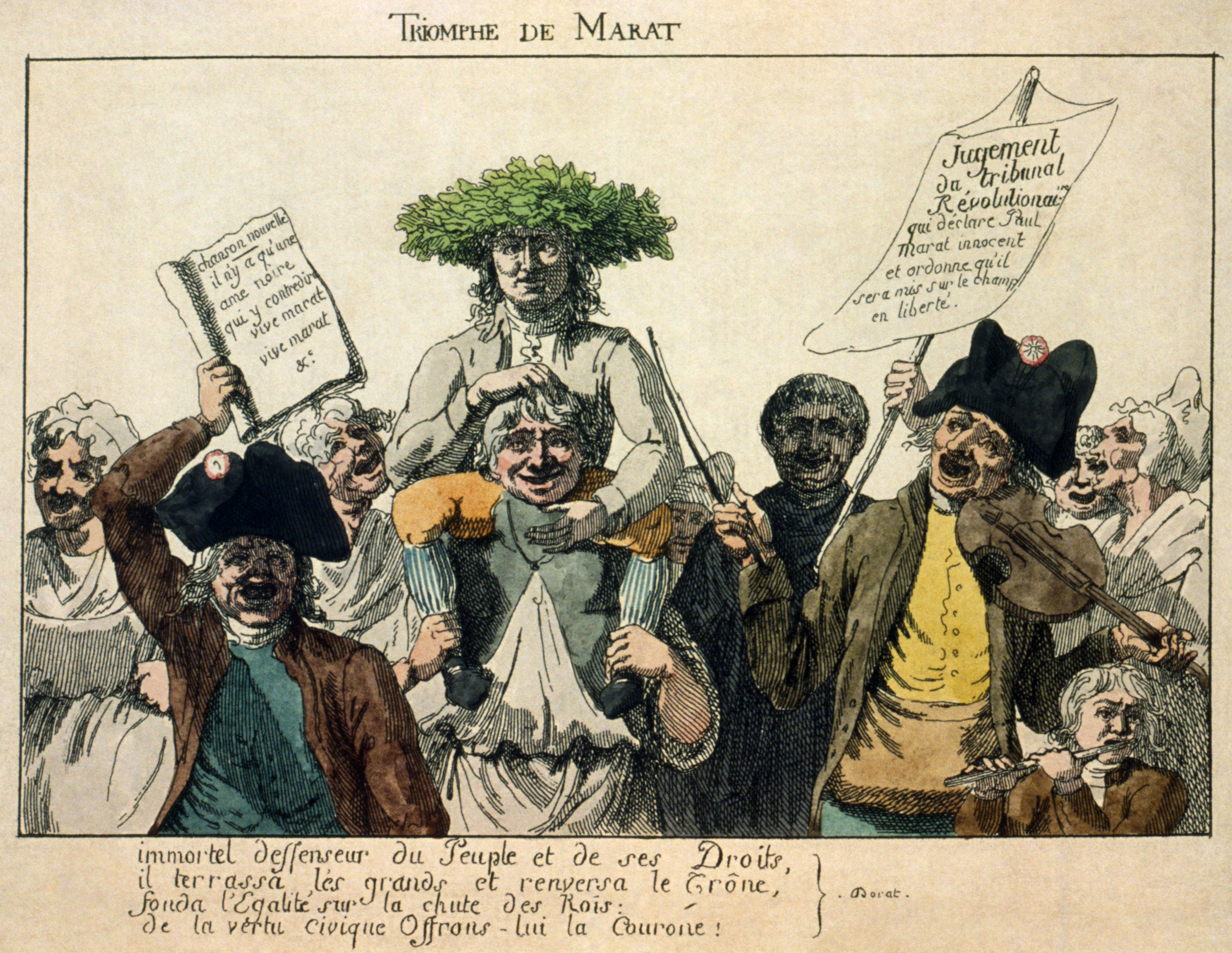
‘In Defense of Theft’ (1793) by Jean Paul Marat from Young Spartacus. Vol. 2 No. 5. April, 1932.
(Translated by Karl Lahr. This speech was delivered by the great French revolutionist, Jean Paul Marat, in 1793 before the judges of the revolutionary tribunal, in defense of a man who had been driven by hunger to steal. Marat’s eloquence disconcerted the judges and secured the prisoner’s release.)
“Citizens, if society claims the right to condemn a man, then she is bound to offer, and to guarantee to him, a human existence. If she merely handicaps him, and compels him to experience cruel misery, until he forcibly divorces himself from her, he only takes the rights which are withheld from him without reason.”
‘Citizen Marat,’ interrupts the President, angrily, ‘so you are attempting to justify theft and crime!’
“I justify nothing. But I assert, that in your unjust society you lack every justifying basis on which to condemn crime. For society, in the interests of its own existence, to be able to command the respect of the single units for the common order, she has, first of all, to satisfy the needs of all. But what has been the lot of the common people, hitherto?”
“They saw in the State a class of happy people whose life was full of gaiety, whilst they, the people, suffered. The former had plenty; the latter nothing. Nay, toil, danger, exploitation, hunger, sneers, and insults- that was their terrible fate.”
“Yes, I shout it in your presence. Always it has been the ruling class which drove the poor to despair by withholding from them the· means of life.”
“The worker depends on the chance of a job. If he cannot pay the taxes which are put on him, they even take away the straw on which he lies.”
“He is reduced to begging. Disgusted with the heartlessness of the rich, and everywhere refused help ‘lie becomes desperate when he hears his children crying for bread.”
“Allow me to address you in the name of my client: Am I guilty? I do not know. But what I do know, that I did only what I had to do. The instinct of self-preservation is the first duty of man. You yourselves know no greater duty. Whoever steals in order to live, when he is denied the right of making a living otherwise. does nothing else than exercise his natural rights.”
”You accuse me of having violated law and order. What matters this alleged law and order to me, to whom it has only been disastrous? You who have gained by its operations, rule over innumerable unfortunates-may preach upon subjection to “law and order”. Respect “law and order”, for they gain you a comfortable existence. But I, shall I recognize your laws, I who have been crushed by them. Do not tell me that all members of society benefit by them, when the opposite clearly is discernible.
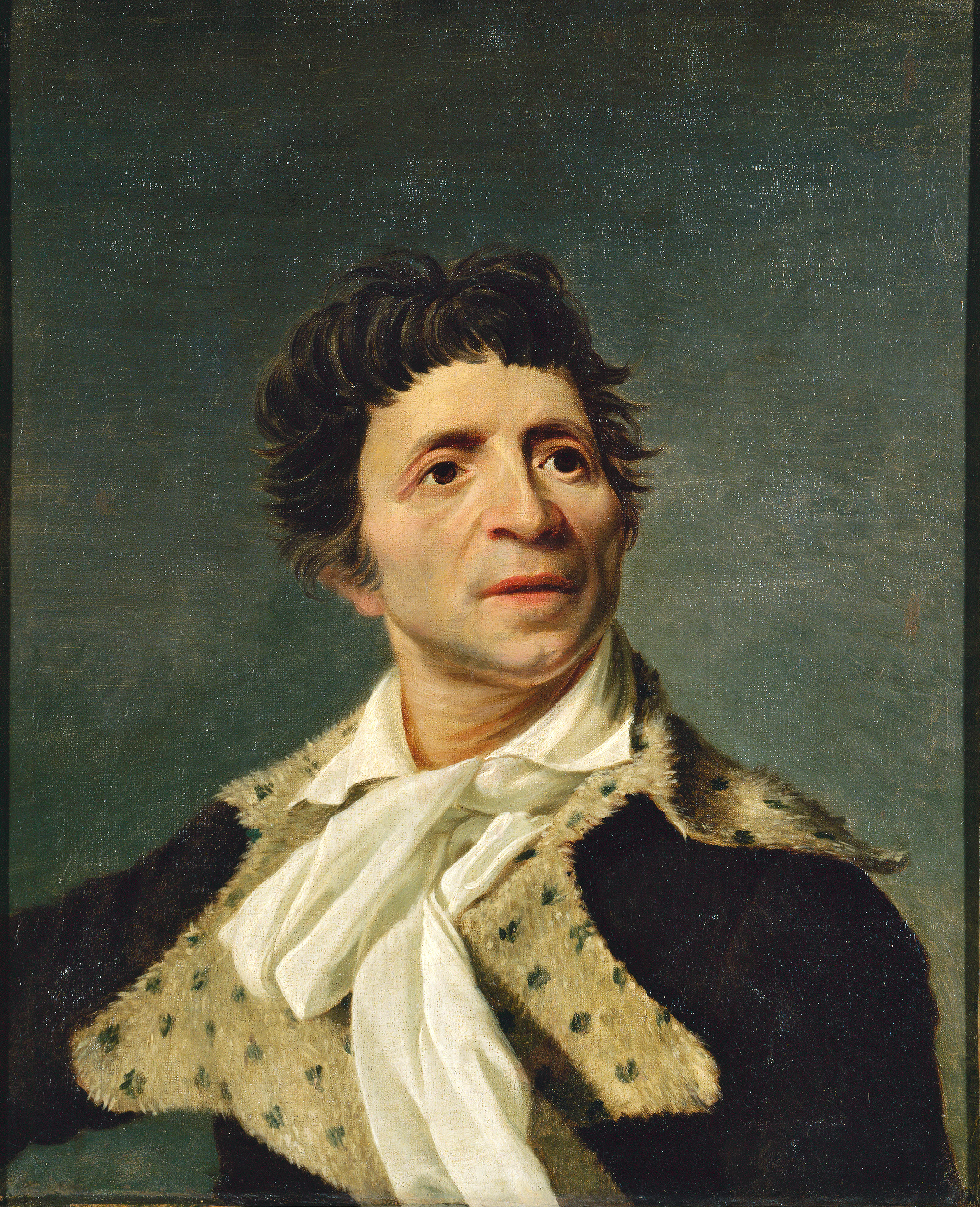
“Compare your lot with ours. Whilst you live in peace and luxury, in the midst of plenty, we are exposed to heat and cold, slavery and hunger. In order to satisfy your craving for enjoyment, it is not sufficient that we work the soil with the sweat of our brow. We have to wet it with our tears as well. What have you done to warrant your living luxuriously at our cost? However unfortunate our lot, if only there were an end to our suffering! There is none. The fate of the poor is decreed irrevocably. Misery is the eternal lot of our class.”
“Who does not know the advantages wealth gives to those who possess it? One requires no talents, no merits; no virtue. Everything is subject to one’s wishes. To the rich belong all privileges. In their defense are constructed the fleets. Control of the army, administration of public income, the right to plunder the State-all privileges are theirs.”
“One must have money in order to accumulate money. Otherwise there is no possibility of doing so. Then the form of employment marks the difference of classes. The better occupations, like art, etc., are reserved to the wealthy. Whilst to us, the poor, are left the dangerous and unhealthy ones. Everywhere we are neglected and repulsed, whilst those are supported who need no support.”
“You will say: Do some work. That is said easily. Did I have a chance to get work? Thoroughly impoverished by competition of a wealthy competitor; I have striven in vain to keep a roof over my head. Entirely broken by illness, nothing was left to me but to keep alive by begging bread. Even this often failed, I slept every night on straw, wrapped in rags, and so exhibited the sad picture of my misery. No soul took pity on me.”
“Driven to despair by the heartlessness of man deprived of everything, and impelled by hunger, under the shelter of night I took by force from a passerby a trifle what he withheld from me otherwise. Because I made use of my natural right, you would send me to prison. Sentence me if you think it is necessary to ensure your unjust possessions. In the midst of the unspeakable suffering which I have gone through, my one consolation was to denounce heaven for allowing me to be born amongst you.”
Young Spartacus was first published by the National Youth Committee, Communist League of America (Opposition), in New York City. A semi-monthly from 1931 until the end of 1935. The Spartacus Youth Clubs and then the Spartacus Youth League would be organized and publish Young Spartacus before the movement entered the Socialist Party and Young People’s Socialist League in 1936’s ‘French Turn.” For must of its run, as with its parent organization, Young Spartacus was aimed at supporters and the milieu of the Communist Party and the Young Communist League of which it viewed itself as an opposition. Editors included Manny Garrett, Martin Abern, Max Shactman, Joseph Carter, and George Ray.
PDF of full issue: https://www.marxists.org/history/etol/newspape/youngspart/YS1931-32/apr1932.pdf
 Revolution's Newsstand