‘Program to Abolish Child Labor’ by the Young Workers League from the Daily Worker. Vol. 2 No. 16. January 30, 1925.
The Young Workers League Demands that the Exploitation of Youth and Child Labor be Abolished.
The Young Workers League, American section of the Young Communist International, has issued a program for the fight against child labor.
The program issued by the league presents the demands of the militant working class youth of America that child labor shall cease.
The program demands equal wages for young and old workers, and full maintenance of all school children of workers and poor farmers by the government.
The anti-child labor program of the Young Workers League follows: THE child labor question Is one that vitally concerns every young worker in the country both as a member of the working class and as an individual.
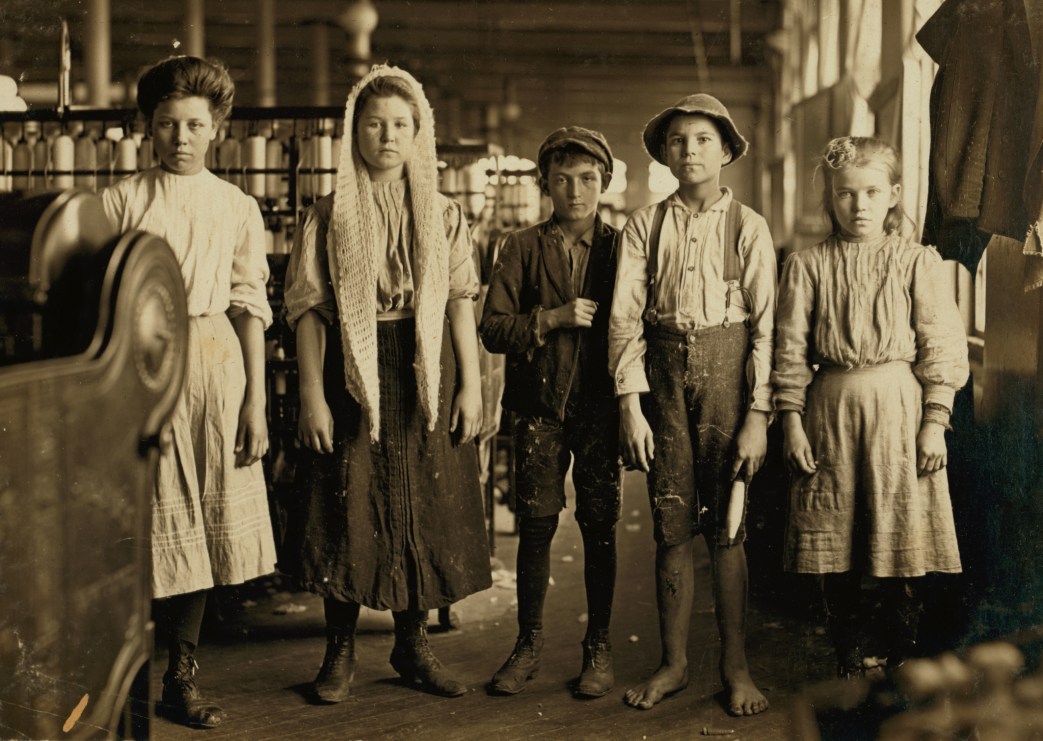
Child labor means that hundreds of thousands of future proletarian fighters are being driven into slavery that will drain them of their strength for the coming struggle. THE CAPITALIST STATE DENIES THE RIGHT O P PROLETARIAN CHILDREN TO HEALTH OR STRENGTH OR EDUCATION. It looks upon the children of workers and poor farmers as a convenient supply of cheap labor, to be exploited to the utmost, and to be used as a means for forcing down the wages of adult workers. It wants to train these children as the wage-slaves and cannon fodder of the future, and likes to get its hands on them and break them into submission at as early an age as possible.
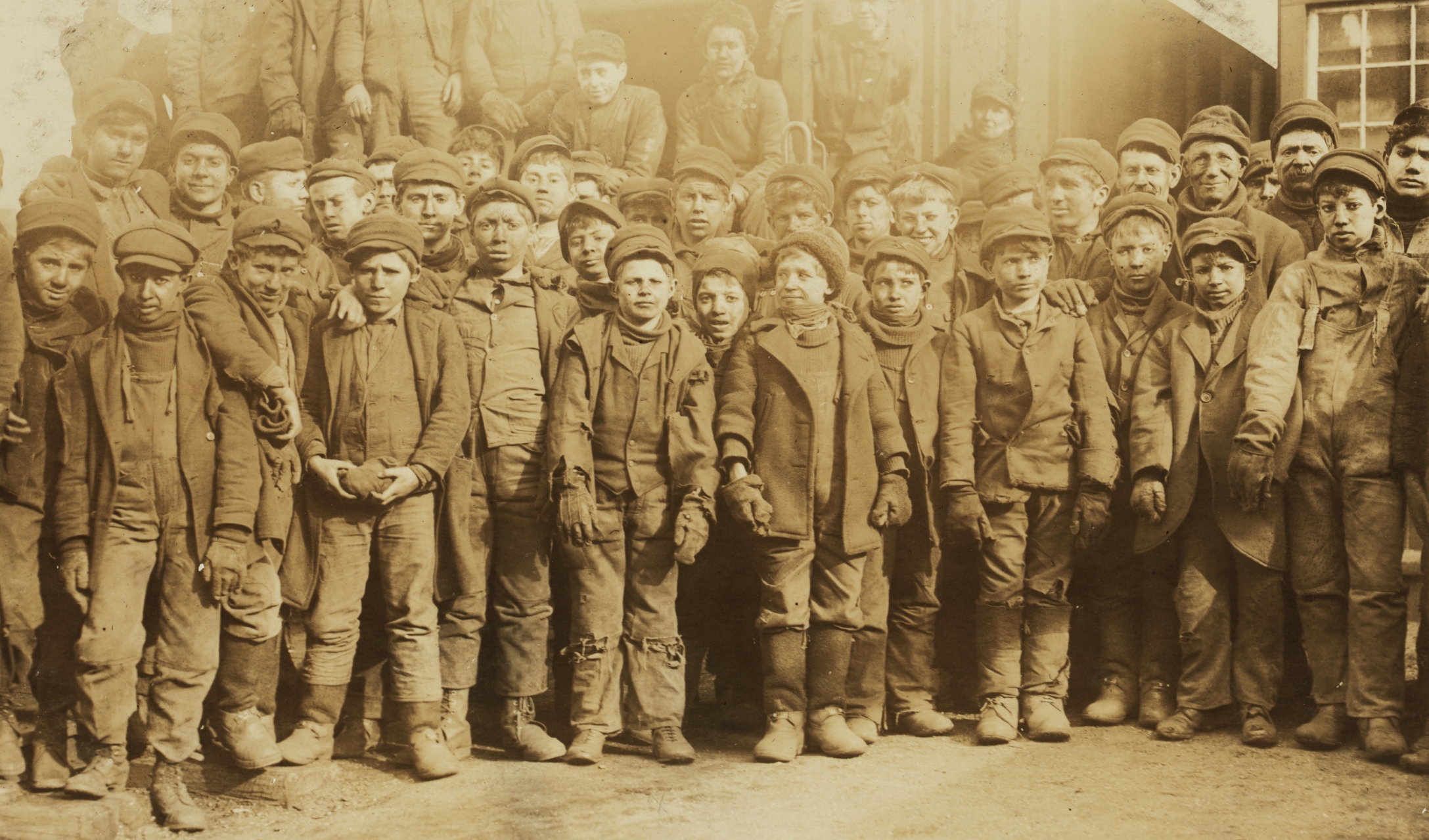
It is of no concern to the capitalist class if hundreds of thousands of its child slaves are sick and stunted and ignorant and crippled in body and mind. But we, who look upon the proletarian youth as the builders of the new society, must unite all our forces for the struggle against the degradation and enslavement of the children of the American workers.
Program on Child Labor.
The congress last spring submitted to the states for ratification a twentieth amendment to the constitution which reads as follows:
Section 1. —The congress shall have power to limit, regulate and prohibit the labor of persons under eighteen years of age.
Section 2. —The power of the several states is unimpaired by this article except the operation of state laws shall be suspended to the extent necessary to give effect to legislation enacted by congress.
This amendment was passed in the house on April 26, 1924, by a vote of 297 to 69. It was passed in the senate on June 2, by a vote of 61 to 23. To adopt the amendment thirty six states must ratify. In 1924, three state legislatures have acted, Arkansas, Wisconsin, California, Arizona and several other states have ratified the amendment.
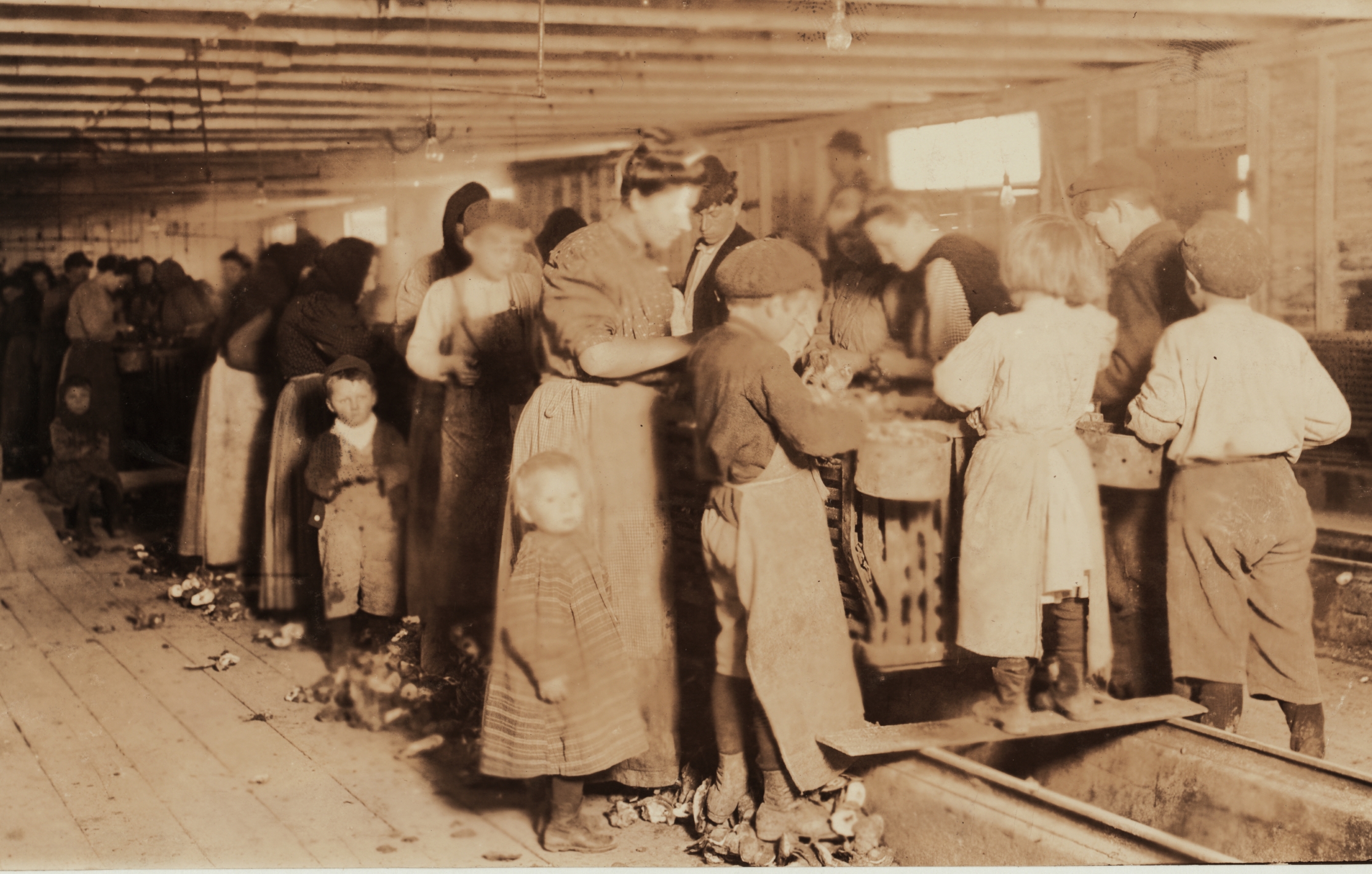
According to the statistics issued by the federal department of labor and the United States census bureau there are 1,060,000 children between the ages of 10 and 15 years at work in agricultural, manufacturing, and mining occupations. That this number does not represent the actual number of child slaves is admitted even by the department of labor which points out that no statistics were gathered on children under the age of 10, that the census (1920) was taken during January when many farm slaves go to school, and that no account was taken of employment like home industrial work, after school work, bootblacking, messenger boys, newsboys, etc. The actual number of child-labor era in this country may be more accurately guaged from a comparison oi the discrepancy between the total amount of children in this country and the total that attends school during the year. From this it can be seen that the correct figure would be nearer to 3,500,000. This makes the problem of child labor a most prominent one. The following gives a good estimation on the existing legislation legalizing the employment of children.
Fourteen states allow children to go to work without a common school education.
Nineteen states do not make physical fitness for work a condition of employment.
Eleven states allow children under sixteen to work from nine to eleven hours a day; one state does not regulate in any way dally hours of labor of children.
Four states do not protect children under sixteen from night work.
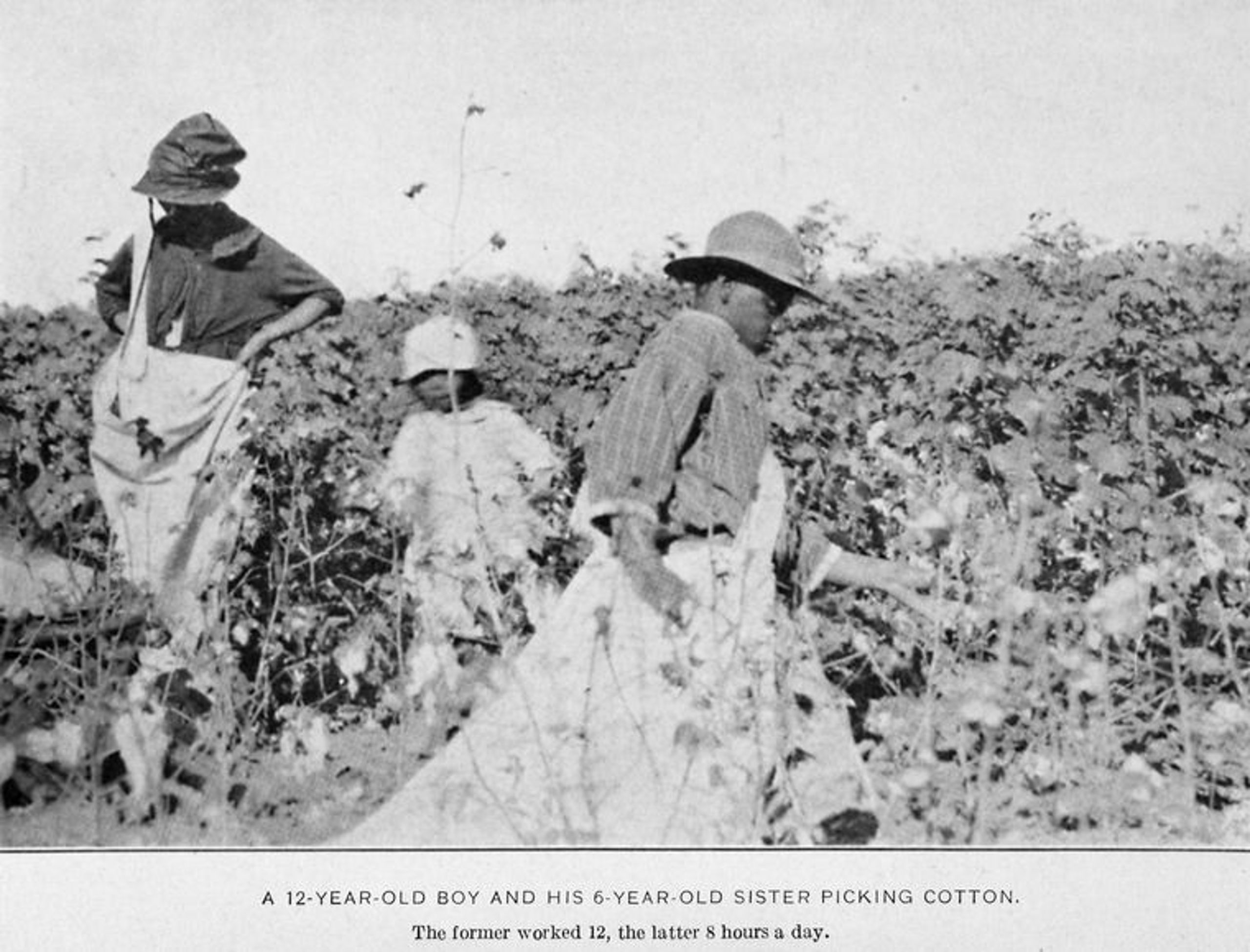
The child labor laws passed by the congress were declared unconstitutional by the supreme court. Since then child labor has increased by leaps and bounds. The twentieth amendment must go thru a long winded method of endorsements by state legislatures 13 of which are enough to kill it. There are at least 13 states where child labor forms one of the source of big profits for important industries and as these industries control the state legislatures, this would assure the failure of the amendment’s ratification. Even with the ratification of the twentieth amendment, the question of child labor would still have to be solved. Under capitalism the gainful employment of child labor will continue to exist. With the aid of technical machinery, child labor is able to produce as much as adult in many industries and this is accelerating the utilization of child labor. The child, due to his limited experience is paid less for his labor and this offers a means for the lowering of the wages of the whole working class No amendment prohibiting the employment of children under 18 can remedy a situation of this kind. If profits are to be wrung from the labor of proletarian children, then capitalism will continue their employment We work for the ratification of the amendment in conjunction with our broader demands, knowing that real protection of children can only be given when the working class take political power.
Our Program.
We demand the complete abolition of child labor and the substitution oi the Communist vocational training (the work school), child labor being considered up to the age of 16.
Our demand for the abolition of child labor and the Institution of the work school differs from the demand for the abolition of child labor and the institution of vocational education made by the Consumers’ League, National Chile Labor Committee and various report by the Children’s Bureau, U.S. department of labor, in that the latter have in mind the abolition of child labor because they represent the bigger machine industry which requires able workers in opposition to the interests of primitive industries such as cannery, cotton picking and the like. They see that the exhaustion o children during youth produces unsatisfactory adult wage slaves and also that wage earning power and satisfaction are increased with skill. We demand the training of children so they may be better fitted for social life.
Our fundamental demands, altho we put them forward for agitation al and propaganda purposes cannot be realized in the framework of capitalist society. We must, therefore carry on a campaign for the amelioration of the conditions of the child slaves, in the process of which the Young Workers’ League, and the Junior Section shall participate together with the Workers Party and gain more influence and numbers.
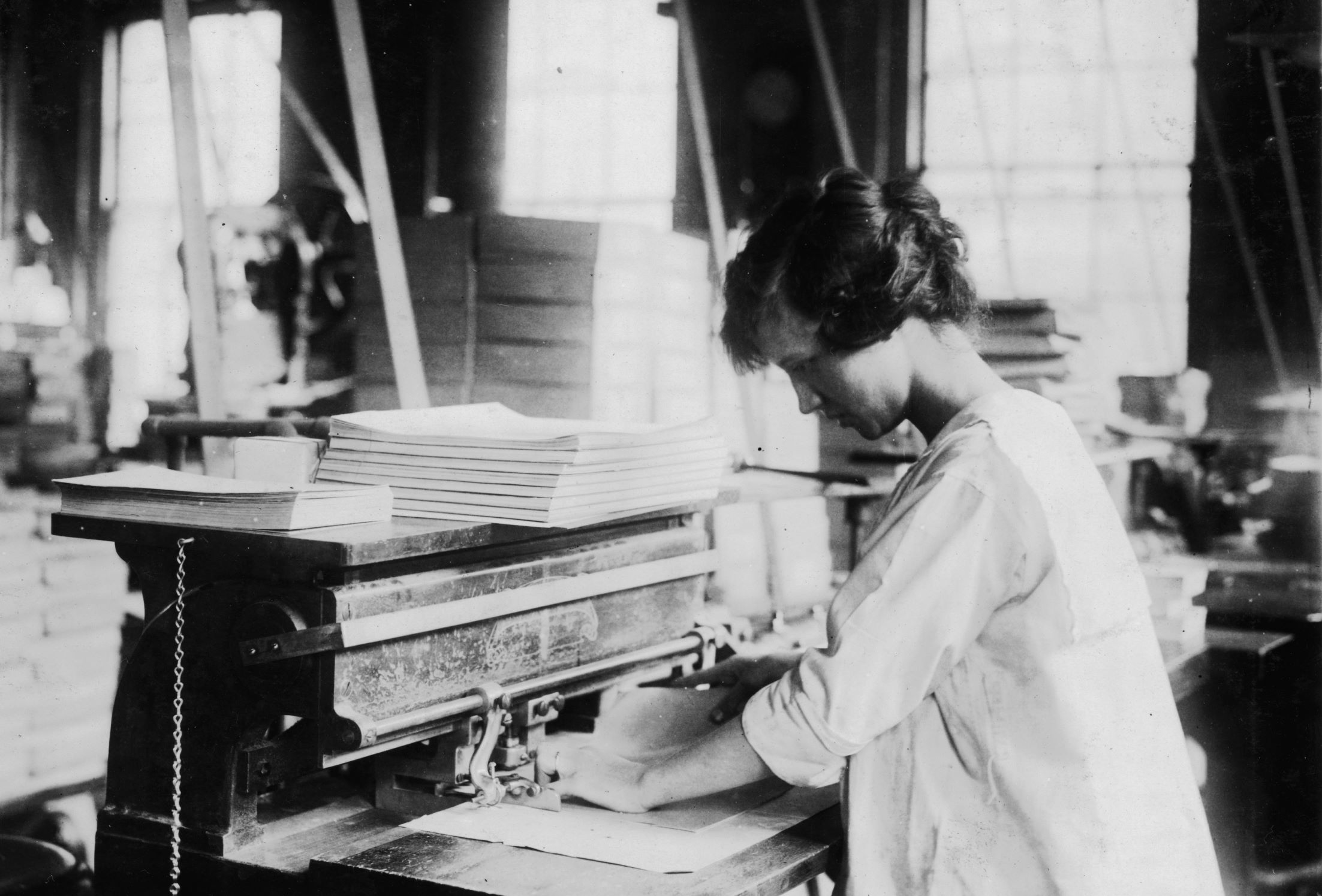
Our immediate demands must naturally be more drastic and fundamental than those advocated by the “enlightened” bourgeoisie and the conservative trade unions. On the following demands we can secure the adherence of the large masses since they are based on the joint needs of the adult and young workers of the country which all can feel:
1. Limitation of the young worker’s day to a maximum of four hours with no overtime or night work, or labor in dangerous industries.
2. Equal wages for equal work for young and old.
3. Strict supervision of apprenticeship solely by the trade unions.
4. Organization of the children into the labor unions.
5. Compel the state legislature to immediately ratify the child labor amendment to the constitution.
6. Compel the state and federal legislatures to pass a law providing for full government maintenance of all school children of workers and poor farmers without which a child labor law is useless. The funds for this purpose to come from special taxes on high incomes.
The Campaign.
We don’t rely upon the lobbying of the legislative committees of the Gompers’ machine; or upon the C.P.P.A. and LaFollette. We must organize the strength of the workers in a united front to fight for these demands and get their support for the Young Workers League and the Workers Party. The campaign is divided as follows: Literature and press, publicity agitation for our demands and organization.
Organization.
1. To issue a joint call with Workers Party for local united front conferences to combat exploitation of child labor, these conferences to consist of organizations of workers and poor farmers.
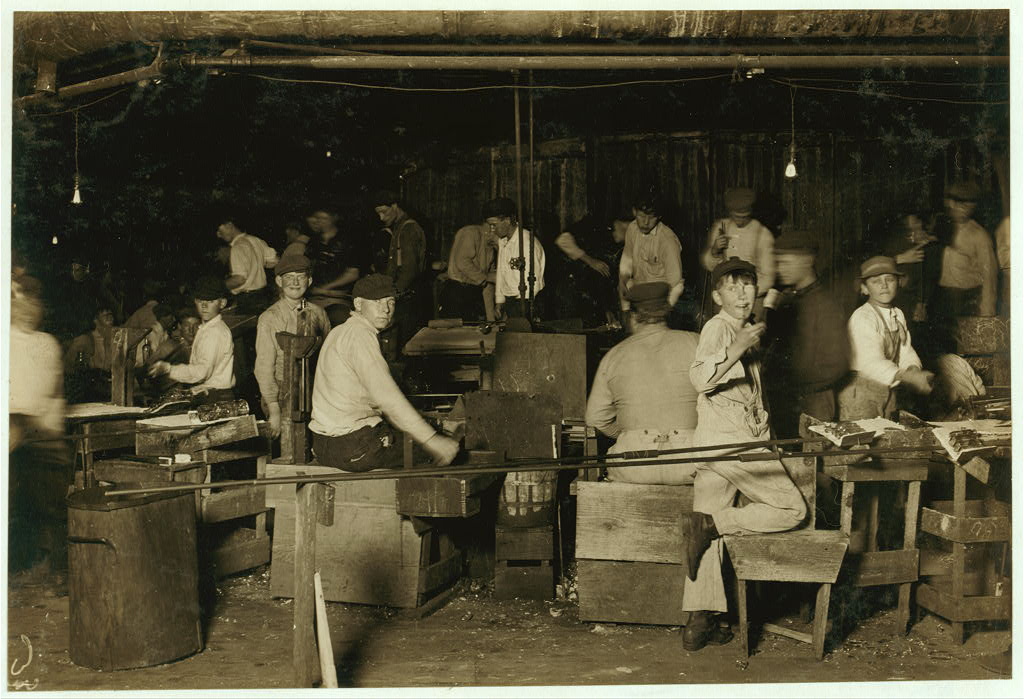
2. Special efforts to be made to draw into these conferences organizations of working class youth, working class women’s organizations and organizations of poor farmers.
3. A call for these conferences should be issued by the local organizations in conjunction with the Workers’ Party including also sympathetic labor organizations.
4. The date of issuing call for the conferences will depend upon whether there has been sufficient agitation carried on in favor of such a campaign. We must guard against premature calling of such conferences.
5. The National Executive Committee must be kept Informed regularly by weekly reports on the development of the campaign in each locality.
Duty of Press.
1. The Young Worker, the Young Comrade in co-operation with the DAILY WORKER systematically carry news, agitation articles, and editorials.
2. Leaflets shall be issued on special phases of the work.
3. We must popularize our demands as outlined in this policy and criticize the child labor amendment in the light of our demands.
4. Start displaying every news item bearing on child labor.
The Junior Groups.
The Junior Groups must be drawn actively into this campaign. This offers the opportunity for them to gain membership, giving them also a greater proletarian orientation, by having them participate in this phase of the class struggle. In localities where child labor is employed, efforts must be made thru the distribution of the Young Comrade to establish connections with the children. Their organization into nuclei will then be possible and its realization will mean the carrying of our campaign by and among the children themselves.
Put Labor on Record.
The resolution will be sent to each unit giving expression to our policy in this campaign, to be proposed to all labor unions. This resolution to be introduced when sufficient agitation has prepared the ground for such action.
The Daily Worker began in 1924 and was published in New York City by the Communist Party US and its predecessor organizations. Among the most long-lasting and important left publications in US history, it had a circulation of 35,000 at its peak. The Daily Worker came from The Ohio Socialist, published by the Left Wing-dominated Socialist Party of Ohio in Cleveland from 1917 to November 1919, when it became became The Toiler, paper of the Communist Labor Party. In December 1921 the above-ground Workers Party of America merged the Toiler with the paper Workers Council to found The Worker, which became The Daily Worker beginning January 13, 1924. National and City (New York and environs) editions exist.
PDF of full issue: https://www.marxists.org/history/usa/pubs/dailyworker/1925/1925-ny/v02b-n016-NYE-jan-30-1925-DW-LOC.pdf
 Revolution's Newsstand