
‘Felix Dzershinsky is Dead’ by Nikolai Bukharin from International Press Correspondence. Vol. 6 No. 54. July 29, 1926.
Yesterday our Comrade Dzershinsky passed away. He was consumed by his last flaming speech; he had poured out over everything the fire of his stormy soul and, consumed in this flame, he passed away for ever.
How full of life he stands on the platform! Simple, energetic, a perfectly tuned instrument. His speech is not a speech, but a cry of the intelligence and of the heart, a cry of frenzied will and creative passion. Every figure re-echoes with this passion. Every word is a sharp arrow which penetrates the minds of the comrades. All feel: this is a man who is wholly and entirely devoted to the cause. For himself, he does not exist. He does not gaze at himself in the mirror of history, just as he probably never gazed at himself in an ordinary mirror. He flung himself into the work. And this work, its needs, its sufferings, its wounds, its difficulties, emitted a penetrating cry, convincing, calling for help, insistent, demanding…
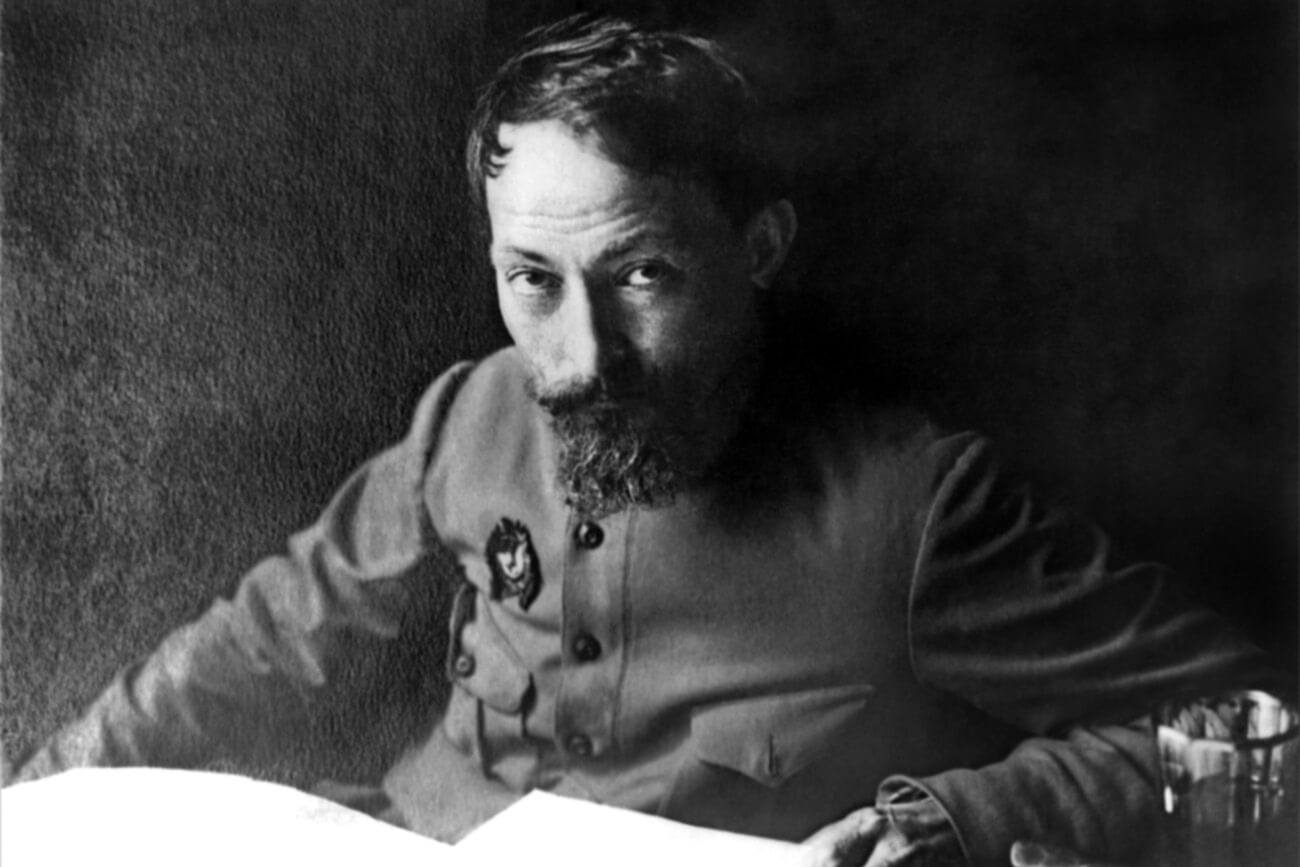
A strange flush plays over his cheeks, suddenly appearing, now disappearing. His eyes shine feverishly, burning with inner fire, and at the same time suffering so much. The austere and energetic countenance of a revolutionary fighter devoted right up to the end, to the grave (the countenance of a fanatic the philistines would say). A burning speech, flaming gestures, powerful outburst of the will… But what ails him? His hands grip painfully at his heart, as if they would tear out a stabbing pain. And suddenly his voice, which resounded so passionately and exhaltedly, sinks to a half whisper. Small drops of sweat stand out on his forehead, run down in small streams.
“But that is always the case with him” one reassures oneself as one observes with painful uneasiness the beloved, faithful comrade. But an inner voice says ominously: “Doomed, lost”. And a wild pain sweeps over us.
With a gloomy foreboding I left the session of the Plenum yesterday immediately after the speech of Felix Dzershinsky. I was told already that he had been taken ill. It was desired not to disturb him, as absolute calm was necessary. But the fatal foreboding grew more and more… And suddenly, a telephone call: “Dzershinsky is dead!”
“Dzershinsky dead!” Did you, friends and comrades, know this man? We had many heroes, and there are still many powerful, steel-hard people in our “iron cohort”. But Dzershinsky was unique in his way, and we no longer have his like. A real burning lava of the revolution; no ordinary human blood flowed in his veins. It is strange to imagine Dzershinsky asleep: almost impossible to conceive of his being dead. For he was a real fire of the revolution, lighting up everything like a torch, untamable like a tornado, burning and consuming like a powerful passion. Who ever saw Dzershinsky weary? Who ever saw him inactive? These questions had no meaning for Dzershinsky. For he, so it seemed, worked, fought, glowed without pause, knowing neither rest nor repose. This’ was his nature. “When I work, I work with all my might”, he said in his last speech. And his whole life was one such work…
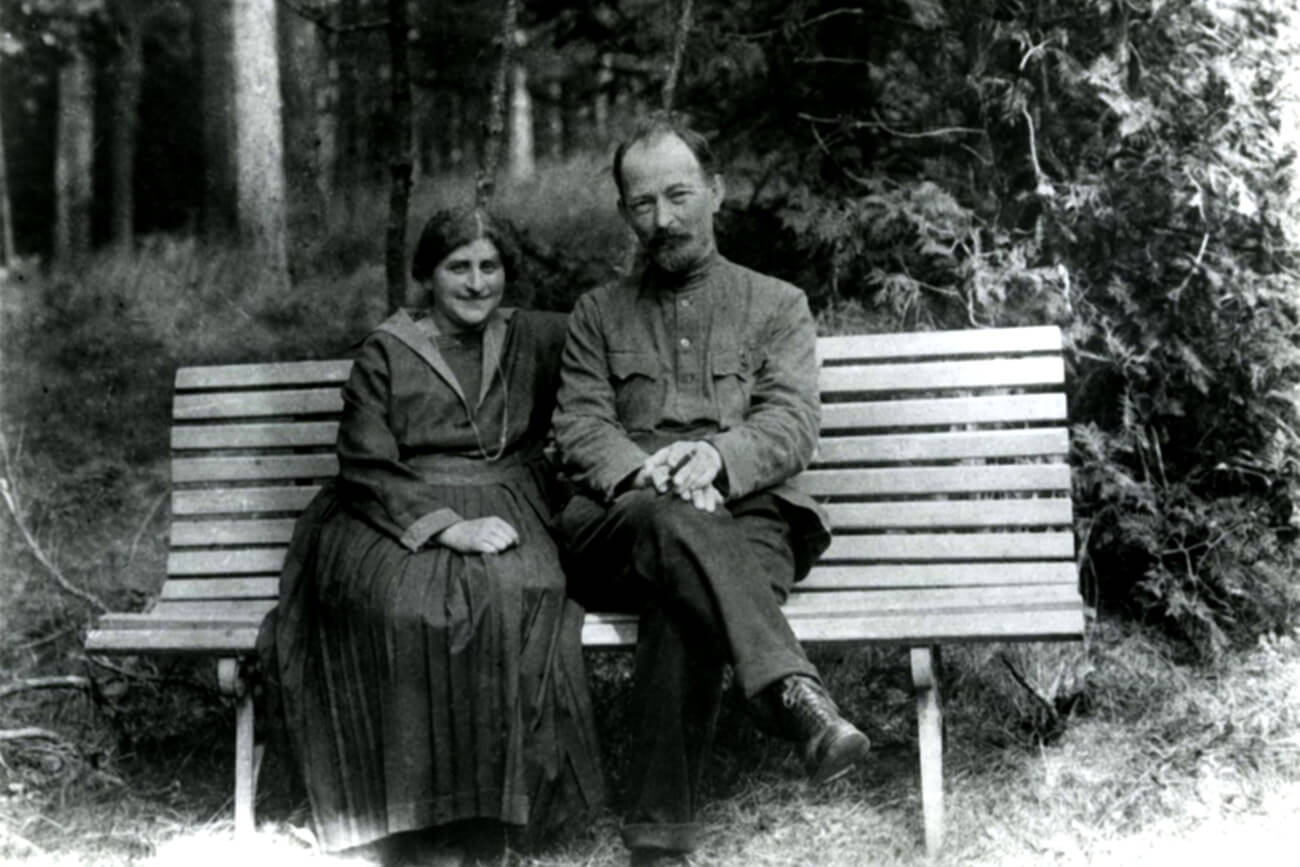
Revolution means sacrifice. And the revolution had taken full and complete possession of Dzershinsky. With long years of imprisonment behind him, Felix, freed from his fetters, flung himself into the turbulent stream of the great year 1917. We all remember this threatening revolutionary fighter at that time. Pitiless against the enemy, always at his post, Dzershinsky completed the work, whilst he repelled with a firm hand all the attacks of the enemy. Sleepless nights; constant restlessness; continually clenched, dry and powerful hand. Eternal vigilance; enormous responsibility. And at the same time absolute freedom from any posing, even of historical posing. Never at any time did Dzershinsky play the part of a Danton or Marat. He was simple, as simple as it is rarely given to anybody to be. He always did that which the Party ordered him to do — the Party, which to him was dearer than anything in the world, and for which he has lived and for which he has died. And therefore, Dzershinsky was and remains a knight without fear and without reproach, a knight of Communism, who will never he forgotten.
Both in the Tcheka as well as in the Transport Commissary, in the economic work, as well as in the C.C. of the Party and among the masses, Dzershinsky was known to be incorruptible, bold, inflexible, crystal-pure, straight and open. He always went about with open visor. He always spoke the truth, and was strict with himself, as well as with others, when it was necessary to be strict. Not infrequently he said the truth in a way nobody but he could say it. And he had a complete right to do this. He had won this right by his whole life, by the life of a true fighter of the revolution, to whom the revolution was everything: air and light, warmth and love, and life itself.
An infinite and boundless belief in the creative forces of the proletarian masses drove Dzershinskv forwards. It filled him completely. It had taken complete possession of him. Moulded out of one piece, Dzershinsky pursued his way with extraordinary natural simplicity. It was for this reason that he enjoyed such an authority; it was this that made his personality so charming, and rendered him so beloved. A quite extraordinary honesty towards the cause was combined in him with an enormous fullness of real human sympathy for humanity: this severe President of the Tcheka was, in fact, a charming human personality, a delightful comrade to everybody who trod the path of the revolution.
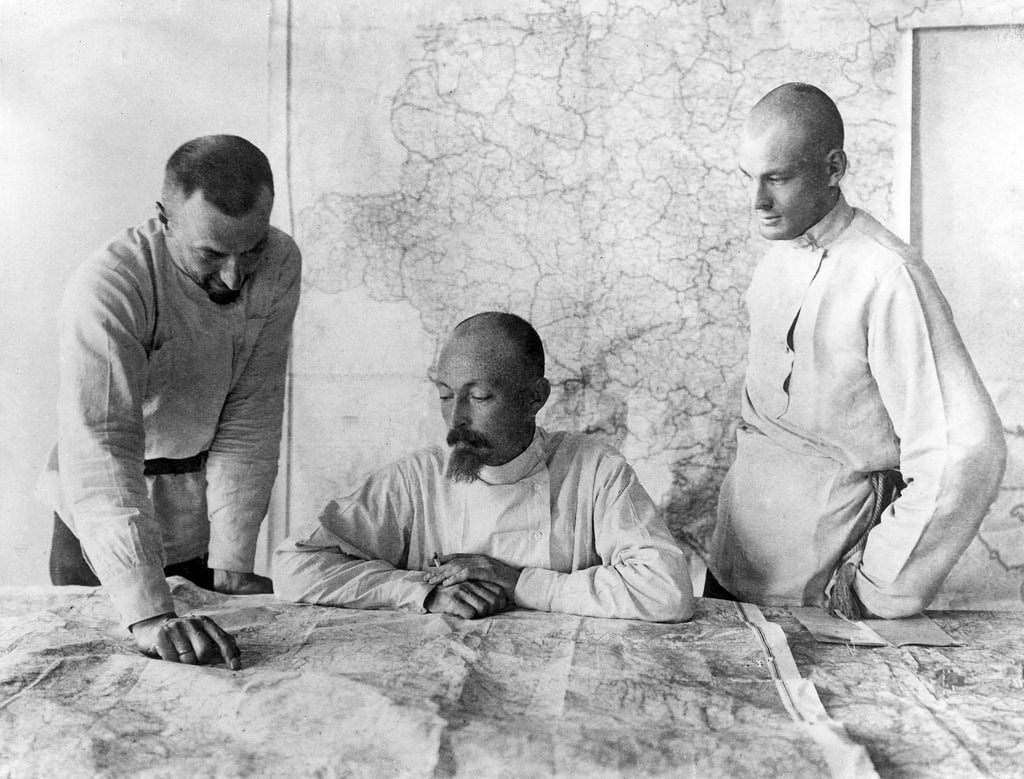
Not so long ago comrade Dzershinsky had a “holiday”. This “holiday” consisted in his spending day and night investigating the position of the metal works of the South. From this “holiday” Dzershinsky returned more ill than before. Nobody felt our shortcomings so keenly, with such inward pain, with such uneasiness as this fighter. He suffered literally on account of every failure, no matter how small. With each of his steps he refuted the notorious “popular wisdom”, according to which everybody considers his own interests first. The care for the community, for the great and the small, gnawed at him uninterruptedly; and at the same time compelled him to expend all his forces right up to the end, to a sort of frantic overexertion. As Dzershinsky performed every piece of work with the greatest conscientiousness, he forgot himself entirely. And he burned like a torch which lights the way to the great future of humanity.
This pre-eminent man lived and died for our Party, for its unity, for the dictatorship of our class. The chief trust he leaves behind is: Unity, united work, creative deed, struggle. It will be realised, and the victory will be complete. This thought is bound up with the unforgettable figure of our dear comrade. Farewell brother! Farewell our true fighter!
International Press Correspondence, widely known as”Inprecorr” was published by the Executive Committee of the Communist International (ECCI) regularly in German and English, occasionally in many other languages, beginning in 1921 and lasting in English until 1938. Inprecorr’s role was to supply translated articles to the English-speaking press of the International from the Comintern’s different sections, as well as news and statements from the ECCI. Many ‘Daily Worker’ and ‘Communist’ articles originated in Inprecorr, and it also published articles by American comrades for use in other countries. It was published at least weekly, and often thrice weekly.
PDF of full issue: https://www.marxists.org/history/international/comintern/inprecor/1926/v06n54-jul-29-1926-inprecor.pdf
 Revolution's Newsstand