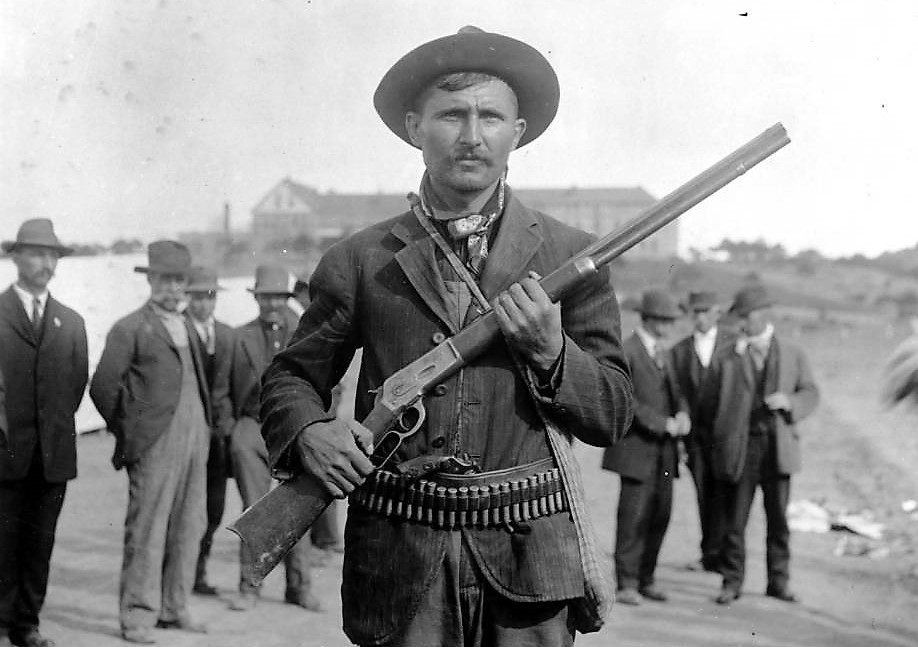
In the years before World War One, sections of the U.S. labor movement were increasingly radicalized with both traditional strikes and political action losing authority. In reaction to mass violence on the part of the bosses, workers increasingly began picking up the gun. Between 1912-1915 hundreds were killed in strike violence with West Virginia and Colorado seeing genuine guerilla war. The height of such actions was the ‘Ten Day War’ that followed the April, 1914 Ludlow Massacre of mining families by the State Militia. Frank Bohn, co-author with Bill Haywood of ‘Industrial Socialism,’ one of the most important pre-war revolutionary texts, makes an ‘appeal to miners’ for the political conquest of the state combined with the organization of industrial unions as the way out.
‘Fighting Weapons: An Appeal to Miners’ by Frank Bohn from the International Socialist Review. Vol. 15 No. 5. November, 1914.
Here are two cartridges. On is for use in the new model Springfield rifle, used by the regular army and militia. The other is from some old blunderbus picked up and used by a striker in defense of his home and his family. The regular army record with the Springfield rifle at a distance of one mile from a moving target is ten straight hits. I doubt whether the blunderbus aforementioned, using the ammunition that we see here, would be dangerous at three hundred yards. I am asking you, as a representative of the Socialist party, to vote for the Springfield rifle. Take this weapon from the enemy and place it in your own hands.
The foundations of all government are built upon force. Without force capitalist law is exactly nothing and no more. Today force protects wealth from being enjoyed by those who produce it. Forces seizes the lands of undeveloped peoples and enslaves them to the machines of international capitalism. Capitalist force is now highly organized and centralized. In a conflict of arms today the workers are doomed to defeat.
Of course it is better to die fighting than to live as starving slaves. No one can deny that. A few days ago I heard a Christian preacher in this town say that, had he been a striker at Ludlow, he “would have taken a six-shooter in each hand and never stopped fighting until he was dead.” In the bitter conflict which took place in Colorado a few weeks ago, you miners should rejoice in the mighty sentiment of support which you received from the workers everywhere. Never in the history of working-class America has there been such unity. The workers throughout the land. organized and unorganized, Catholics and Protestants, Democrats and Republicans, as well as Socialists, gloried in the fact that you fought back, and regretted only that they could not come, millions strong, to your assistance. It was all so heroic and inspiring because of the spirit it indicated.
But it was so hopeless, too. Any man who has ever carried a gun down the road, under discipline, knows how hopeless it was.
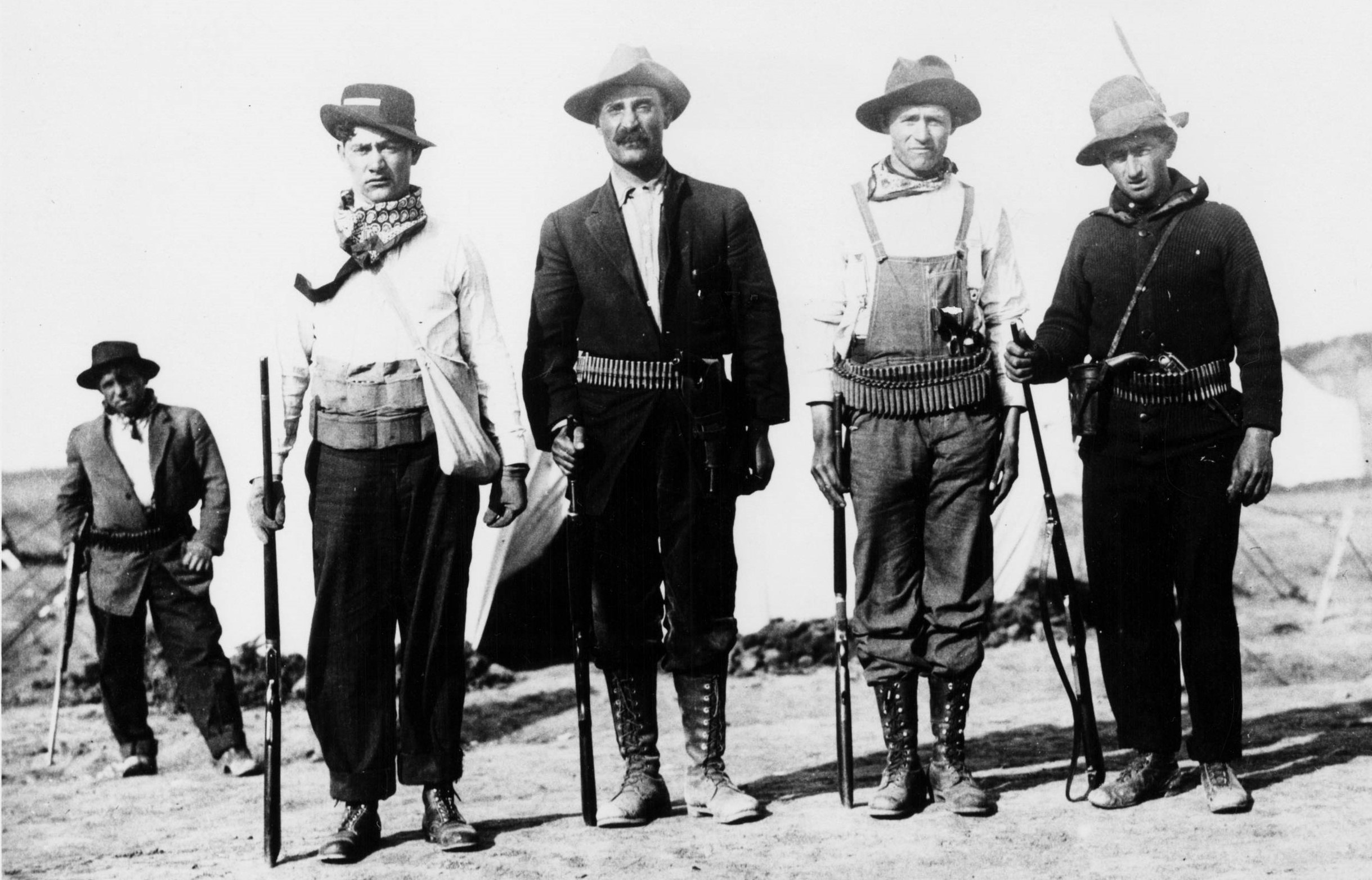
Let us look at the facts. Fifteen years ago the regular army of the United States numbered 25,000. The naval and marine force numbered 12,000. The militia, numbering 112,000, was disorganized, poorly armed and ineffectual. Today the regular army numbers 90,000, the naval and marine force 60,000, and the militia, though its numbers have not been much increased, is today armed, organized and trained much as is the regular army. The government at Washington thus has an available force of 270,000 men.
But this is only the beginning of the story. The ruling class is organized. Our producing class is worse than disorganized. The ruling class controls the technical knowledge of the fighting game. Let us not forget that there is no profession in the world which requires more of science and art, of trained skill, than the profession of arms. The ruling class can enlist men in large numbers. So can we, I hear someone say. But they can arm, feed, clothe and transport men. We cannot. At Ludlow, and elsewhere in the mining districts, when you retreated to the hills, you had no reserve ammunition, no blankets, no food supply and no cooking utensils. Each one of you used up what ever ammunition you happened to have with you and then you stood helpless. Let me repeat what I have already said. You were not permitted to debate upon your course: You were forced to take up arms. You did your duty as best you could. But now that the skirmishes of the past year are over let us not refuse to learn their most obvious lesson. The working class cannot now take up arms and in the long run do anything but commit suicide with them.
The one absolutely unanswerable argument for political action in the class struggle is the physical force argument. The sheriff of the county of Las Animas has sworn in, since the Colorado strike began, exactly 594 deputies. These included local capitalists and scabs and imported professional gunmen. It was the working men and women of Colorado, you miners included, who placed weapons in their hands and clothed their murderous actions with the sanction of law. Your Democratic, Republican and Progressive votes, cast upon the water, have returned after many days, not as bread, but as bullets.
Were this the first time such an event had happened in Colorado, we Socialists would be more disposed to patience. But the murder of the workers in this state is now an old story. Ten years ago there was a general strike of the coal and metalliferous miners of that state. On that occasion I had the privilege of going to Colorado and talking to you miners there. Surely the message of working class political action, at that time, voiced by scores of speakers, organizers and thousands of local comrades, reached all of you. We blamed the mine owners for the dreadful conditions which prevailed in the mines before the strike and for the heinous crimes perpetrated upon the workers during the strike. Today I cannot repeat that charge. I have been to Colorado again, this time to accuse the enfranchised portion of the working class. You are guilty of the horrors of the past eight months. Again and again, during the ten years since the last great mine strike, you have elected capitalist sheriffs, capitalist legislators, and capitalist judges. You have done this in nearly every state.
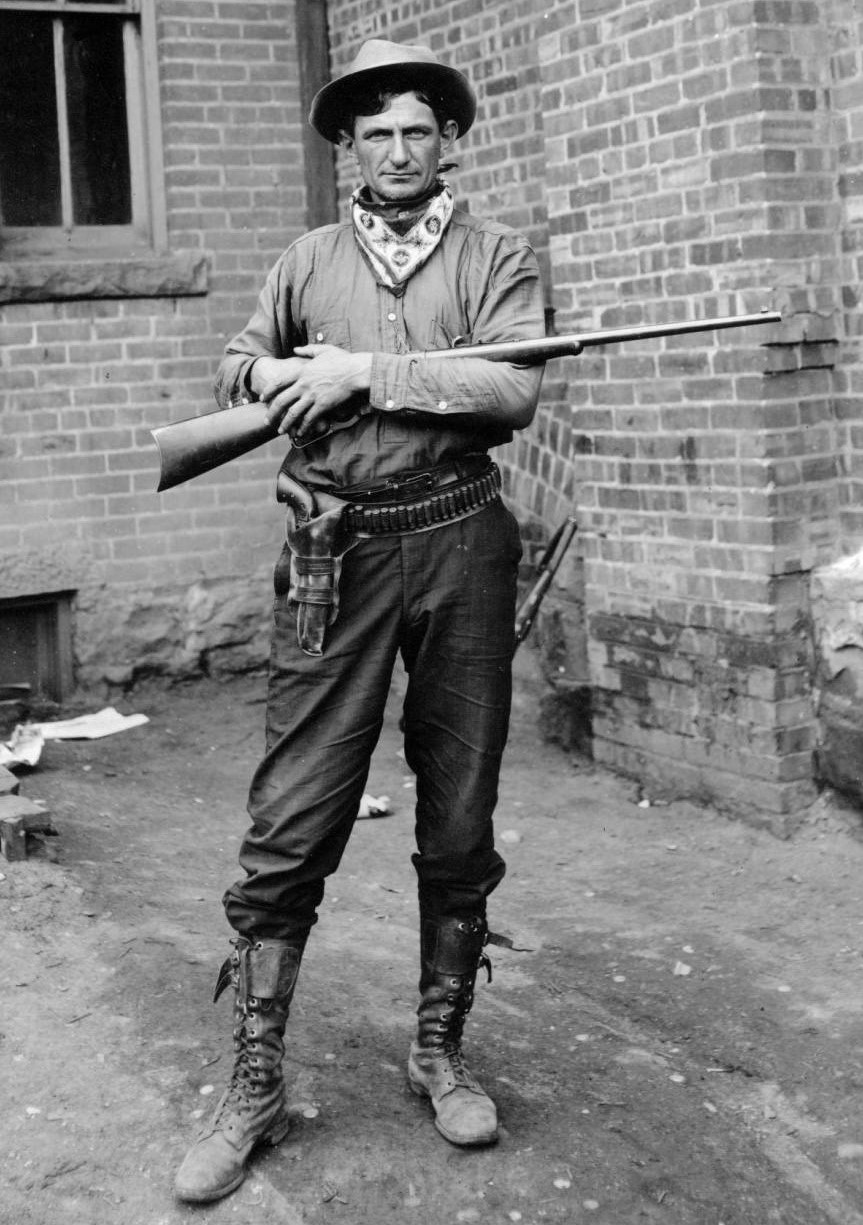
Yet Socialist faith in the working class is unbounded. We realize that the lesson concerning the nature of capitalist rule must be taught by experience again and again and again. On behalf of the Socialist party, I once more pledge it to serve you and you alone. If its candidates are defeated you and I are defeated. If its candidates are elected to office you and I are elected to office and succeed to the powers of office. The Socialist party of Colorado or West Virginia or Pennsylvania, if necessary, will place the new model Springfields in your hands. If, in the defense of your homes and your families, the militia must needs be called out, you will ride the horses, wrap yourselves in the good blankets, sleep under the waterproof tents and eat the very good rations which are served to the militia.
Are all these worth while to you? Would they help you in a strike? Are they worth voting for on the second day of next November?
It would seem almost unnecessary for me to add that a working class Socialist administration of Colorado or Montana or Ohio would expel every gunman, protect every striker’s home, and win such reasonable demands as you have made, without fixing a bayonet to a rifle or firing a single shot.
One Big Union
Out of the bitter and unequal conflict in Colorado a single fact stands out like a great light in the darkness. I refer to the action of the railroad workers. During the whole strike they have loyally refused to haul scabs and gunmen into the strike districts. These railroad rebels included switchmen, brakemen, conductors, firemen and engineers. A number of them in this town were discharged from their jobs by the railroad company. All their fellowworkmen on the division threatened a strike and the rebels were reinstated. All hail to these railroad workers! They are worthy of the great traditions of the American Railway Union and the battle of 1894.
Two facts which the history of the past two years in the Colorado and West Virginia districts so clearly exhibit are the pillars of our hope for the future. The first is that the working class will fight. The second is that, as a class, it is developing solidarity. This new unity is industrial as well as political. Experience alone can teach the mass of the workers. How long will it be before our education will be sufficient for the work which history has now given our class to perform? When will the railroad workers refuse to haul scab coal out of mines? When will they refuse to move a car in or out of a struck mine camp? When will the workers at the Rockefeller steel mills at Pueblo be ready to quit their machines when the miners lay down their tools? When the coal and metal miners, the metal and machinery workers and the railroad men, regardless of the nature of their work, or the amount of pay they receive, are united in ONE BIG UNION and in possession of political power the time for revolution will be at hand. These six millions of strong men, united as one, will be a greater force for progress than the world has ever known in any land and in any period of history. This force can destroy American capitalism and establish Socialism, which will be a condition of industrial freedom for all.
Industrial Unionism
It seems so simple. We are all in the same condition of slavery, of semi-starvation, of worry concerning the future. The forces making for perfect unity are so tremendous. Suppose some of you have steady jobs and comparatively high wages. You have children, some of you five or six of them. The “good” jobs are becoming scarcer every day. What is to become of your children? You are sending two or three of them to the high school. Without jobs that will but increase the misery of their poverty. Intelligent skilled workers, understanding these facts, are ready to take their places in ONE BIG UNION, so they will be ready to win more for all. Only fools go on to defeat after defeat in little groups by themselves.
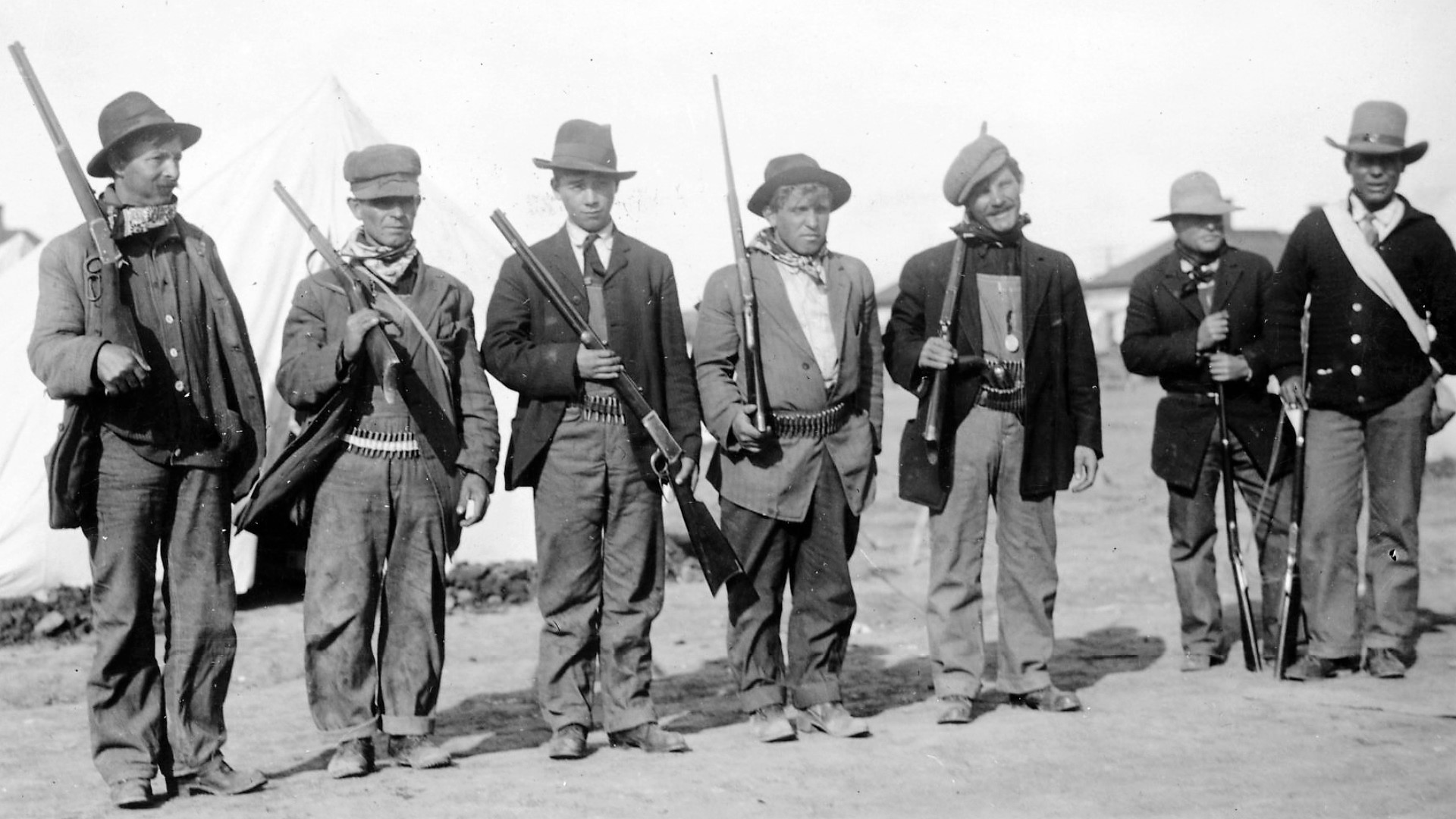
That is the only difference I can see between industrial unionists and craft unionists in this year, 1914— intelligent men and women on the one hand, asses on the other. Take the most aristocratic of all workers, the locomotive engineers. You get in the west from $150 to $200 a month. But how many of you can look forward to a peaceful old age and a natural death? Practically all of you will be killed or injured sooner or later. Why? Chiefly because today there are on most railroads less than one-third of the number of section hands absolutely required to keep the road-bed in shape. Because the section hands who are at work don’t get food enough to keep themselves in shape. You die because the shopmen don’t get a fair chance to repair your engines, because the brakemen have to work twice as long as flesh and blood and nerves should work at the job. And then I am told by some of you that your interests are not the same as those of the working class generally. Let me repeat that the difference between the industrial unionist and a craft or group unionist today is the difference between the intelligent man and the fool—a fool accursed by his ignorance and through that ignorance dangerous to the welfare of his family, of his class and a hindrance to social progress. If you locomotive engineers and all other skilled workers value your lives and care at all for the future of your children, bring your miserably weak brotherhoods together into ONE BIG UNION and join with the shopmen and the section hands. Do what the miners have done. Then align yourself with the miners, the metal workers, the farm workers, and all the other toilers in the land.
ONE BIG UNION and that union revolutionary; opposed to the wages system; fighting for and securing better conditions today; forcing the parasites off our backs tomorrow, a union with twenty-five millions of members and a vision that reaches to the stars! If you but permit yourselves to experience the inspiration of this ideal your whole life will be changed, deep down at the base of it. You will wish to live long, love your fellows and to grow with the growth of the world.
The Strike and the Ballot
Amidst the scenes of the class war, with the black, stricken field of Ludlow in mind, we see means and end more clearly. Here we must at least set to thinking with perfect confidence in one another’s good intentions. There has been in the past, among the American working people, far too much of dissension and bitterness of spirit. Let me express the earnest desire that all of you, for the moment, try to see the matter as we Socialists do. I don’t ask all of you to agree with us finally. I do urge you just now to stand beside us, to look in our direction, and see the things we see.
This is the way it looks to me: Five hundred of you live in a mine town up the canyon. You are robbed and cheated. You protest only to find yourselves despised and spat upon. Your lives are always endangered. Often you follow the coffins of relatives and friends murdered in the mine by a greedy, scheming, law-breaking corporation. You’re a Catholic and you are taxed a dollar a month to pay for a Protestant parson hired by your boss. What is to be done? To that question there can be but one answer. You must strike. You refuse to go into the mine until your own committee assures you that it is safe. You refuse to pay a dollar a month for a corporation parson to pray you into heaven. You wish instead to pay for your own checkweighmen to prevent the corporation from cheating you out of your pay for the coal you dig. You strike and the boss locks you out of the mine and drives you out of town.
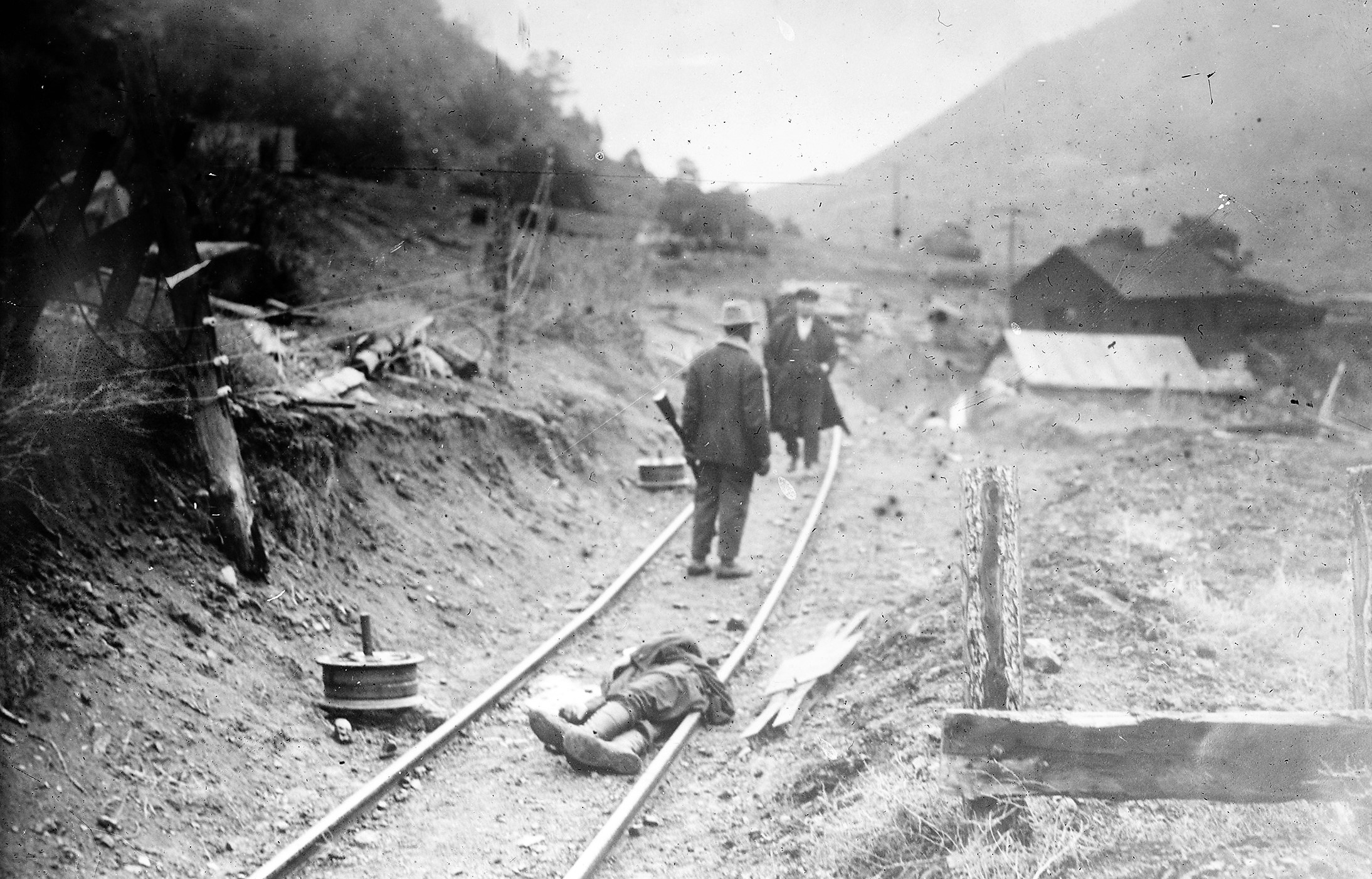
The strike is the greatest human event in the world today. It is the worker’s will to live, expressed in heroic action. It is human history in its inmost heart unfolding itself. It buries your past with its slavery. It gives birth to your future of power and freedom.
The strike is an industrial battle. The ballot and the political power it gives supply the physical force with which to win the battle. We have already shown why these two are inseparable. Do not think that I am maintaining here the sanctity and the virtue of government and of law. Capitalist politicians in legislatures pass laws which are deliberately intended to deceive the workers. For instance, there is already a law on the statute books of Colorado forbidding the importation of strike-breakers from without the state. Such a law, with capitalist politicians in office, is simply nothing. In Cherry, Ill, some years ago, nearly three hundred workers were burned to death in a mine. To accomplish these frightful murders the great corporation which owned the Cherry mine broke exactly five laws which were upon the statute books of the state of Illinois. Had any of those laws been enforced a thousand widows and children would have had their husbands and fathers at the supper table that evening. Mere laws are nothing. When there is a fight, men in the executive offices are what count. Put yourselves in office. Enforce the laws as they are. Disarm and expel the gunmen and enlist the strikers as militia. Don’t let a wheel turn or a pound of coal be mined until the corporations are brought to time. Protect every pound and every inch of property from destruction by the corporation detectives. Your strikes will then be won within thirty days.
The union organizes you. Political action protects you. The strike starves out the capitalist. The vote prevents the capitalist from starving you out. The strike takes you out of the mines. The vote keeps you from going into the jails. The strike prevents the capitalist from docking your wages to pay for a parson you don’t want. The vote enables you to tax the capitalist to hire a school teacher you do want. The strike enlists millions to fight for us who can’t vote. The vote enlists millions to fight for us who can’t strike.
Some say that we cannot trust the men we place in political office. Others say that we dare not trust those we place in the offices of the union. I have not so low an opinion of you and you have not so low an opinion of me. The men and women of the working class everywhere are learning to trust themselves and one another. There never were more loyal fighters anywhere than those we are now enlisting in our cause. A much worse evil than the disloyalty of a few is the ignorance of the many. But the workers everywhere are learning what they want and the means of getting it.
Compare the United Mine Workers with what it was ten years ago. Compare its leading officers, its methods, its demands, and its fighting power with what each of these was ten years ago. That organization is worth infinitely more than it was then. Compare the Socialist party with what it was ten years ago. At that time there were not enough well informed socialists in many states to fill a hall. Next autumn hundreds of thousands of men and women will vote our ticket and know why they are doing so. We have crawled out of our swaddling clothes and put on armor. Our Socialist party propaganda has accomplished more than that of any other organization in bringing the workers to a knowledge of industrial unionism. We have no excuses to offer anybody anywhere. We are proud of what has been accomplished and confident of the future.
Socialism
Some of you say that you still do not understand Socialism. Socialist conversation sounds well but you can’t quite “get what were driving at.” Let me request of you to forget for the moment whatever in your mind seems difficult concerning Socialism. In just ten minutes the whole matter will be as simple as ham and eggs for a quarter, over at the corner restaurant.
When you win one strike, for example, you will work eight hours instead of ten. That will be law number one passed by yourselves, for yourselves. You will get a ten per cent increase of wages. That will he law number two. You will have your own checkweighmen. That will be law number three. The laws which count most for you are the laws of the mine. Get power there and the Kingdom of Heaven will be added unto you here and now. Imagine the hours of work becoming less and less and the percentage of your product you receive becoming more and more. Imagine that, finally, nothing is left for the boss to do but to join the union and to go to work.
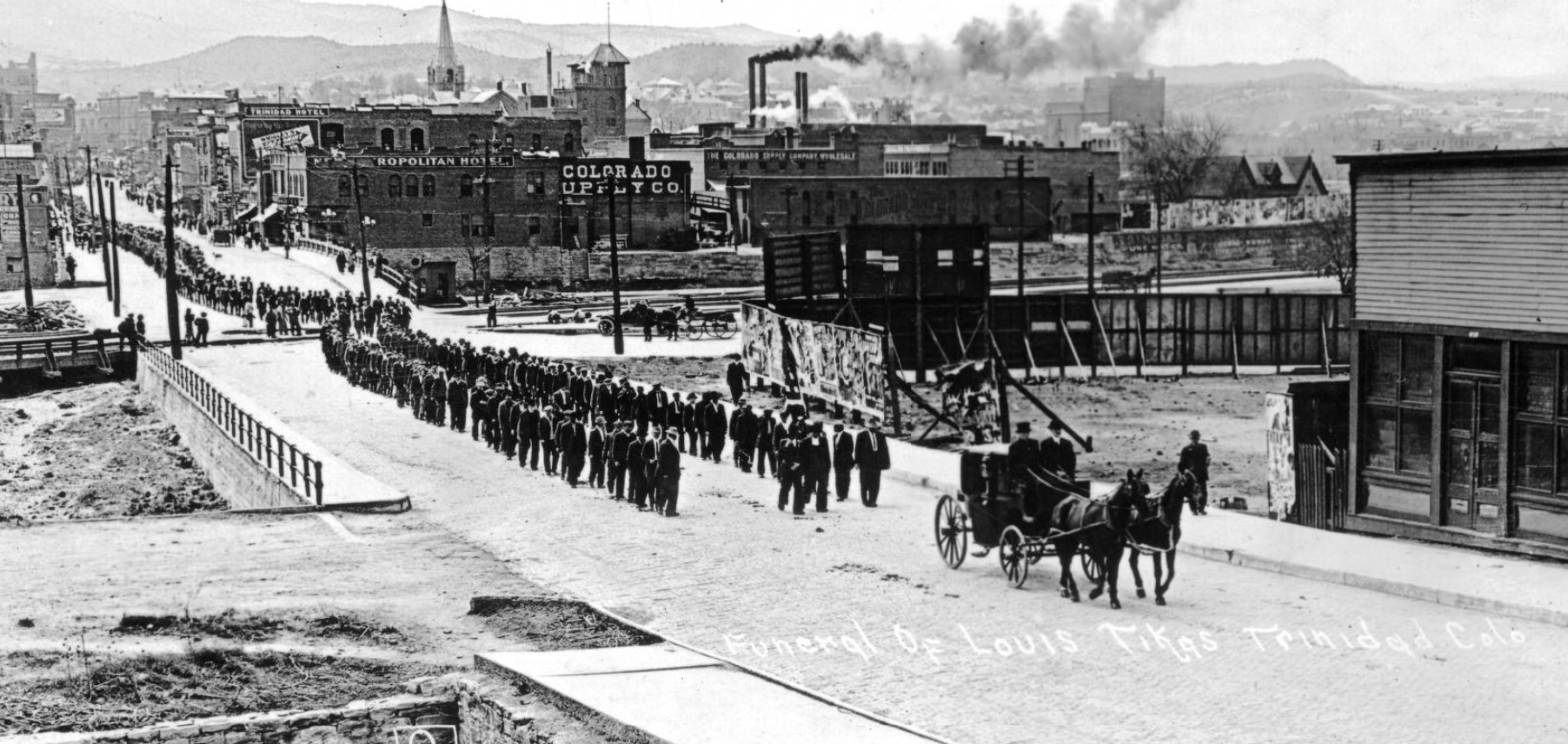
Some of you are troubled in mind when you hear Socialists speak of “The Revolution.” Nothing else so simple. When we are fully organized, industrially and politically, we shall beat the whole capitalist class and force its members to accept our terms. That is “The Revolution.” The workers of America, being in control, will rule themselves on the job. That will be Socialist government. Conceive of the Congress of the United States being composed of the representatives of the various industries—representatives of the miners, of the metal workers, of the railroad workers and of the farmers. I happen to be a teacher. I wish to see the teachers organized—kindergartners, primary grades, high school teachers, university professors—all in one union. When the teachers have less work, more to eat and more to say about running the schools, we shall have better schools. Of course the workers of the whole nation will have the supervising power, the final voice, in determining how much wealth shall be produced, in what form, and how our great institutions of production shall be managed. Socialism will be a condition of industrial liberty under the law of a collective democracy. Socialism will mean life and freedom and civilization and brotherhood for all, realized at last.
As petty struggles fought to secure a few small immediate benefits, the miners’ strikes of the past two years with their sacrifice and suffering, their new made graves, would not be worth the cost. But considered as a part of our great world wide conflict, no price, even unto the death of thousands, is too great to pay for industrial freedom. With the memory of the ashes of Ludlow imperishably fixed in our minds may we
“Let dead hearts tarry and trade and marry,
And trembling nurse their dreams of mirth,
While we the living our lives are giving
To bring the bright new world to birth.
“Come, shoulder to shoulder, ere
Earth grows older!
The Cause spreads over land and sea;
Now the world shaketh, and fear awaketh,
And joy at last for thee and me.”
The International Socialist Review (ISR) was published monthly in Chicago from 1900 until 1918 by Charles H. Kerr and critically loyal to the Socialist Party of America. It is one of the essential publications in U.S. left history. During the editorship of A.M. Simons it was largely theoretical and moderate. In 1908, Charles H. Kerr took over as editor with strong influence from Mary E Marcy. The magazine became the foremost proponent of the SP’s left wing growing to tens of thousands of subscribers. It remained revolutionary in outlook and anti-militarist during World War One. It liberally used photographs and images, with news, theory, arts and organizing in its pages. It articles, reports and essays are an invaluable record of the U.S. class struggle and the development of Marxism in the decades before the Soviet experience. It was closed down in government repression in 1918.
PDF of full issue: https://www.marxists.org/history/usa/pubs/isr/v15n05-nov-1914-ISR-riaz-ocr.pdf
 Revolution's Newsstand