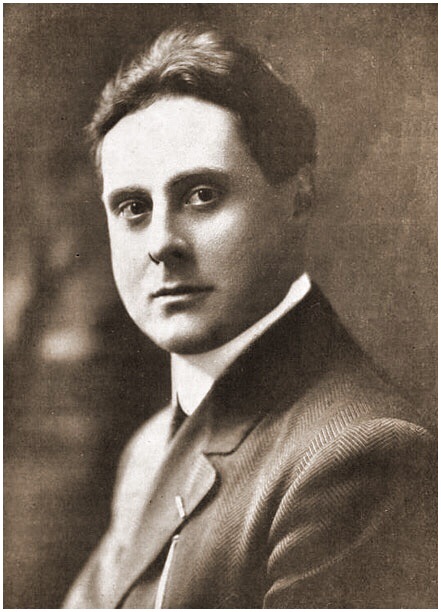
While many Socialists who betrayed their class and their cause in World War One were no surprise, having long abandoned the class war, Frank Bohn’s apostasy shocked the left.
Who Was Frank Bohn?
Frank Bohn (1878–July 29, 1975) was born September 26, 1878 on an Ohio farm, the son of a German 48er immigrants to the U.S following the failure of the Revolution of 1848. As young man Bohn served as a non-commissioned officer in the Spanish–American War, a radicalizing experience and would join the Socialist Labor Party. Formally education, Bohn got a PHD in History from UM at 26 years old in 1904. That same year Bohn became a paid organizer for the Socialist Labor Party of America and the Socialist Trade & Labor Alliance. In many ways he followed a similar trajectory of his S.L.P. comrade and friend, James Connolly over the next decade. Bohn was founding delegate to the founding I.W.W. Conference in 1905, of which became a leading lecturer and organizer for.
From 1906 to 1908, he was National Secretary of the Socialist Labor Party and a delegate to the 1907 Stuttgart Congress of the Second International. Bohn left the SLP in 1908, becoming a member of the Socialist Party and immediately became a recognized leader of the organizations revolutionary industrialist left. He became Organizer for the Socialist Party of New York and an editor of the International Socialist Review. Closely associated with William D Haywood in the debates within the S.P. and largely workers movement, they were joint authors of the definitive ‘Industrial Socialism’ published in 1911. Around the same time, Bohn broke with the I.W.W. over the predominance of its ‘anti-politics’ position, as he, like Haywood, viewed industrial and political action as, potentially, the complimentary force for liberation. Bohn was a major force behind the short-lived but exemplary ‘Revolt’ newspaper in San Francisco. As an editor of International Socialist Review, Bohn was at the center of the U.S. revolutionary left for the first half of the 1910s. A fine and prolific writer on theory, history, events, and in polemics, Bohn’s oeuvre from this period is essential for understanding it.
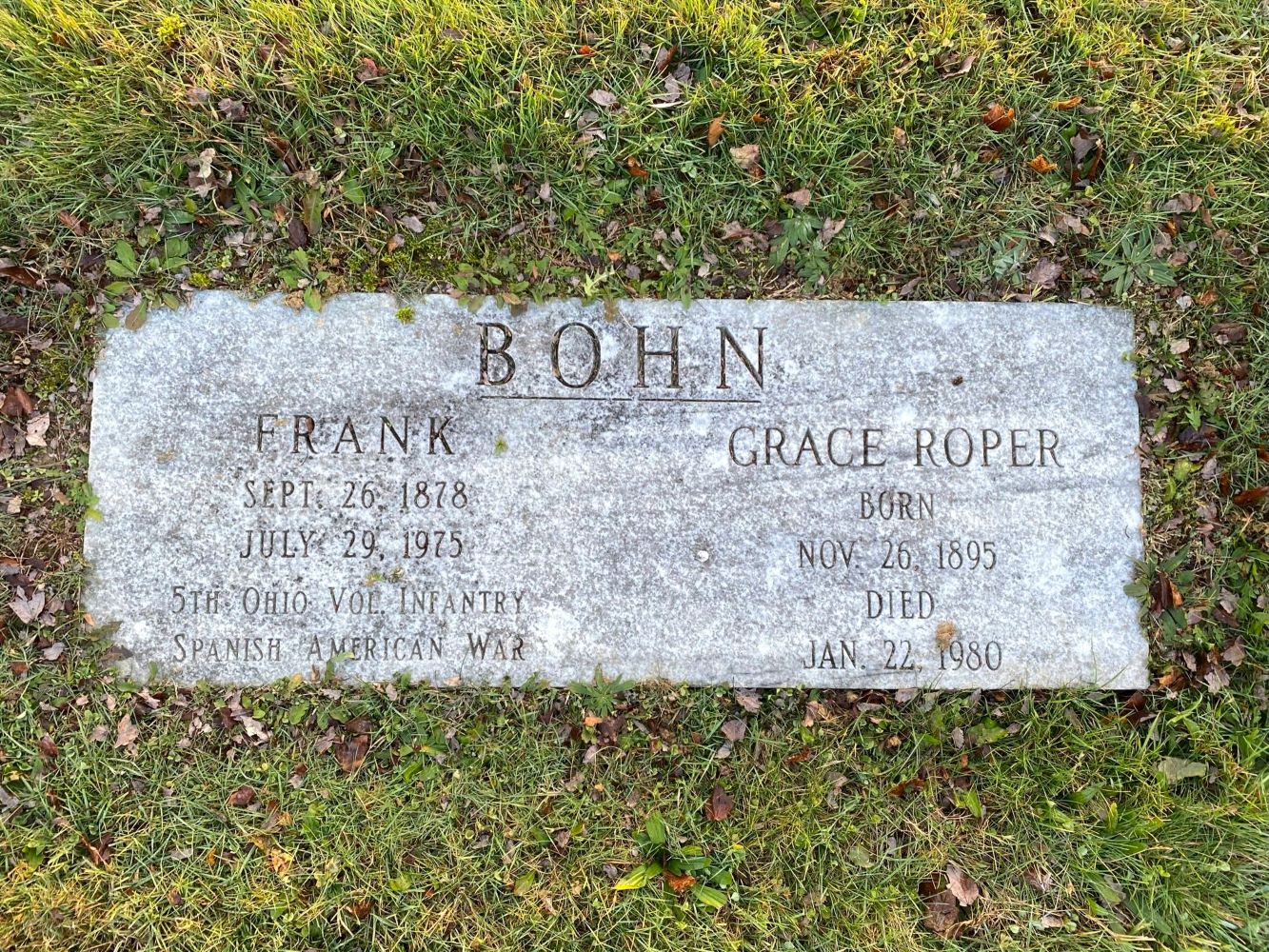
Like too many, even among those who had traditionally aligned with the Left Wing, Bohn broke with the class solidarity at the heart of his entire political career by believing ‘German militarism’ the greatest threat to progress, Bohn joined the pro-war Preparedness Movement. The anti-militarist position of the Socialist Party won at the 1917 St. Louis Convention led Bohn to quit the S.P., moving to the A.F.L. social-patriotic for the American Alliance for Labor and Democracy. After the war, Bonn joined the National Non Partisan League and took increasingly nationalist positions, though remained part of the labor movement. He lived until 1975, and exemplifies the shocking and tragic betrayal of so many who were among the finest champions of the class and stalwart advocates internationalism and solidarity succumbing to the class-collaboration inherent and necessary in the wars waged by capital. Frank Bohn was a comrade of immense talents, who despite his later betrayals, in his revolutionary years contributed greatly to the liberation of our class.
 Revolution's Newsstand