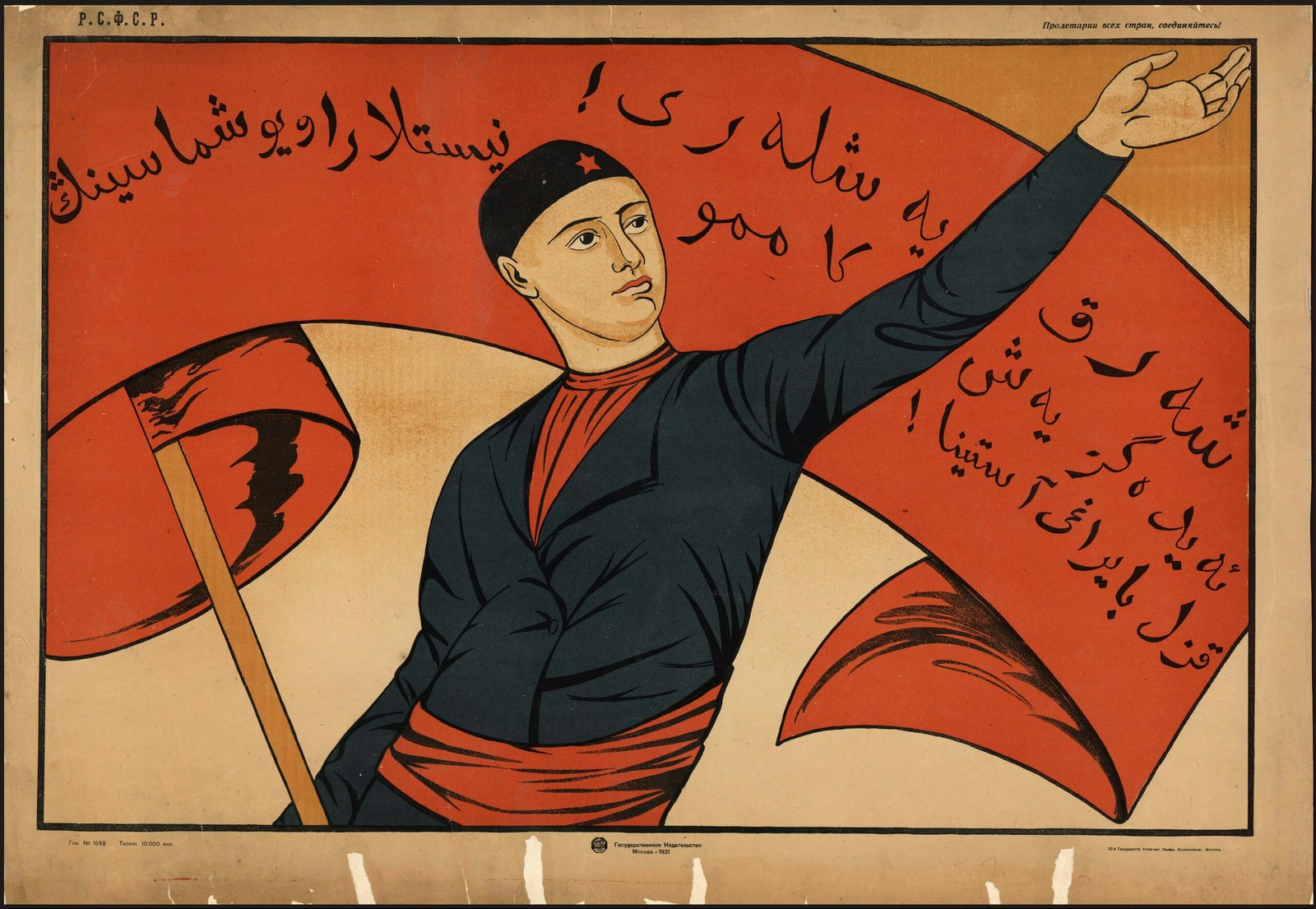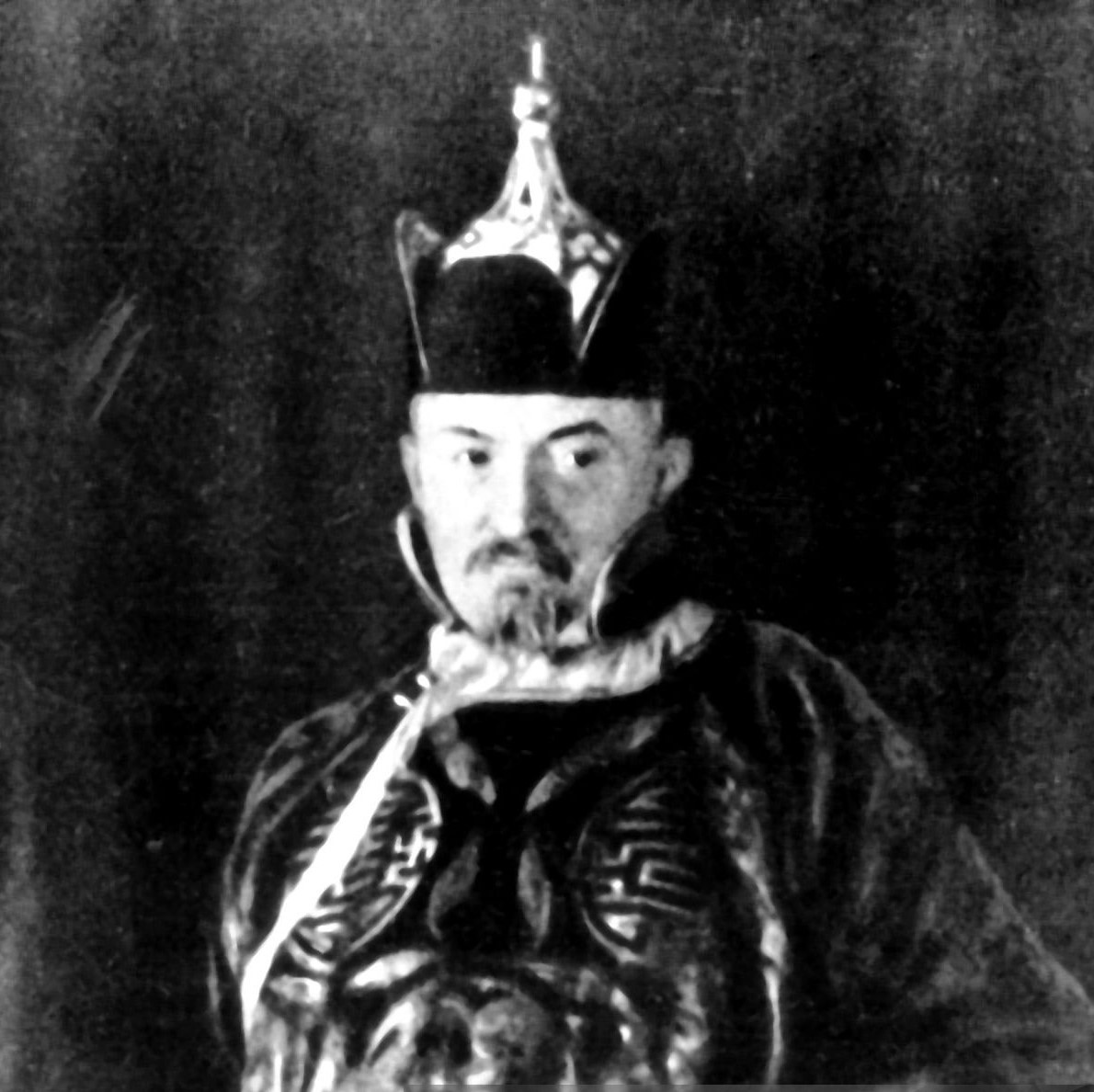
Commissar of Foreign Affairs Chicherin with this valuable report on the work of his ministry for 1921, notably the evacuation of Persia by Britain and a treaty with the new regime, the opening of relations with Afghanistan, negotiations with Turkey and Japan, and the growth of Soviet power in Central Asia.
‘A Year of Eastern Policy’ by Georgy Chicherin from Soviet Russia (New York). Vol. 6 No. 1. January, 1922.
From Pravda, November 6, 1921.
THE last year, from November, 1920 to November, 1921, shows a considerable strengthening of the national movement of the oriental peoples who are striving for complete political and economic independence. The history of all eastern states during this period offers the picture of an unceasing and continually closer approach to Soviet Russia, which has met with complete sympathy the efforts of the people of the East to strengthen and extend their economic and political life.
Negotiations between Soviet Russia and Nationalist Turkey began in 1920. The delegation of the Turkish National Assembly left Moscow in the autumn of 1920 to report to their government. Upmal, the secretary of our mission, was the first to arrive in Ángora, on November 6. At that time the relations between Turkey and Russia were somewhat troubled, because the Turkish government would not permit a mediation of Russia between Turkey and Armenia. The Turkish army of Kiasim Karabekir Pasha had occupied the line in front of Erivan after a victory over the troops of the counter-revolutionary Armenian Dashnak Government. After the proclamation of the Armenian Soviet Government, Turkey had concluded a peace with the Dashnak Government in Alexandropol, on December 2, which contained extremely severe conditions for Armenia and brought the whole country into dependence upon Turkey. This treaty was not recognized by the Armenian Soviet Government nor by the allied Soviet Republics, and its alteration constituted the subject of negotiations between Russia and Turkey. At the same time, however, the negotiations for a political agreement between the two states were also continued. But Turkey was also negotiating with the Entente states. The first months of 1921 were filled up with these parallel negotiations. The Turkish delegations in London from Constantinople and Angora demanded without success that an alteration should be made in the treaty of Sevres which had made impossible any development of the Turkish people.
On March 7, Bekir Sami Bey, the chairman of the Turkish delegation in London, concluded an agreement with France, under which the French were to withdraw from Cilicia. However, this agreement cost Turkey great concessions. On March 13 he concluded a similar agreement with Italy. In April both of these agreements were annulled by the Turkish National Assembly and Bekir Sami Bey resigned from his post as Minister for Foreign Affairs.
In the meantime, however, the Turkish Ambassador Ali Fuad Pasha and the Turkish peace delegation, with Jussuf Kemal Bey at the head, arrived in Moscow on February 2. On March 16 a treaty was concluded in Moscow which strengthened the friendly relations between the two countries and gave them a firm basis. Batum was left to Georgia, Kars, Ardagan and Arvin passed into the possession of Turkey. On May 3 Nazerenus was named Ambassador of the R.S.F.S.R. in Angora. His arrival in Angora facilitated the solution of the conflict in connection with the oppression to which the Russian population of the district of Kars was exposed.
Turkey Aids Famine Work
Recent months have been marked by the severe famine in Russia, in combating which the Turkish government has taken part by contributing grain and food for the famine district. During these months the Turkish people had to suffer the severe trial of the Greek offensive. Greece, which had received great support in money and munitions from the Entente, was able to send an army against Turkey much more numerous than the Turkish troops. Thanks to the heroism of the Turkish troops, Mustapha Kemal succeeded in administering a decisive defeat to the Greek army on the River Sakaria not far from Angora and forced them well back to the west. On October 20 the negotiations began between Turkey and Franklin-Bouillon, who had arrived in Angora, which led to an agreement by which Turkish troops must evacuate Cilicia.
In a very serious moment for Turkey, during the Greek offensive, the Ukrainian Soviet Government proposed to send Comrade Frunse to Angora as a delegate of the Ukrainian Soviet Republic, to negotiate the conclusion of a treaty between Turkey and Ukraine. Frunse is now on the way to Angora. The Moscow Treaty provides for the conclusion of treaties between Turkey and the Caucasian Soviet Republics. The conference of the representatives of Turkey, Russia and the three Caucasian Soviet republics began on September 26 in Kars and was concluded on October 10, with the signature of a treaty which regulated all disputed points between Turkey on the one hand and Georgia, Armenia, and Azerbaijan on the other hand.
Relations with Persia
In Persia, the third anniversary of the October Revolution coincided with a radical alteration in the political relations to Soviet Russia. On October 22, 1920, the Central Committee of the Communist Party of Iran adopted the resolution that the revolution in Persia must still pass through the stage of the bourgeois revolution.
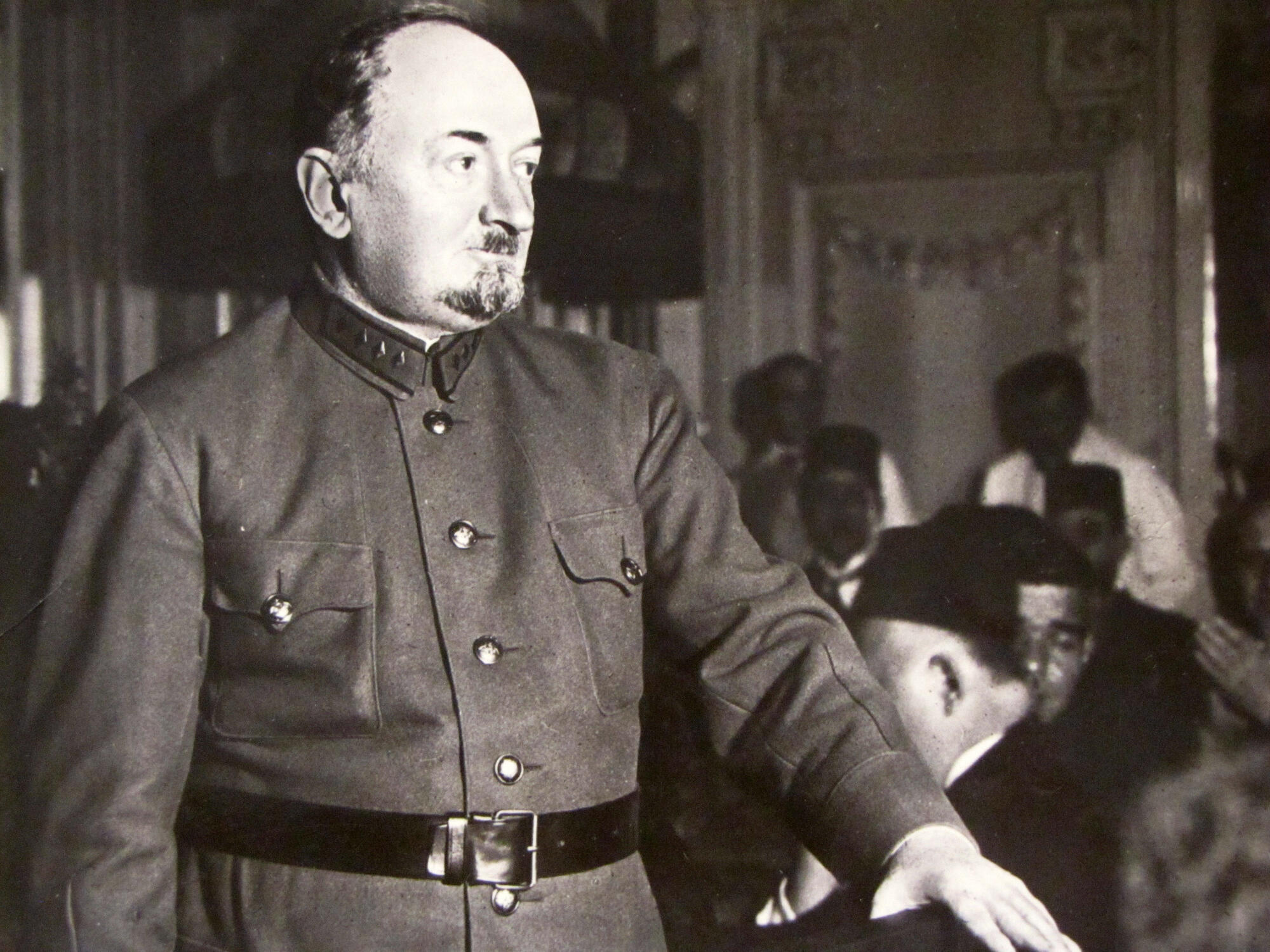
An end was thus put to the efforts to introduce the Communist regime in Persia, which proceeded from the local Soviet Government in Giljan. On October 25 the Ambassador of the Persian Government, Moscharevol Memalek, left Baku for Moscow, and there began negotiations for the conclusion of a treaty between the Russian and Persian Governments. Just at this time English diplomacy was making every effort to move Persia to submit to the Anglo-Persian treaty which had been concluded earlier by the government of Wossuk ul Dowles. On October 27 the Democratic cabinet of Mushir ed Dowles, who was an opponent of the Anglo-Persian treaty, refused the demand of the English that the Russian officers who were serving in the Persian Cossack government should be discharged and Mushir ed Dowles resigned. His successor Sepakhdar removed the Russian officers but could not bring himself to summon the Medshlis and submit the Anglo-Persian treaty to them for ratification, although he gave England the assurance that the treaty would soon be ratified.
The extraordinarily favorable course which was taken by the negotiations in Moscow exercised the greatest influence upon the internal political life of Persia. On January 6 we received a telegram that the Persian Government was agreeable to the appointment of Rothstein as Russian representative in Teheran. On January 23 Karakhan handed the Persian ambassador a note in which he explained the grounds which prevented the Republic of Azerbaijan from withdrawing its troops from Giljan and which contained the statement that Azerbaijan would withdraw its troops immediately when the English should have left Persia. The anglophile Sepakhdar summoned the Medshlis for February 2, in order to put through the ratification of the Anglo-Persian treaty. But there was no ratification on February 2. On February 21 Teheran was captured by the Persian cossacks of Risa Kahn and the members of the Sepakhdar cabinet were arrested.
On February 26 the new cabinet of Zia Eddin published a proclamation in which the Anglo-Persian treaty was annulled and a plan for domestic reform proposed. On the same day the Russian-Persian treaty was signed in Moscow, which signified a radical liquidation of the former Tsarist policy towards Persia.
Evacuation of Persia by the English
On April 13 a radio from London announced that the evacuation of the English troops from northern Persia would be completed in the middle of May. At the same time as the evacuation of the English troops the evacuation of the troops of Azerbaijan began. On April 25 Rothstein, the representative of the R.S.F.S.R., arrived in in Teheran.
In spite of the annulment of the Anglo-Persian treaty the cabinet of Zia Eddin pursued an anglophile policy and this led to his fall on May 24. On June 4 the new cabinet with Hawam es Sultaneh at the head had been formed. Zia Eddin went by motor car to the English in Bagdad. On June 22 the Medshlis (Persian National Assembly) was opened. But there was no more question of a ratification of the Anglo-Persian treaty.
On July 13 the delegation of the Commissariat for Foreign Trade with Belgov at the head left for Persia. At this time the evacuation of the Soviet troops from Giljan had already ended. The insurgents still maintained themselves there by their own power. The Persian Government charged the Government of Azerbaijan with supporting the insurgents in Giljan. The Government of Azerbaijan denied this officially and the Persian consul in Baku expressed his official approval of the correctness of the attitude of the Government of Azerbaijan.
After the withdrawal of the English troops from Persia the English instructors were removed during the ministry of Hawam es Sultaneh and on September 18 the English financial advisor left for England. In October the struggle between the leaders of the insurgents in Giljan began, the majority of whom concluded peace with the Persian Government. On October 30 the front in Giljan was finally liquidated and those insurgents who did not wish to submit to the Persian Government went to Azerbaijan.
The opening of the way to Persia over the northern provinces now eased the relations between Persia and Russia very much. The Persian Government in the same way as the Turkish has contributed food for the hunger sufferers in the Volga District.
Russia and Afghanistan
In the relations between Russia and Afghanistan the conclusion of a treaty played the chief role during the whole of the past year. On September 1 a projected treaty was signed by Suriz, the Russian representative, and the Afghan Government in Kabul. In the year 1921 an English mission under Henry Dobbs arrived in Kabul and proposed the conclusion of a treaty between England and Afghanistan. The English proposed to the Afghans that they should give no further aid to the inhabitants of India, who were in continual revolt. Оn their side the English wished to grant material aid to Afghanistan and to make good all the losses it had suffered during the Anglo-Afghan war in 1919. In reply the Afghans made the demand for a plebiscite in the Indian districts along the frontier.
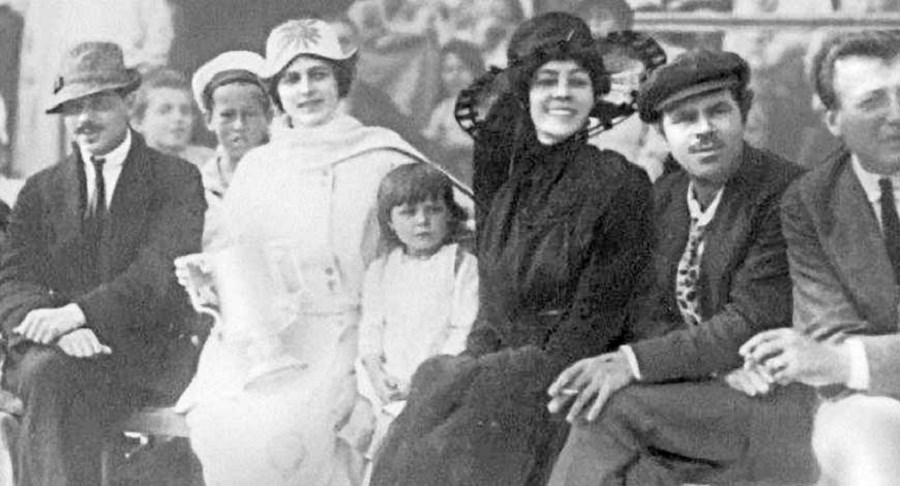
On February 28 the Russian-Afghan treaty was approved by the Russian Government and the Afghan plenipotentiary in Moscow.
In the spring of 1921 great domestic reforms began in Afghanistan, such as the codification of the laws, laws concerning the abolition of slavery creation of land laws, etc., The Afghan Government is striving to develop industry and to raise the level of the culture of the country.
During the following months Henry Dobbs continued his struggle against the Russian-Afghan treaty. In spite of his efforts the exchange of ratifications took place in Kabul.
On July 16 Raskolnikov, the new representative of Russia, arrived in Kabul and was given an extraordinarily hearty reception. The Dobbs mission left Kabul in September and returned to London.
In Bokhara and Khorasin (Khiva) a steady consolidation of the Soviet power was to be observed. On October 6, 1920, the first All-Bokharian Soviet Kurultai (Soviet congress) was summoned.
On March 4 a treaty of alliance and an economic agreement was concluded between Russia and Bokhara. The second All-Bokharian Kurultai was opened on September 20, 1921.
Soviet Russia carries on diplomatic relations also with the great Chinese Republic. On February 3 the Chinese Consul Tseng Kuang Ping arrived in Moscow. The Chinese Government had pronounced itself in principle in favor of the visit of a Soviet representative to Pekin. The details of this question have been examined during the whole of the recent period. On October 24 the Chinese Consul announced that his Government recognized the Russian Commercial Delegation and on the same day Paikes, the delegate of the Russian Government, left for China.
The Republic of the Far East had already resumed diplomatic relations with China in September, 1920, when its representative Yurin arrived in Pekin.
The Japanese at Vladivostok
On May 26 a rising took place in Vladivostok, with Japanese help. With their aid the reactionary Merkulov government was set up. At the time the White Guard leader Baron Ungern who held Mongolia and who was in close touch with Japan led his troops against the Republic of the Far East and against the troops of the Soviet Government. The People’s Revolutionary Government of Mongolia, which had been formed on Russian territory during the rule of Ungern in the former country, and had created a revolutionary army, carried on a struggle against the White Guards in close alliance with Soviet Russia and the Republic of the Far East.
The troops of these three powers defeated the troops of Ungern and captured Ugra, the capital. In July the revolutionary government of Mongolia requested Soviet Russia to leave its troops in Mongolia until the final liquidation of the danger from abroad. On August 10 the Soviet Government declared its willingness to meet this wish. On September 10 the Soviet Government declared its willingness to undertake the role of intermediary between Mongolia and China. On October 26, with the arrival of the Mongolian Delegation in Moscow, negotiations began for the conclusion of a treaty of a friendship between the two states. At the present moment there are still White Guard bands in the western districts of Mongolia, which is a huge territory. The struggle against them is being continued successfully.
Negotiations with Japan
For the first time since the November Revolution we had an opportunity for direct negotiations with Japan. On August 26 negotiations began in Dairen between the Republic of the Far East and Japan over the withdrawal of the Japanese troops from the Primoria district and the setting up of economic relations. The Republic of the Far East made the condition that a Russian representative should take part in these negotiations. The Japanese Government was prepared to enter into negotiations with the Russian Delegation on questions which interest both governments. On October 24 Markhlevski, the representative of the R.S.F.S.R., left to take part in the conference with Japan.
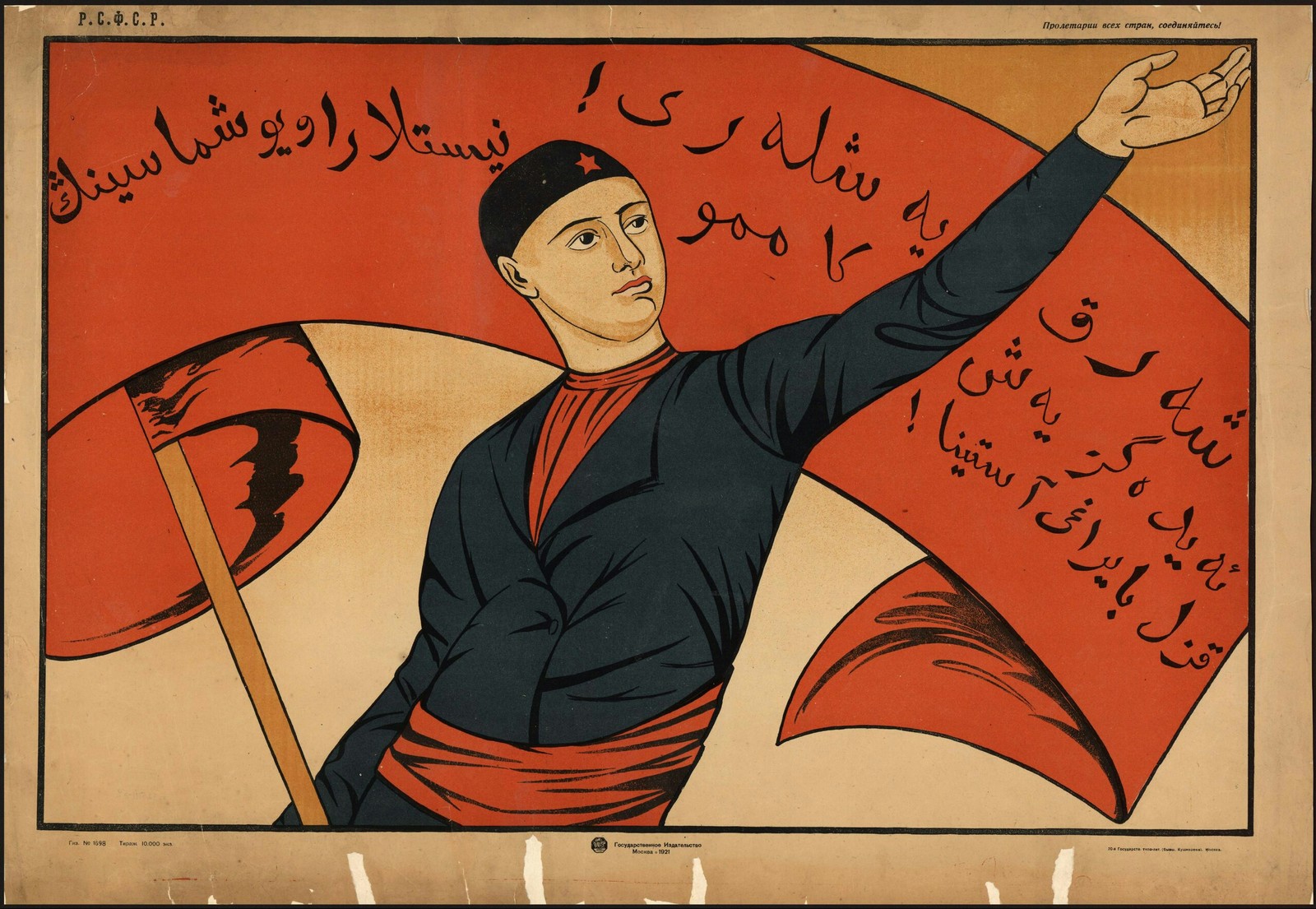
Wherever we turn in Asia, a strengthening of the relations of the oriental states with Soviet Russia, or an important approach to friendship, is taking place. The peoples of the East recognize more and more that Soviet Russia is an unselfish friend, who sympathizes with their efforts for the deepening and strengthening of their independent economic and political life.
Soviet Russia began in the summer of 1919, published by the Bureau of Information of Soviet Russia and replaced The Weekly Bulletin of the Bureau of Information of Soviet Russia. In lieu of an Embassy the Russian Soviet Government Bureau was the official voice of the Soviets in the US. Soviet Russia was published as the official organ of the RSGB until February 1922 when Soviet Russia became to the official organ of The Friends of Soviet Russia, becoming Soviet Russia Pictorial in 1923. There is no better US-published source for information on the Soviet state at this time, and includes official statements, articles by prominent Bolsheviks, data on the Soviet economy, weekly reports on the wars for survival the Soviets were engaged in, as well as efforts to in the US to lift the blockade and begin trade with the emerging Soviet Union.
PDF of full issue: https://www.marxists.org/history/usa/pubs/srp/v6-7-soviet-russia%20Jan-Dec%201922.pdf
 Revolution's Newsstand