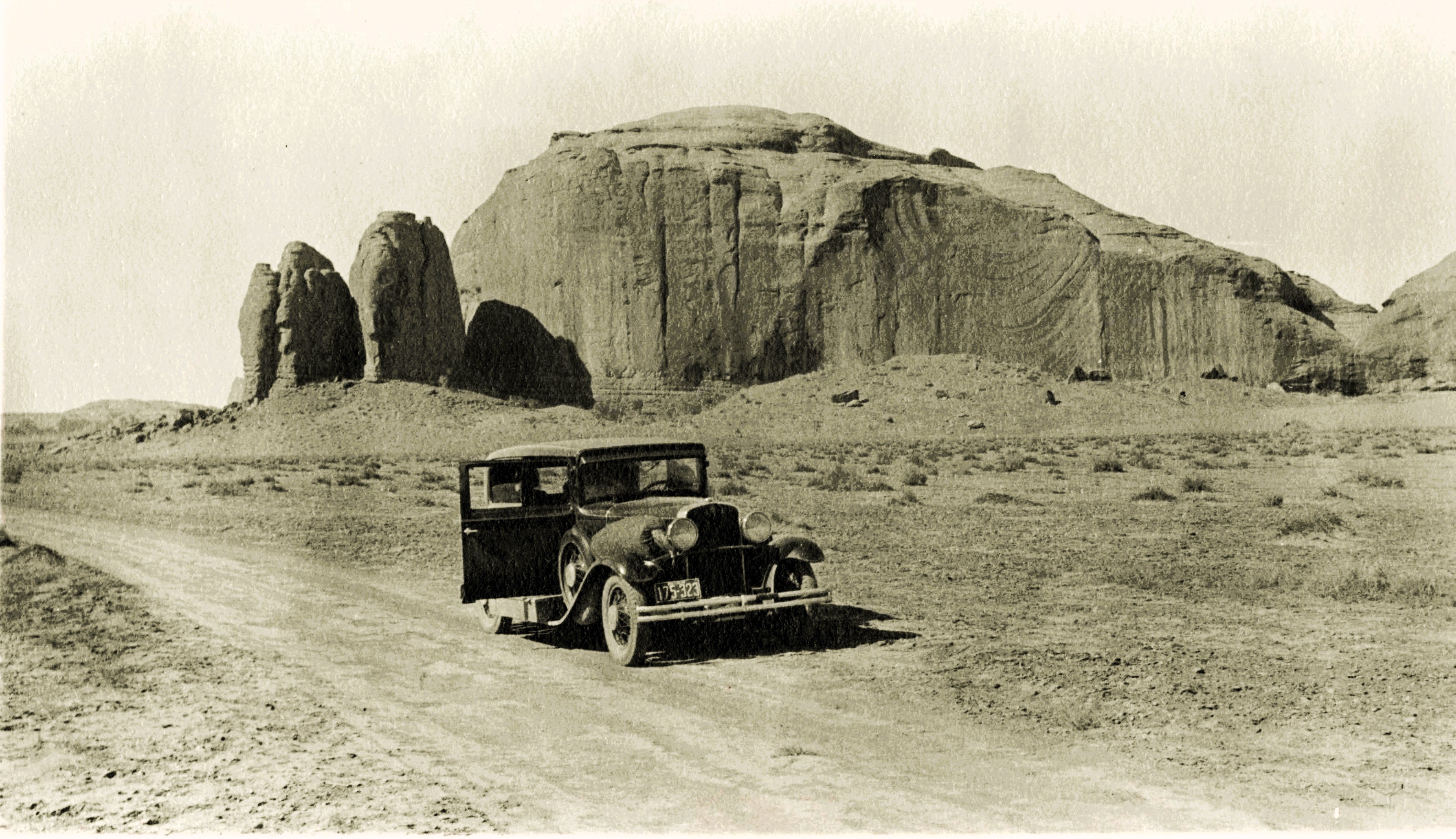
In 1928, a Black Communist and his two white comrades travel in a flivver, a banger of an automobile, around the sparsely-populated Jim Crow state of Arizona collecting signatures to put the Communist Party on the ballot.
‘A Signature Drive in Arizona’ by Frank R. Logan from The Daily Worker. Vol. 5 No. 202. August 25, 1928.
(The following story is an interesting account of how three comrades–Saul, O’Brien, and Logan–toured the State of Arizona in a flivver to collect the necessary number of signatures to put the Workers (Communist) Party ticket on the ballot. The job was accomplished, and then Comrade Logan sat down and sent in the following intriguing narrative. Editor.)

Phoenix, Arizona. Comrade Saul arrived in Phoenix 11:30 p.m., August 3rd. He went to Comrade O’Brien’s home, where he spent the night. The next morning Comrades O’Brien and Saul came to my room and pulled me from my bed, and in a very few minutes I was dressed and ready to go. After our breakfast, Comrade O’Brien went to work, leaving us with the understanding that he would get permission to join us at 12:30. Comrade Saul and I went to the State Capitol to get the required number of signers that we had to get from each county and to get a copy of the election laws. We then went to Comrade O’Brien’s home and had dinner. Comrade O’Brien overhauled his flivver, after which we put some cots in, so we would have beds to sleep on.
At 8 o’clock we left Phoenix for Superior, which is 78 miles from Phoenix. and arrived there about 11: 30. We got a small number of signatures Saturday night. After all of the people had left the streets, we decided that we should pitch our tents and lie down. Comrade Saul and I slept somewhat cold, not being used to the climate in the mountains. We left Superior for Miami, 21 miles distant. We reached Miami at 9 p.m. Sunday evening, and started to work. Everything looked very gloomy, as it seemed that it would be impossible to get the required number of signatures from Gila County (we thought 90 was the required number). We worked until 11 o’clock, and obtained only three signers. We all met at a certain place as per agreement, and then drove outside of town, where we had the use of a natural camp-ground.
“No Negroes Here.”
After a good night’s rest we awoke at 6:30 o’clock. We went for breakfast to a Greek cafe, where I was refused service at the table but was invited to the kitchen, because of my being a Negro. I rejected this offer, and we found a cafe a short distance away where we all had breakfast. We then started out to get the signatures, and although it seemed an impossible task, by about 2 o’clock we had the required number.

After lunch we left for Safford, which is in Graham County, 95 miles southeast. We arrived there at 10:30, got a number of signatures by 11 o’clock, and decided to call it a day. We were able to drive out a few blocks to accommodate ourselves with another natural campground. Safford is a town of Mormons (hicks). We were up at six o’clock, and went for breakfast at a cafe operated by the so-called lily-white A. By instruction I was told that I could not get service there because of my color, and I said that I was born here and not colored. Yet this lily-white Caucasian refused through his little hick waitress, who doesn’t know whether she lives on earth or exists on some unexplored planet. Nevertheless we found a cafe where all were served.
Get Signatures
Comrade O’Brien went to the County Hall to find out the required number of signatures to complete the list from Graham County. Comrade Saul and I went right ahead with getting signers. Everyone seemed to be somewhat indifferent, but we overcame all of the objections, one by one, until we got the required number. It was then about one o’clock, and we made our affidavits and ate lunch. We then (1:30 o’clock) went over and started the flivver for our next long drive of 185 miles to Tucson, which is in Pima County,
We had a hard job in front of us, but we never thought about the job as we went on. We just wanted to get to Tucson, so we would be able to get started. We arrived in Tucson at 9:00 o’clock, had supper and then worked until 11 o’clock. We went out to look for another free campground, which we found. We slept a little longer the next morning, as we were very tired, but got up at seven, had breakfast, and went to Comrade McFadden and Lewe’s home. They gave us their support by helping to get signers. Without their support it would have been almost impossible to get the required number of signatures. Also Comrade McFadden gave a donation of $11.50 to the cause. By about 9:30 p.m. we had the required number of signatures. Comrade McFadden got in touch with a notary, and by 11:30 p.m. we had our affidavits made.
After a short rest we left for Superior to get other affidavits made. After driving all night we reached Superior about 8:30 in the morning. We ate breakfast and then got busy and found an ex-I.W.W., who made the affidavits. We left for Phoenix, and arrived there at 3:30 p.m. We decided to file the papers the next day, which was the tenth. I went home, and Com. Saul spent the night with Com. O’Brien.
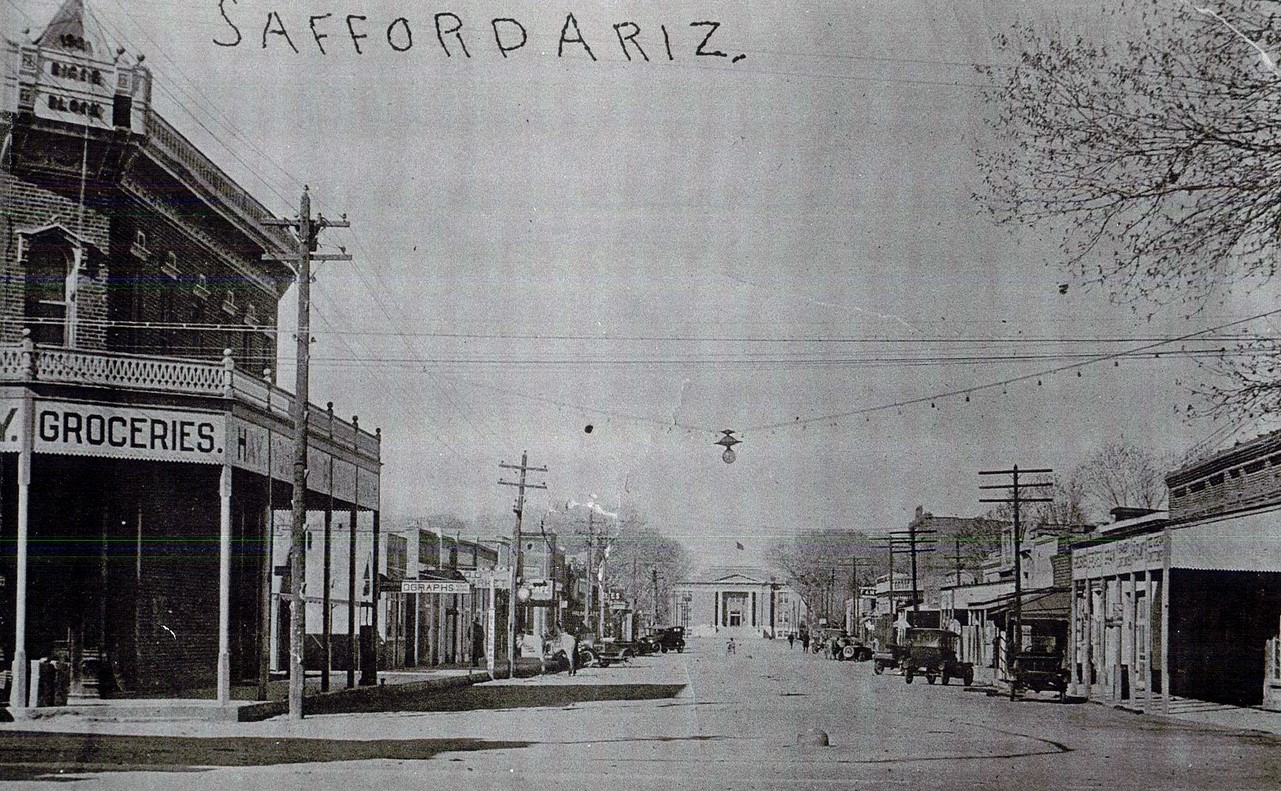
Friday morning, August 10th, we went to the capitol to file the papers with the secretary of state. When we got there, we found that the assistant secretary took care of these matters. As he was out, we had to wait for him about two hours. When he did come, he told us that we should go down and see the attorney general. The latter was out, and would return at 2:30. After eating our lunch we returned to the attorney general’s office. Upon checking up, we found that we needed 38 more signers from Gila county. They were somewhat hostile toward us, but we knew the election laws and went right ahead.
The Daily Worker began in 1924 and was published in New York City by the Communist Party US and its predecessor organizations. Among the most long-lasting and important left publications in US history, it had a circulation of 35,000 at its peak. The Daily Worker came from The Ohio Socialist, published by the Left Wing-dominated Socialist Party of Ohio in Cleveland from 1917 to November 1919, when it became became The Toiler, paper of the Communist Labor Party. In December 1921 the above-ground Workers Party of America merged the Toiler with the paper Workers Council to found The Worker, which became The Daily Worker beginning January 13, 1924. National and City (New York and environs) editions exist.
PDF of full issue: https://www.marxists.org/history/usa/pubs/dailyworker/1928/1928-ny/v05-n202-NY-aug-25-1928-DW-LOC.pdf
 Revolution's Newsstand