
The Cannery and Agricultural Workers’ Industrial Union was a T.U.U.L. project in the early 1930s. In a discussion piece, a comrade relates some of the difficulties building the union in the industry around San Jose, and offers suggestions for improving work.
‘Building the Cannery and Agricultural Workers Industrial League in San Jose’ by Dick Durant from Western Worker. Vol. 1 No. 13. July 1, 1932.
Altho the main industry in this Section is cannery, practically no real effort had been made to organize the cannery and agricultural workers in this Section since last summer’s strike until recently. No systematic follow-up was made after last year’s struggle; with the result that only one member was kept for the Party and not a single one stayed in A.W.I.L. Passivity and pessimism has been responsible for our not having a strong movement in this Section.
Our methods of work were wrong. The practice of running from town to town holding mass meetings and making all kinds of reckless statements and promises not keeping appointments with workers and not organizing definite committees to carry on the work, served to make our organization look ridiculous in the eyes of the workers.
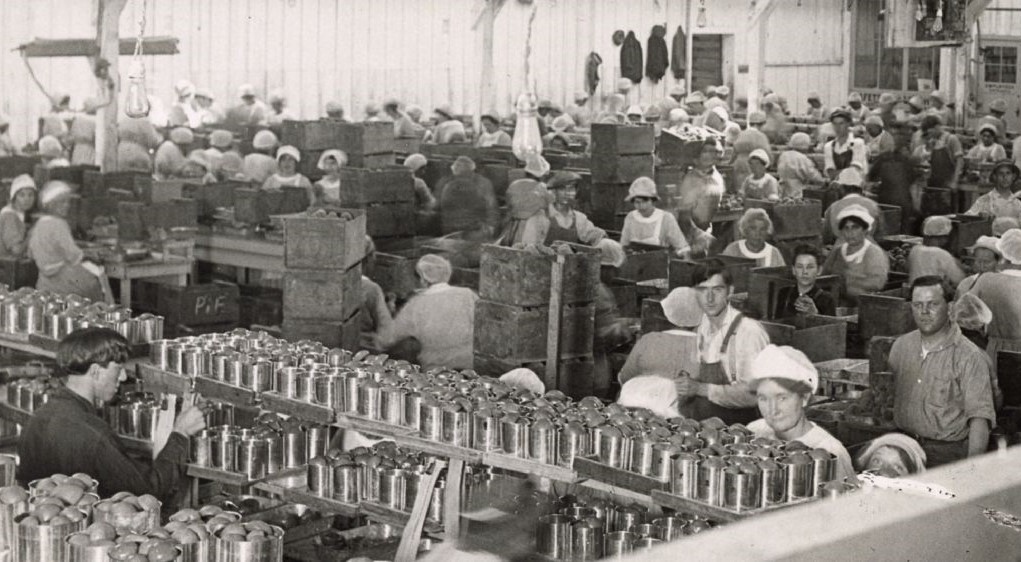
Up till 3 months ago nothing was stirring as far as Trade Union work in this Section was concerned. The District Office finally decided to send an Organizer into this territory. By carrying on some real active work we have been able to organize 4 locals of the Cannery and Agricultural Workers with a total membership of 150 members in the following places: One in Half Moon Bay, 2 locals in Mountain View, and one in Castroville. Over $20.00 has been paid in initiations and dues. This is significant when one takes into consideration that these workers are mostly unemployed and part time workers, and are paid extremely low wages. These dues and initiation payments show that the workers believe in our Organization and are willing to back it up with their hard earned pennies. The fact that we were able to organize the Half Moon Bay Local in the face of the mobilization of armed Deputies from San Mateo, and after these gunmen had warned the workers to “stay away from the agitators and Reds” is proof that the workers are willing to join our organization, even in the face of terror and lies.
Altho we have made a good beginning, we have many shortcomings which must be overcome if we are to get anywhere. Here are some of them:
1. We have not yet reached the White American workers.
2. We do not follow up situations as quickly as we should. I refer to the Watsonville lettuce strike, where after arranging a meeting with the leaders of the strike, our comrades let the opportunity die down without getting any definite organizational results from it.
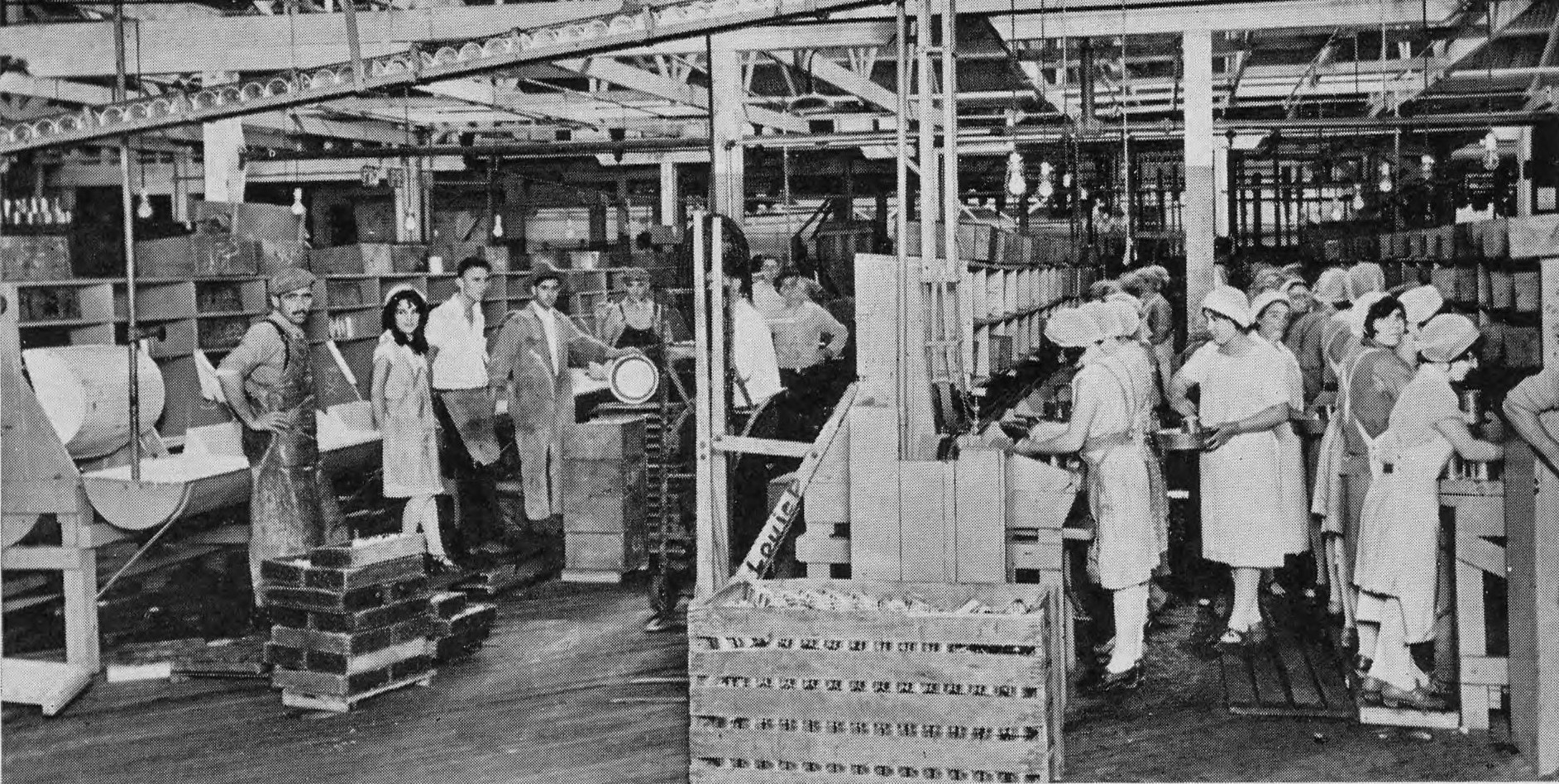
In contrast with this is the way we worked in Half Moon Bay where we immediately organized a Local of 35 members, organized an executive committee and delegates, and worked out a plan of action.
3. No collective leadership. (The locals in Half Moon Bay and Castroville were organized by only one comrade).
4. Not enough personal follow-up. (Meeting with locals to help them with their work).
5. No local yet organized in San Jose. (Altho some activity is being carried on with the reactionary labor organization).
Following are some of the most immediate tasks which we must carry out to strengthen our work:
1. Developing a collective leadership by drawing in new members into leadership.
2. Drawing into the union all nationalities, especially Americans and Filipinos. (Since most of our members at the present time are Spanish or Mexicans, there is a danger of becoming isolated from the rest of the workers).
3. Drawing into leadership, Filipinos, Americans, women and youth.
4. Practical discussions in the meetings, for instance, immediate grievances, such as abolition of the bonus system, contractors abuses, discriminations, etc., drawing up of immediate demands so as to have a basis to work from; need of organizing Filipino, American, women and youth into the union; setting of perspective (if possible, best time for striking).
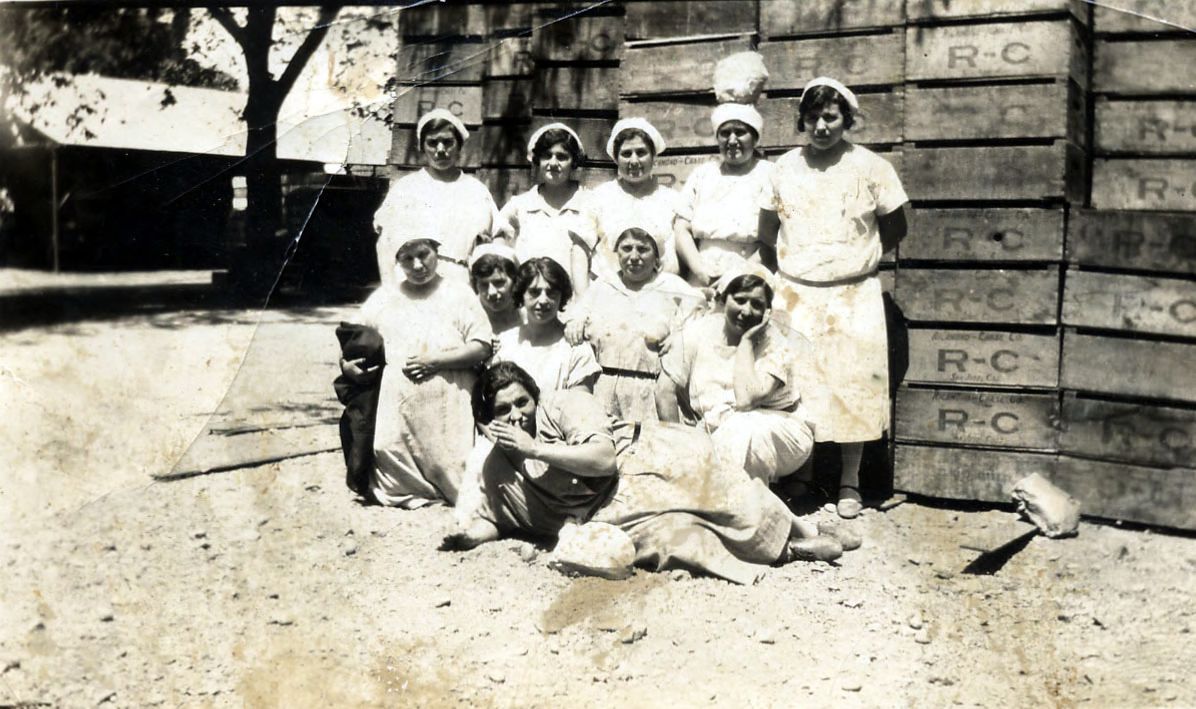
5. Visiting locals regularly by the Organizer to help them with their work. This can partly be solved by securing an auto, since the distances are too great to cover on time by foot).
6. Clarifying membership as to function of farm committees, etc.
7. Publication of an AWIL bulletin with Spanish section in it.
8. Establishing practice of locals sending in reports to section center.
9. Activizing membership in collection of relief for striking Colorado beet workers, and explaining its significance.
10. Following up immediately starts made in Salinas, Watsonville and Sunnyvale.
11. Immediate independent trade union activity in San Jose.
12. Setting up by District T.U.U.L. of A.W.I.L. committee for Northern California. (If committee is impossible at present, at least a Secretary should be selected).
Western Worker was the publication of the Communist Party in the western United States, focused on the Pacific Coast, from 1933 until 1937. Originally published twice monthly in San Francisco, it grew to a weekly, then a twice-weekly and then merged with the Party’s Daily Worker on the West Coast to form the People’s Daily World which published until 1957. Its issues contain a wealth of information on Communist activity and cultural events in the west of those years.
PDF of full issue: https://www.marxists.org/history/usa/pubs/westernworker/1932/v1n13-jul-01-1932.pdf
 Revolution's Newsstand