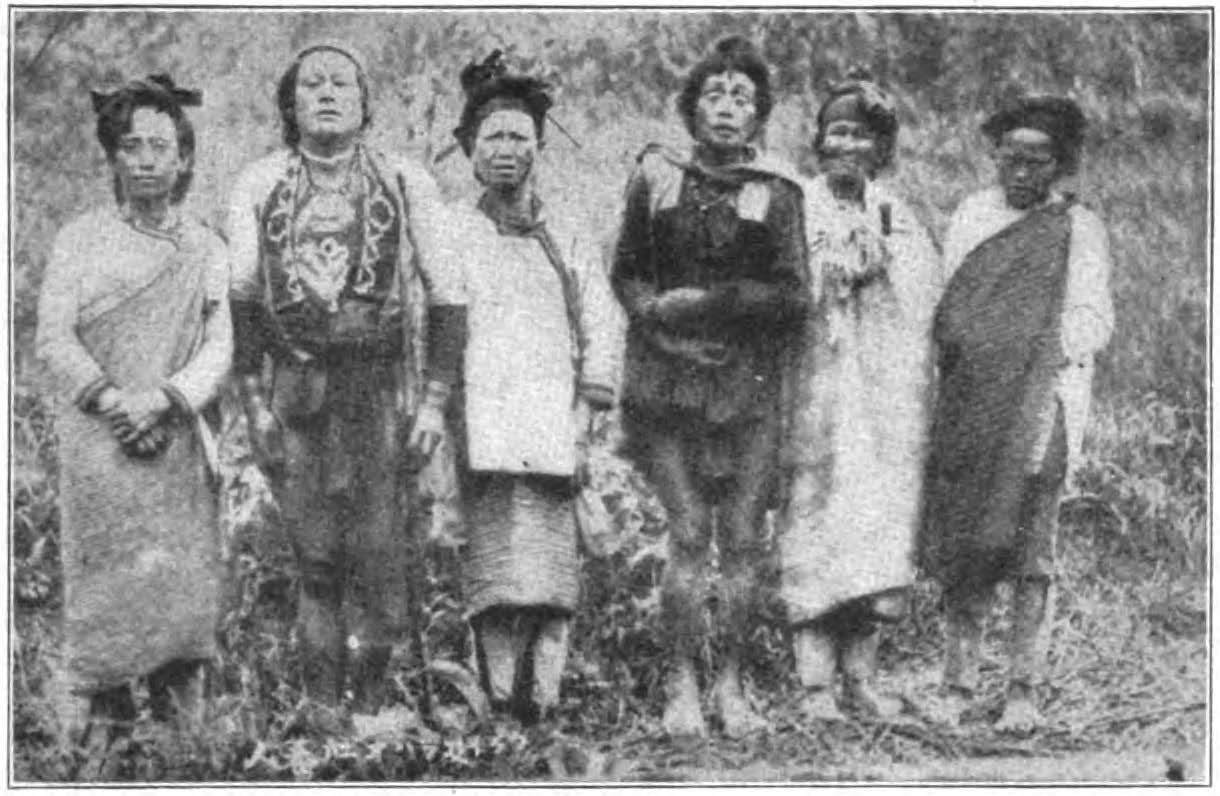
Katayama on the brutalities of a voracious Japanese colonialism in what is today’s Taiwan.
‘How Japan Is Civilizing Formosa’ by Sen Katayama from International Socialist Review. Vol. 14 No. 12. June, 1914.
IT is nearly twenty years since Formosa became a territory of Japan. We took Formosa from China in the China-Japan war, and since then Japan has spent much money developing Formosa and educating the natives into what she thinks they ought to be.
The island of Formosa is rich in natural resources and situated in the sub-tropics. It is especially noted for its splendid forests of camphor. Oo Long, the most delicately flavored tea in the world, has made famous the Formosa tea gardens. Sugar cane is a valuable product and there are infinite areas of valuable timber lands all over the mountains, while oil wells and priceless minerals are richly deposited over the island. Formosa salt is to be had for the mere gathering on the sea shore, and rice crops are harvested twice a year. Already the fertility of Formosa is affecting prices in Japan.
There are now three races in Formosa, the remaining Chinese, Japanese and the natives of the island. All speak different languages and have different ideas and customs.
The aborigines are comparatively small in number now, but they still remain unbroken. Their ferocity toward the invaders knows no bounds in many cases. Few clothes they wear and no shoes, and they clamber up and down the steepest mountain slopes like monkeys, over sheer crags that no one else can scale.
At first the Formosans welcomed the Japanese, who promised to drive out their enemies, the Chinese. While the Japs were expelling the Chinese, the natives gave them every assistance and obeyed the Japanese faithfully. But when the rebels were pacified the Chinese were not driven from the island and Japan began at once to encroach on the territory of the Natives. Trees were felled and forests laid low. The ground was cleared and many Japanese gallants hunted the native girls to satisfy their sex depravity.
These aggressions and the debaucheries of the Japs among the native women caused a violent revolt against Japanese authority. It has been said that a native Formosan never fails to miss killing an enemy when he lifts his gun. The Japanese who have been on the island speak of their marksmanship with something very like awe.
Relentless war was declared on the Japs, who were encroaching more and more every day. A sortie of natives would rush madly down the mountain slopes, fire a volley into a group of toiling Japanese and scamper off over the rocks before anybody could return the onslaught. Often a lithe native would toss his life in his hands by stopping to decapitate an enemy and bear off the trophy to a sweetheart waiting for him in the mountain fastnesses.
The Formosans became so feared and dreaded by the Japanese that the progress of the “great nation” was vastly retarded, and at this time the Japanese government voted a fund of 15,000,000 yen (nearly eight million dollars) for the total extinction of the natives.
And year by year the mighty empire has advanced, ranging the mountains with machine guns and step by step advancing into the mountains with electrified or live wires so that, once laid, the Formosans were unable to pass alive. Gradually the territory remaining has been circumscribed. But from the depths of dark nights a flying group of avengers still occasionally work the old miracle and leap from the mountain forests to exterminate a few barbarous Japanese officials, when they again flee away to their lofty hiding places.
The Formosans are among the most noble, intelligent, kindly and moral natives. They asked only to be left in peace to spend their days in their native land, as their fathers had done. But Japan is so eager to grab the profits that will accrue from the peaceful possession of the entire island that she has, by her cruelty and greed, turned these kindly people into avenging heroes of revolt.
The Formosans are of Chinese descent. They are a very industrious people, and have always been devoted to farming, the preparation of camphor and their own peaceful pursuits. As long as the Chinese or Japanese invaders occupied only the lowlands and the cities, they cared very little who might be nominal ruler of the island. It was systematic exploitation and enslavement against which they revolted.
The fund for the extermination of the native Formosans has been used, and now Japan is talking of another donation for further “work” along these lines.
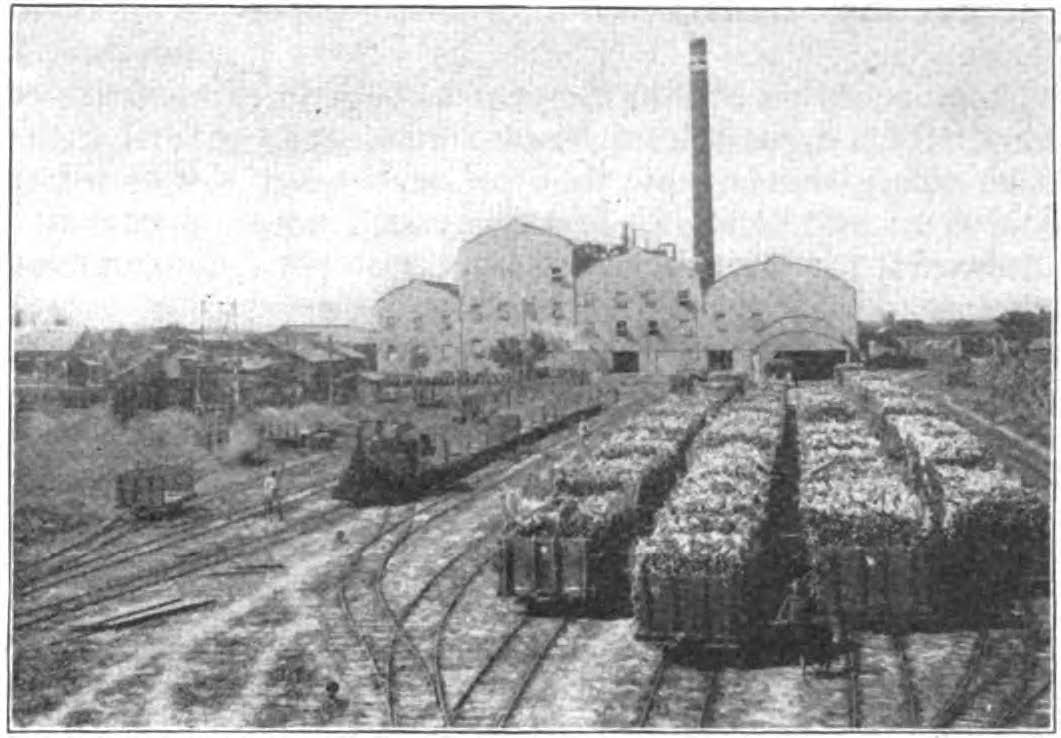
The colonial government has adopted a policy for the raising of sugar cane. The natives would willingly produce the cane on their own land, by their own labor, for their own reward. But this is not the plan off the government. Japanese capitalists are to take over the land and raise sugar cane for their own profits. It is believed these capitalists can supply the entire Japanese sugar market. The Japanese government has put a high tariff on other sugar, but gives the Japanese companies a big bounty every year. This has enriched the sugar companies and doubled the price of sugar in Japan.
At first, of course, there were a dozen new sugar companies in Formosa. Then the Japanese government allotted certain lands to each company, to which this company was confined for sugar output. Some of the companies bought the lands from the Formosans, but there has been much actual robbery on this score. You see, the Formosan farmers were compelled to sell their cane product to the company allotted their own land at the company’s OWN FIGURES. When the natives refused, Japan stepped in once more and sold the land at her own valuation.
Men who tried to escape being party to such an enforced “sale” (or theft) were shot down in their tracks. Remember, too, that the natives were FORCED TO RAISE SUGAR and sugar only.
The lot of the Formosan is indeed a hard one. Oppressed and robbed when they decide to submit to Japanese rule and till the soil, they are hunted like wild beasts and murdered when they rebel and flee to the mountains.
The natives are prohibited from sending their youth to the high schools. They have no political rights whatever. Of the 200 Formosans who have passed civil service examinations, not one has been given any appointment. They are the outcasts and conquered, the people to be set up and exploited.
As the Japanese road builders and forest layers work, they are surrounded by armed Japanese guards. At these “outposts of civilization” the rebellious Formosans retreat only when life is extinct. So many Japanese laborers have been killed that the government has made no official statistics of them. Gradually, however, the news leaked out and the hand of the dread Formosan became so feared that men refused all such government employment. Then Japan forced men into this service. Laborers were recruited by force in every village. Few of these ever return to their families.

Last fall a widespread revolt was planned by the Formosans. Arms and ammunition were secretly secured and a flag of emancipation was to be raised on the emperor’s birthday, October 31st. But the plot was discovered and many of those accused of complicity were immediately put to death. There was no appeal for any of the accused. All were doomed to be butchered. But in spite of the rivers of blood flowing through the island, a revolt arose at another point close on the heels of the first one. Perhaps it is written on the hearts of the natives: “We will die, but we will not be slaves.”
Little, of course, is positively known of the government’s attitude in these revolts, as every paper inimical to the official policy has been suppressed. All attempts to report the truth are crushed in a high-handed manner.
In Korea revolts and plots against the government have followed each other in rapid succession since the assassination of Prince Ito. Official Japan is accused of widespread bribery and corruption. Some members of our naval department are to be tried soon at the Martial Court of Crimes.
There is revolt, rebellion and restlessness everywhere, caused by the increasing capitalist exploitation. The rebels are easily caught and condemned. Capital is growing stronger every day. But the work of education is going forward also. And it is this education and organization, together with the misery of the working people, that will some day save us from bourgeois dominion.
The International Socialist Review (ISR) was published monthly in Chicago from 1900 until 1918 by Charles H. Kerr and critically loyal to the Socialist Party of America. It is one of the essential publications in U.S. left history. During the editorship of A.M. Simons it was largely theoretical and moderate. In 1908, Charles H. Kerr took over as editor with strong influence from Mary E Marcy. The magazine became the foremost proponent of the SP’s left wing growing to tens of thousands of subscribers. It remained revolutionary in outlook and anti-militarist during World War One. It liberally used photographs and images, with news, theory, arts and organizing in its pages. It articles, reports and essays are an invaluable record of the U.S. class struggle and the development of Marxism in the decades before the Soviet experience. It was closed down in government repression in 1918.
PDF of full issue: https://www.marxists.org/history/usa/pubs/isr/v14n12-jun-1914-ISR-gog-ocr.pdf
 Revolution's Newsstand