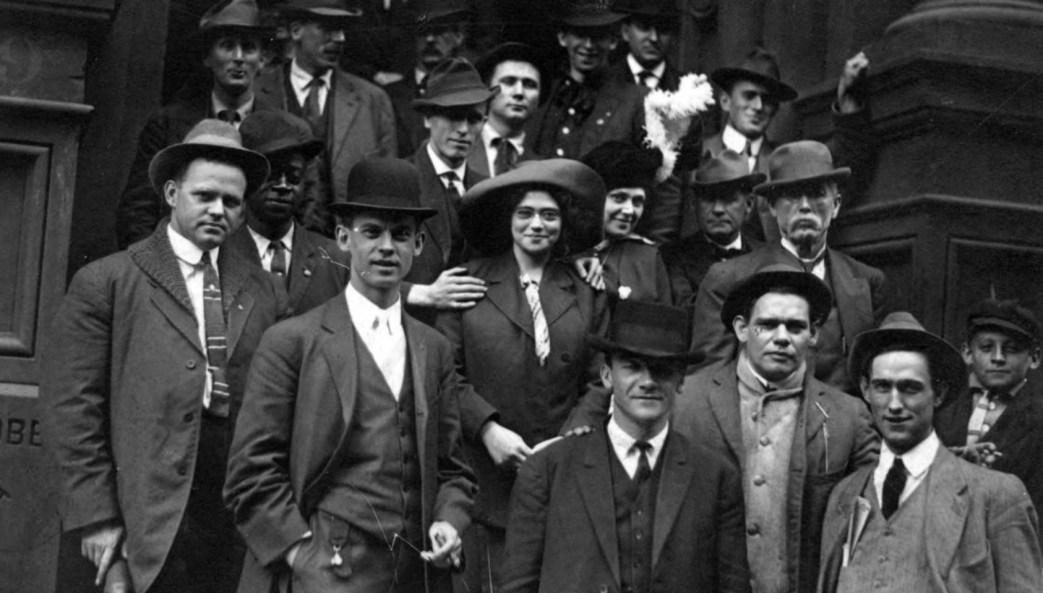
Ewald Koettggen (recorded in a variety of spellings), veteran New Jersey silk worker, I.W.W. organizer and G.E.B. member, reports on the 1913 convention in which the major dispute was around ‘centralization’ with the ‘decentralizers’ in a distinct minority.
‘The Eighth I.W.W. Convention’ by Ewald Koeltgen from International Socialist Review. Vol. 14 No. 5. November, 1913.
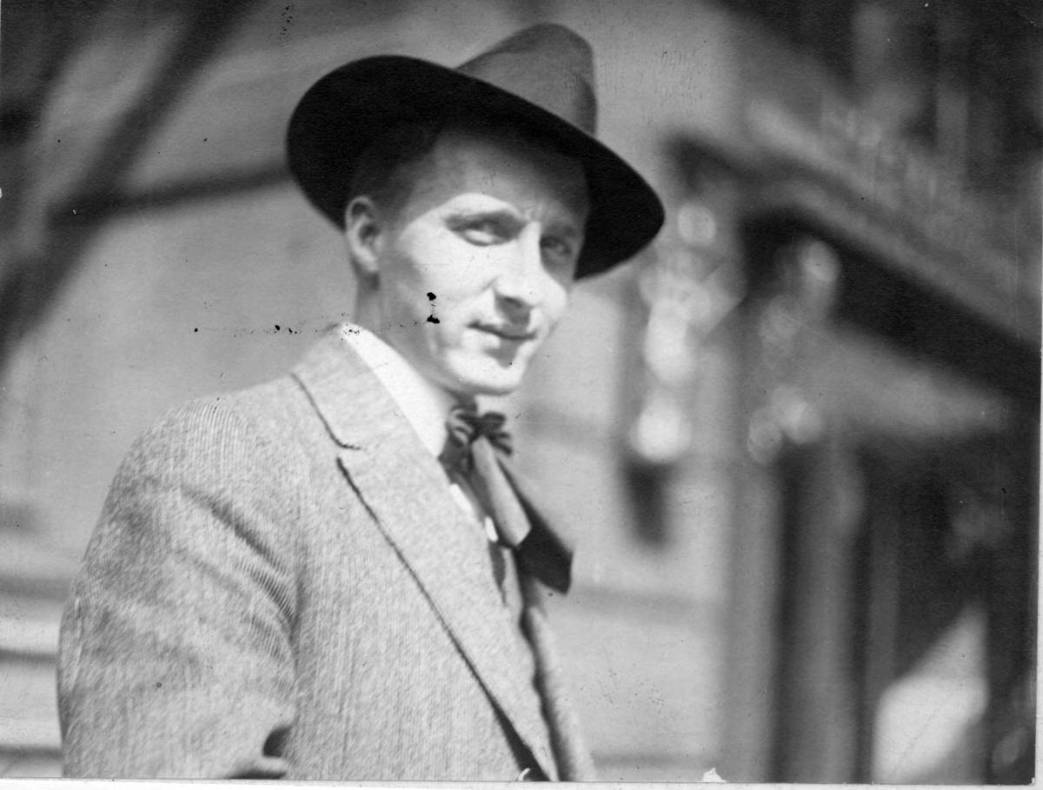
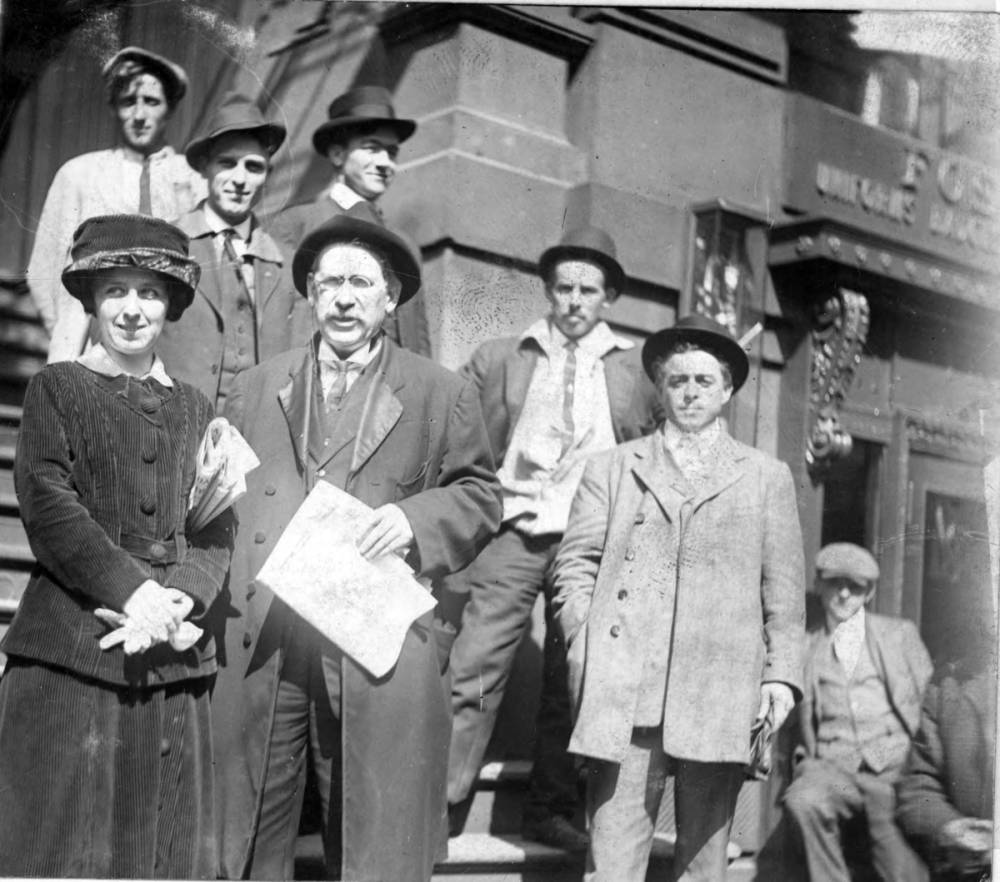
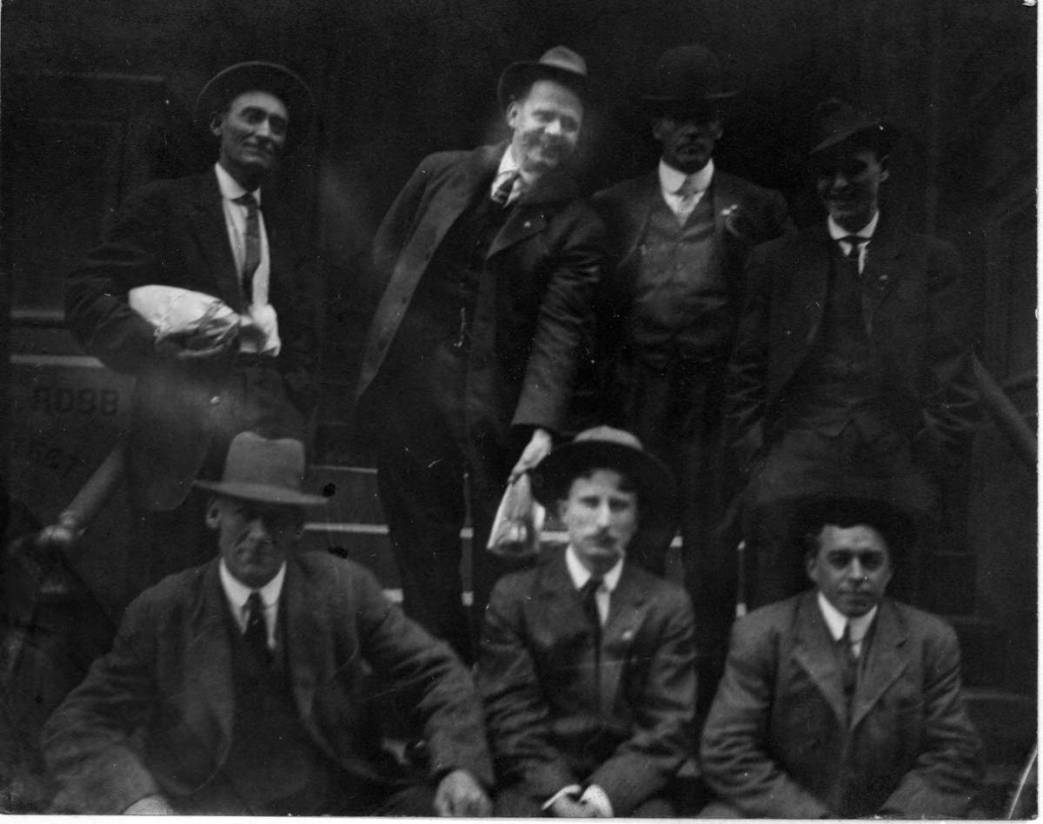
THE Eighth Convention of the Industrial Workers of the World has just come to end. It lasted from Sept. 15th to Sept. 27th. It was an epoch-making convention and will go down in the history of the I.W.W. as taking a long step toward putting the organization on a sound industrial basis.
The delegates were confronted with an idea which has developed within the organization. This idea is known as decentralization and originates from the western part of the country. Decentralization in reality means localism, and it is reactionary in as much as it ignores capitalist development in industry.
Instead of organizing along the line of industry connecting all the industries together through branches, locals, national unions and departments as advocated by the I.W.W., it seeks to establish mass organizations regardless of industry. Each locality shall be independent of all other localities, thus preventing the various localities from acting together and utterly destroying the solidarity so necessary to working-class emancipation. The western part of the country, being very little developed industrially, has a tendency to develop individualism in the minds of the workers. This in turn will make the workers think that by individual action alone can they gain their freedom. On the other hand the workers in the large industrial centers develop a strong collectivism, which expresses itself in mass action. Mass action requires close, centralized organization, because the larger the mass the surer the victory.
The delegates who championed decentralization expressed their ideas by advocating the abolition of the General Executive Board, by the abolition of the convention, cutting down the revenue of the organization, thus preventing the organization to function as intended and by opposing the formation of national industrial unions, etc.
Those delegates who believe in compact, centralized organization along the lines of highly developed industry, opposed every move of the decentralizers. Instead they advocated more compact organization than hitherto and urged that the organizers and speakers confine themselves strictly to teaching industrial unionism and organizing the workers; that the spokesmen of the I.W.W. should not waste their time in attacking politics and political parties, religion or any other outside issues. This spirit was expressed in the following resolution adopted by the convention:
“Ever since the I.W.W. was organized we have carried on a vigorous campaign of education. Millions of pieces of literature have been distributed and sold. Thousands of street and hall meetings have been held in all parts of the country and yet in spite of it all we find that comparatively little real organization exists. What are the reasons for this state of affairs?
1. Our speakers and organizers have concentrated their energies too much upon general agitation and have judged results solely by the amount of literature disposed of.
2. Many of our speakers and organizers have failed to teach industrial unionism and have instead preached against or for politics, or against religion, etc.
3. Our organizers have failed to properly follow up their work wherever an organization was started in an industry, but have tried instead to start as many locals as possible without first putting the locals on a sound basis.


Education without organization is just as much a failure as organization without education. Our speakers should never advocate pro- or anti-politics, pro- or anti-religion but confine themselves strictly to teaching industrial unionism and organization of the working class. Showing the workers that by organizing in the industry and using direct action on the job they can get control of industry and thereby wrest the power out of the hands of the capitalist class.
We therefore recommend: That when an organizer is working in a locality that he concentrate his efforts on a mill, mine or factory which promises that good results may be obtained and proceed in the following manner:
1. To distribute literature among the workers in that particular establishment dealing with the industry to which these workers belong.
2. To hold meetings in front of the establishment and urge the workers to join the union, showing them that only through correct organization on the job can they get shop control and better their condition.
3. When a fair percentage has become members the organizer should call a shop meeting of all the workers employed in that establishment and make it a closed shop.
4. When this has been accomplished the organizer should repeat the same process in another establishment in the same industry, if there are any in the same locality, keeping in constant touch with the one previously organized until such time when the members will be able to transact their business without his assistance.
5. When a spontaneous strike es out in an industry and the I.W.W. gains many new members, it is essential that a good organizer remain on the ground after the strike and not leave the new membership to shift for themselves.
6. All locals should be visited by the organizer as often as possible, especially new locals and we recommend that circuits be established so that one organizer follows another. A large percentage of the workers in the industries are foreign and in order to reach them in their own language all literature should be translated into as many different languages as possible. The general organization should employ permanent organizers who speak the various foreign languages.
A permanent colored organizer should be employed in the South to organize the colored workers into the One Big Union. The I.W.W. has passed the propaganda stage and concrete organization must be our first aim now. All locals should assist the general organization to carry out this program.”
While the delegates who championed the decentralizing idea, failed to carry any of their measures through the convention, the spirit of solidarity prevailed and the delegates went back to their respective localities determined to build up the One Big Union of the working class.
There is, no doubt, but that in the coming year the organization will make great strides toward organizing the working class for the final overthrow of the capitalist system.
The International Socialist Review (ISR) was published monthly in Chicago from 1900 until 1918 by Charles H. Kerr and critically loyal to the Socialist Party of America. It is one of the essential publications in U.S. left history. During the editorship of A.M. Simons it was largely theoretical and moderate. In 1908, Charles H. Kerr took over as editor with strong influence from Mary E Marcy. The magazine became the foremost proponent of the SP’s left wing growing to tens of thousands of subscribers. It remained revolutionary in outlook and anti-militarist during World War One. It liberally used photographs and images, with news, theory, arts and organizing in its pages. It articles, reports and essays are an invaluable record of the U.S. class struggle and the development of Marxism in the decades before the Soviet experience. It was closed down in government repression in 1918.
PDF of full issue: https://www.marxists.org/history/usa/pubs/isr/v14n05-nov-1913-ISR-riaz-ocr.pdf
 Revolution's Newsstand