
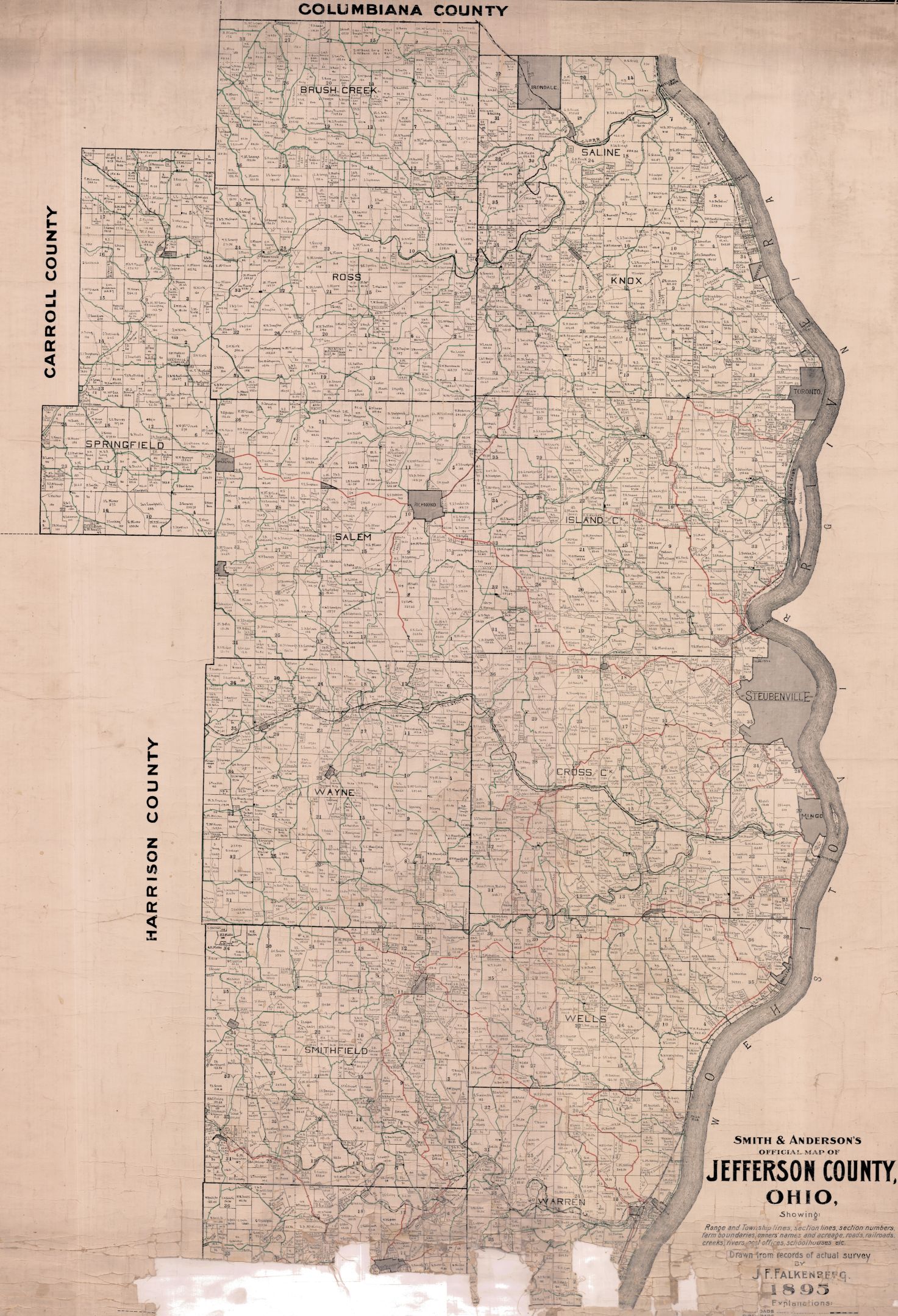
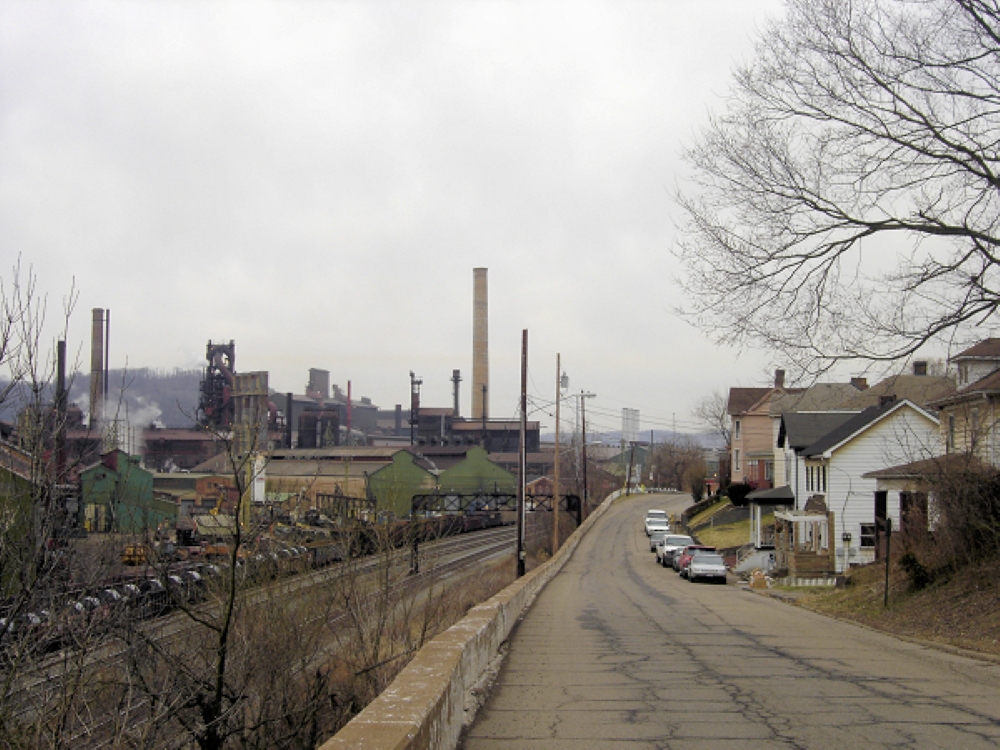
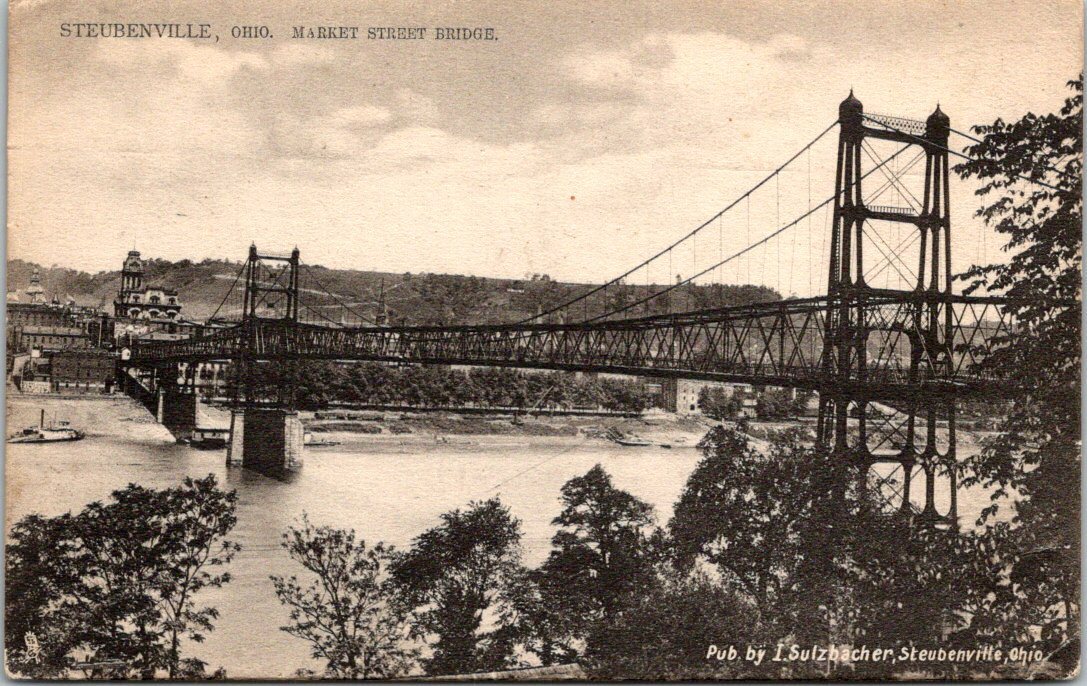
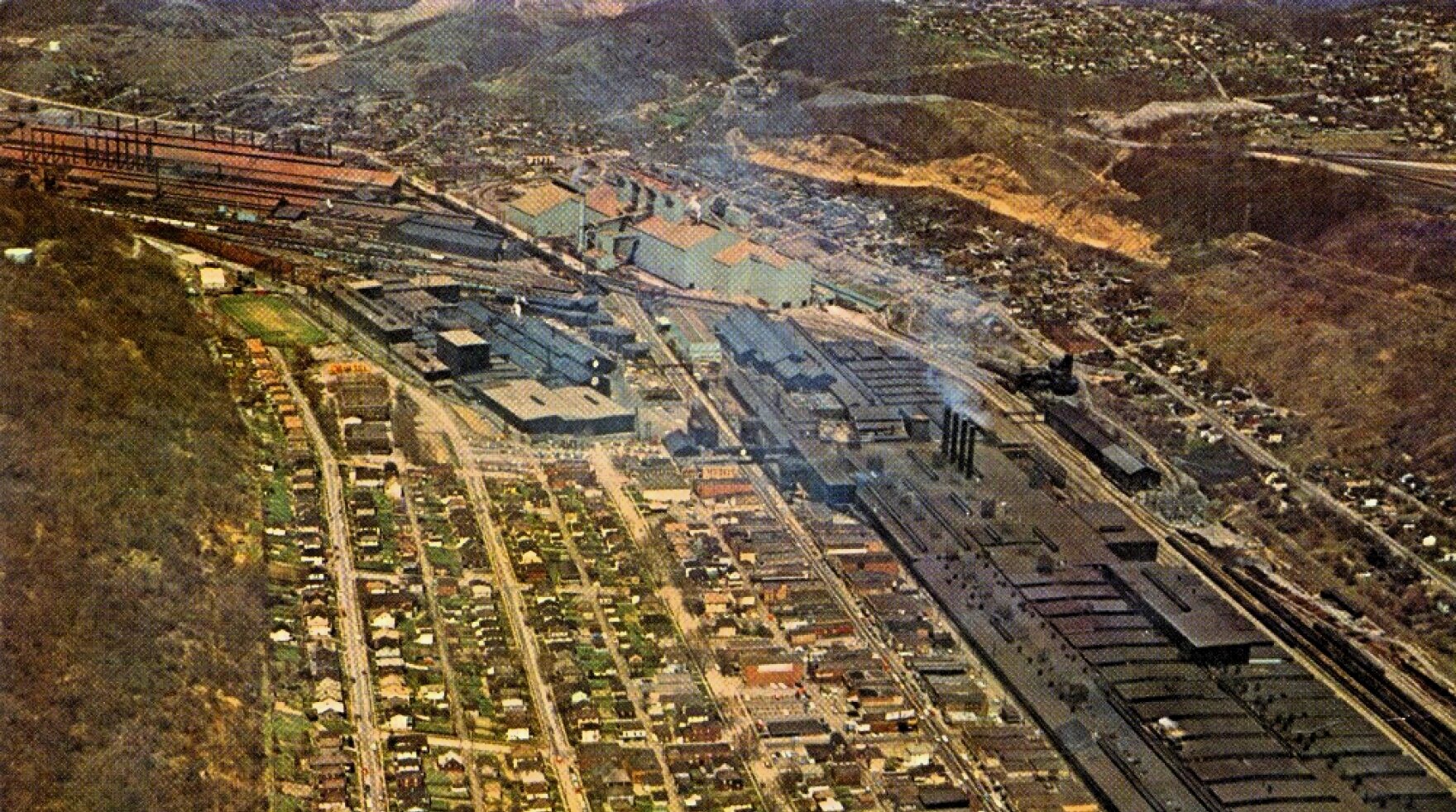
Over the next year we will be taking a close look at the proletarian river town of Steubenville, Ohio and environs. An early rail crossing over the Ohio River connecting Pittsburgh to Chicago, firmly in the industrial behemoth that was the Ohio-Pennsylvania borders, Steubenville’s story is like many around it. By the 1880s Steubenville saw coal mining, paper mills, glass factories, potteries, iron and, what would come to dominate, steel mills. With large numbers of immigrant workers, particularly from Southern and Eastern Europe, and later Black workers from the South, Steubenville’s population peaked in 1940 at around 40,000. Today it has 18,000 residents.
Like so many cities and towns of that region, Steubenville has a rich labor, Socialist, and Communist tradition in a community that is today, as many former left-wing strongholds of immigrant labor, seen as conservative and anti-immigrant. This small city first stepped into labor history during the 1874 coal strike and, as a rail center, took part in the Great Revolt of 1877 with a worker’s committee formed by the city’s union to direct the strike. It would see innumerable strikes and demonstrations in the generations that followed. Locals of the Socialist Labor, Socialist and Communist Parties, their youth groups, as well as a dozen or more language federations operated in the city over many decades.
My hope is we will intimately get to know the families of the area involved, halls, hamlets, and neighborhoods, the local disputes, social life, and course of development of the workers’ movement there as we build its history from reports in the left and labor press, and well as genealogical research. Part of this process will include my traveling to Ohio for a closer look and further documentation.
Articles will be archived here as the story develops.
Steubenville, Ohio: A Worker’s History
‘Jefferson County Hunger March’ from The Daily Worker. Vol. 8 No. 280. November 21, 1931.
‘Dark Towns’ by Mary Heaton Vorse from Men and Steel. Boni and Liveright Publishers, New York. 1920.
‘Hundreds March from Steubenville to Weirton Mill’ from The Wheeling Majority. Vol. 7 No. 19. July 24, 1913.
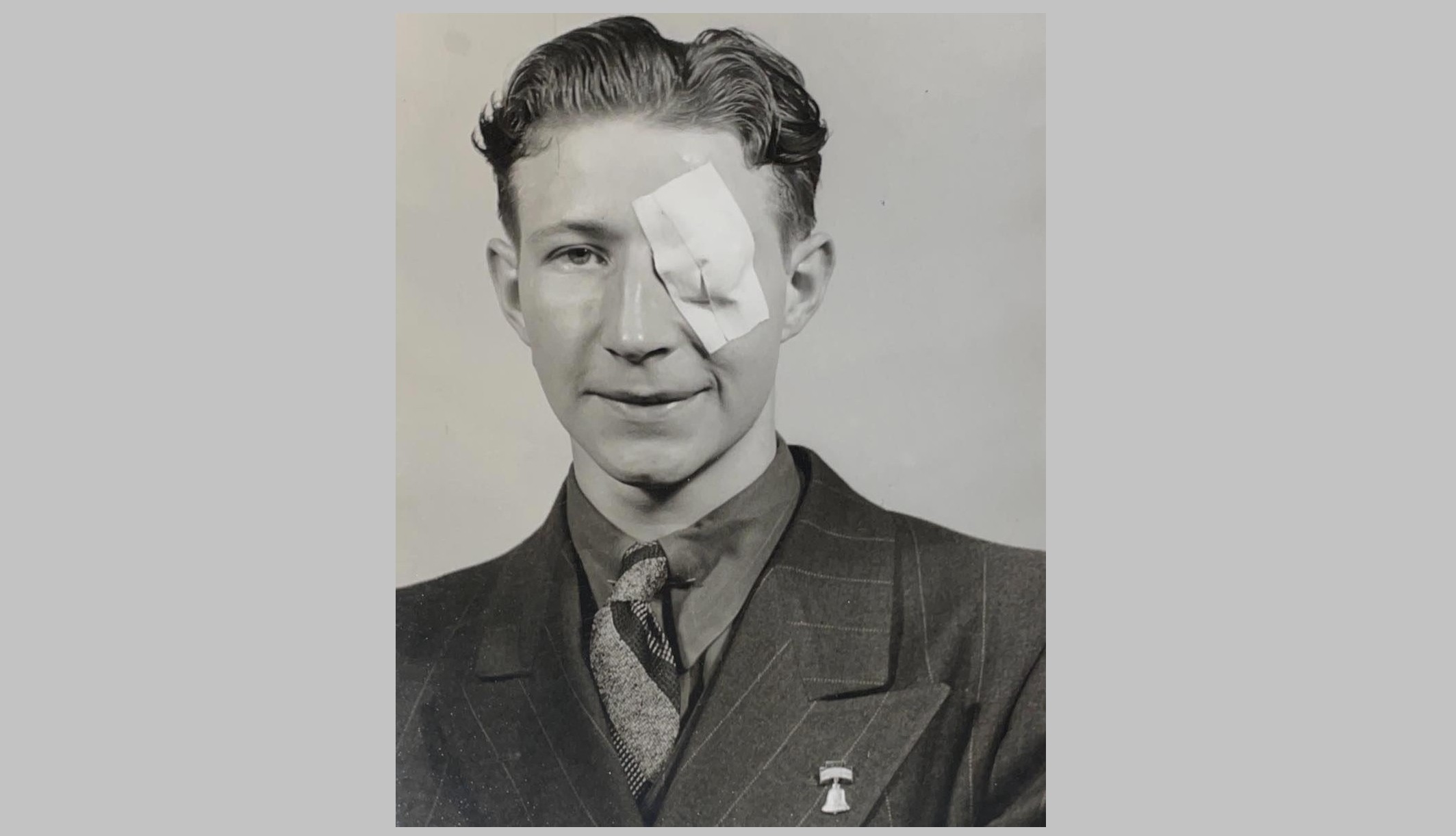
‘I Was in a Franco Prison’ by Charles A. Barr from The Daily Worker. Vol. 16 No. 40. February 16, 1939.
‘Weirton: Feudal Domain’ by Marguerite Young from New Masses. Vol. 20 No. 7. August 11, 1936.
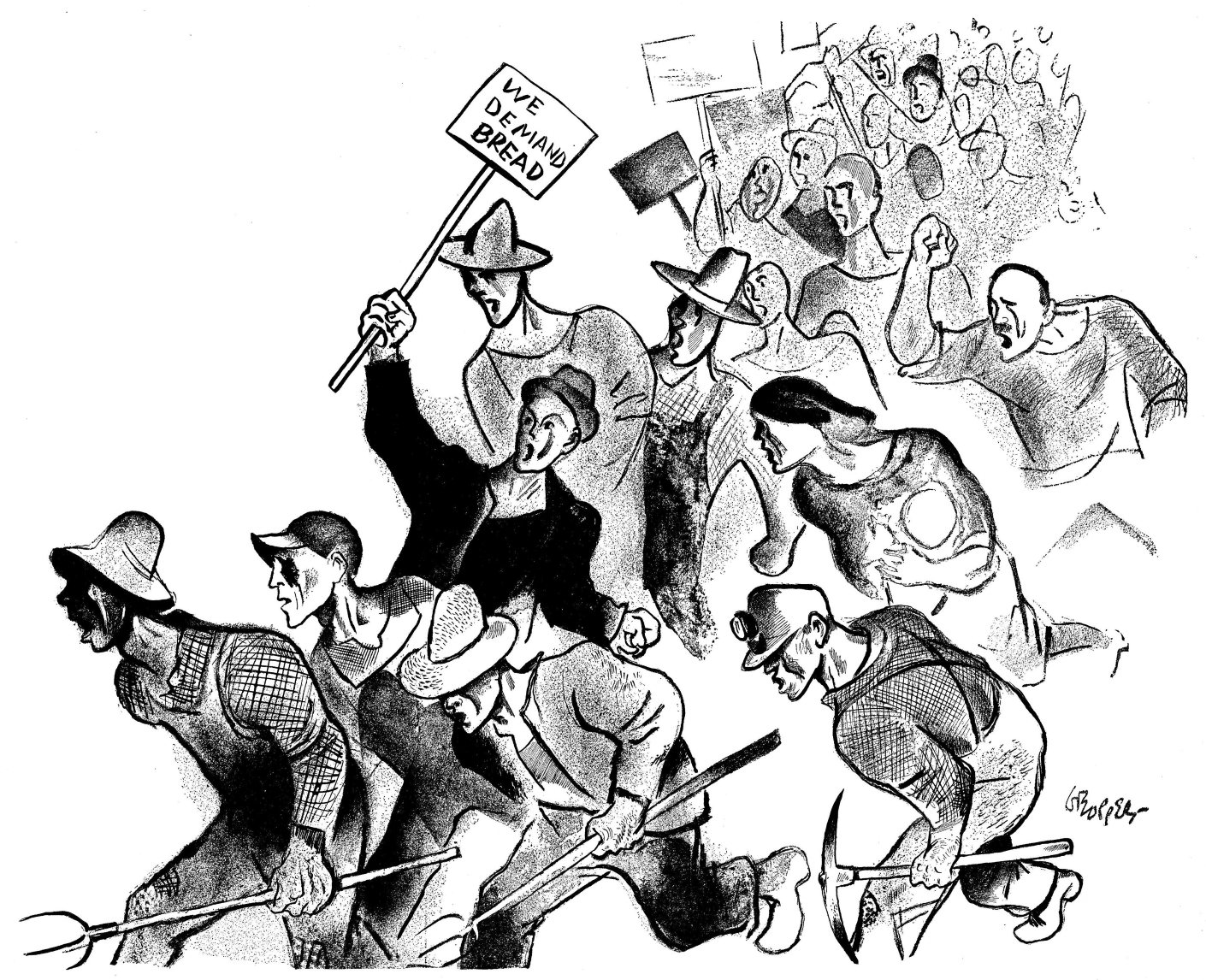
‘1,500 Miners March on Steubenville for Relief’ from The Daily Worker. Vol. 8 No. 175. July 22, 1931.
 Revolution's Newsstand