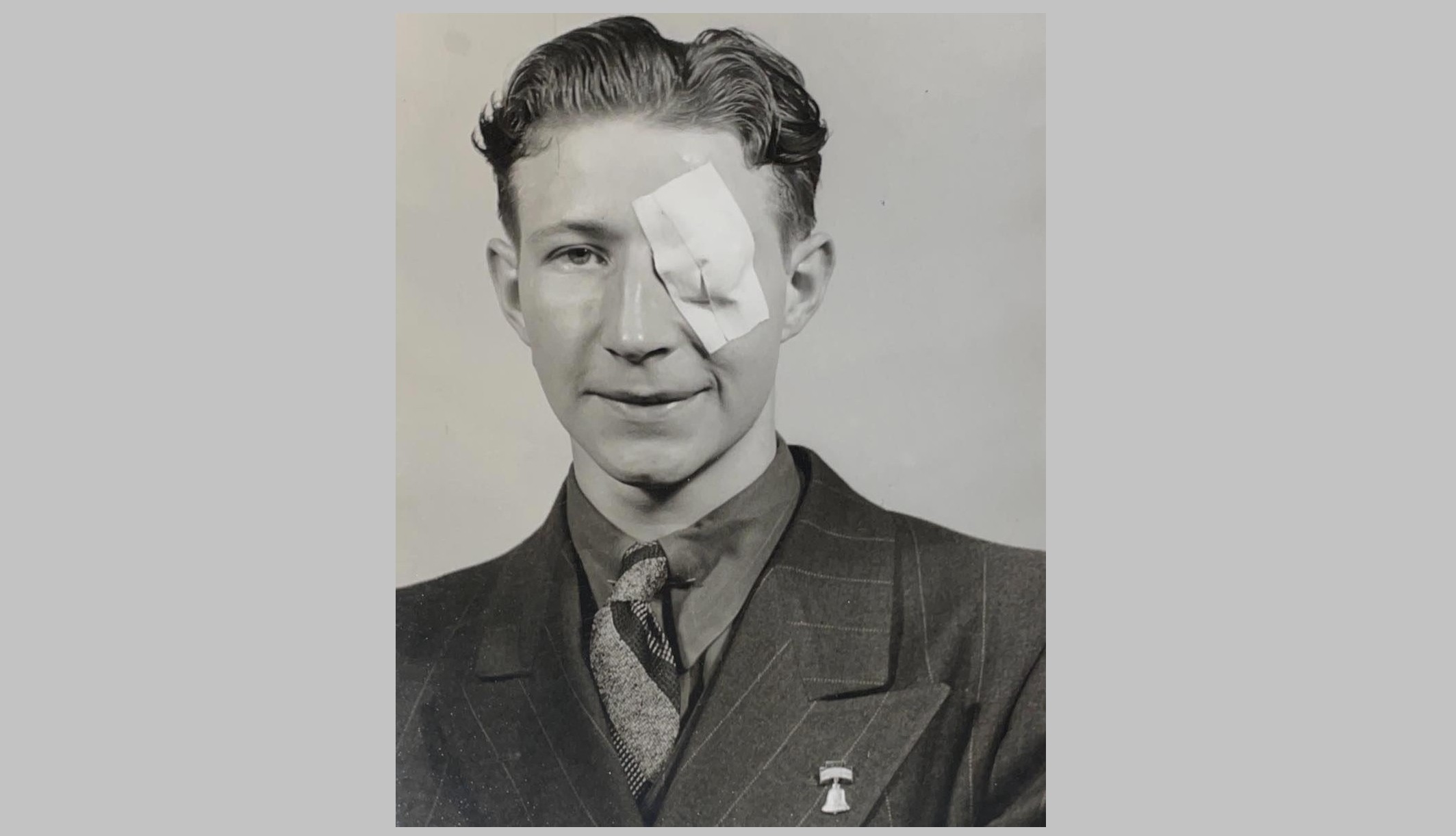
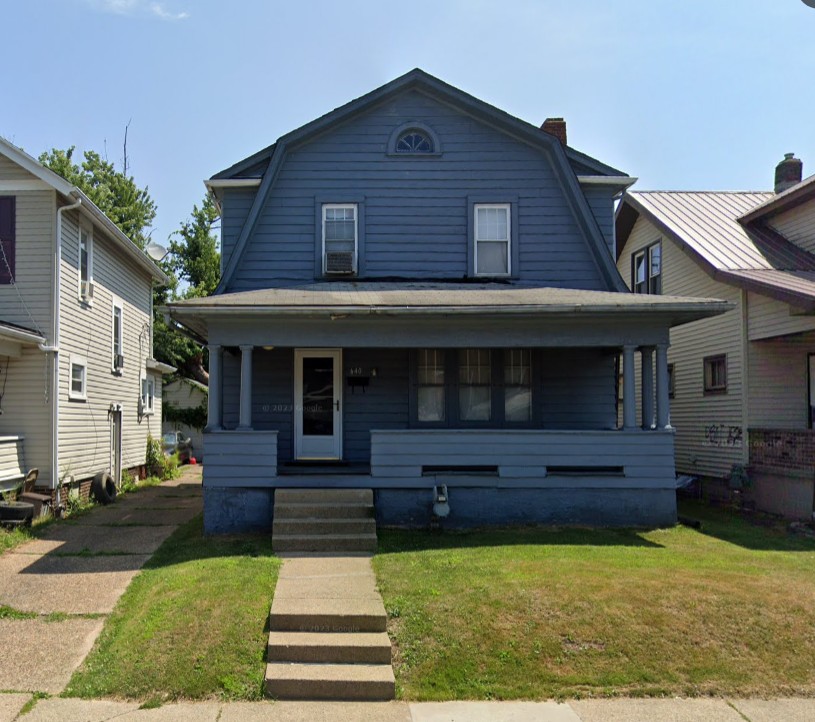
A son of Steubenville’s working class tells the story of his wounding and capture while fighting fascism in Spain. Charles A. Barr, of 640 Oakmont Ave., was born in 1917 to James, an older steel worker, and Ethel, soon to die young, leaving Charles to be raised by friends and family. Joining the Y.C.L. while in high school and set sail for Spain on September 25, 1937. Fighting in the Lincoln Brigade, Barr was wounded in the eye and captured during the retreat from Aragon in March, 1938. He was held in several locations before being exchanged in October, 1938. Barr later served in the Second World War, dying after two wars on October 9, 1956 at just 39.
‘I Was in a Franco Prison’ by Charles A. Barr from The Daily Worker. Vol. 16 No. 40. February 16, 1939.
Vets Now Work To Release Other Americans in Fascist Dungeons
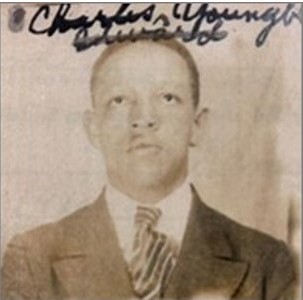
Three of us were left alive: Youngblood, a Negro and one of my best friends, a Greek comrade and myself. We had been in the fort there for three or four hours. Each of these hours had seemed an eternity. Aviation and artillery bombardment had reduced the small fort to fragmentary sections of chalk-Ike wall, through the bullets came like hall.
We turned toward a gap in the wall, through which we could see the fascists advancing across the plateau against our position. The three of us shook hands, Youngblood joking about the chances three men might have of stopping a couple of thousand fascists. Suddenly he fell forward on his face. He was dead.
The Greek comrade and I continued firing until our ammunition ran out. We had just fired our last bullet when an artillery shell exploded, not over two meters behind us, I heard the Greek scream that his leg was blown off and then I felt a piercing pain, the blood came pouring from my eyes.
The pain stopped, and I wondered if I were dying. The Greek motioned to four hand-grenades lying close to him. I threw three successfully, and was about to throw the fourth, the pin already pulled, when my arm was seized. I looked up and saw that I was surrounded by fascists, I heard a voice speaking Spanish. I managed to understand that if I threw the grenade where it would explode harmlessly, my life would be spared. I nodded, threw it, and then my strength gave out. I fell to the ground; expecting to be shot, despite their promise.
Greek Comrade Dies
Two other prisoners, who had been captured unwounded were brought in, and we were made to carry the Greek four kilometers to the base hospital. I could hardly see the ground in front of me, and when I stumbled a Moor shoved me in the back with the butt-end of a rifle. We were kept in this hospital without treatment of any kind. The Greek comrade died from loss of blood.
From there I was moved to civil hospital, fifty kilometers away, and I stayed there twenty-five days receiving treatment for my eye. I made friends and together we planned my escape. There were four entrances to the place, and only two guards, hospital work being done by women. Often I slipped out with my friends, to shop in the town, and got back each time, undetected. Escaping would be a simple matter. All the people around were friendly and cooperative. A truck was to meet me at a certain point, and was to carry me to the home of a friendly Spaniard. From there I would be taken further away, and so on, until I was safe over the French border. There was little doubt where the true sympathy of these people lay.
Escape Frustrated
The day before I was to escape, however, two fascist soldiers came and took me away. So all that we had worked for came to nothing. I was taken first to Saragossa. In the prison were many women and children, families of Republican soldiers. They were crowded together in small cells. Some of the women had even given birth to children in there. On seeing us, they raised their arms, crying “No pasaran,” to show us that their morale was still high. We were considerably strengthened by this. From there we were taken into the concentration camp at San Pedro de Cardenas, where three hundred Internationals were imprisoned. The food there was rotten, beans and sardines day after day. They were meager sanitary facilities and no medical treatment, beyond what we did ourselves. In spite of these miserable conditions, our morale remained high. We organized a school, held lectures and classes, put on plays, kept a newspaper, and always held in our minds the hope of release or escape.
Hardships In Prison
We amused ourselves also by writing huge elaborate menus on the wall, listing our own favorite food, to be eaten when we returned home. Even at this concentration camp, we saw signs of friendship of the people for us and for the Republic. Food, candy and tobacco was often smuggled into us from the outside. We were doubly grateful for these things, for we realized that they came from people who had very little to give. The mail bag provided the chief excitement of the day. One morning the comrade in charge called out fourteen names, with mine among them. I asked him laughingly if it was a letter, he replied that it was something better, that we were to pack, for we were leaving for the frontier. Many of us wept, so unexpected was our release. Our happiness, though, was considerably lessened by the thought of the comrades that we would leave behind. We resolved then never to cease our efforts until all of our comrades were free. We agreed that when we reached America again we would go before the people with the story of the hardship being endured by American boys in fascist prison camps. We knew that when the people heard our story, they would demand that our state department act to free those men we were forced to leave behind. Men who, if forced to go through another winter in fascist concentration camps, would be wrecked mentally and physically–if, in fact, they survived at all.
The next afternoon, with this purpose foremost in our minds, we crossed the International bridge, into France. I was free, after nine months of fascist imprisonment.
The Daily Worker began in 1924 and was published in New York City by the Communist Party US and its predecessor organizations. Among the most long-lasting and important left publications in US history, it had a circulation of 35,000 at its peak. The Daily Worker came from The Ohio Socialist, published by the Left Wing-dominated Socialist Party of Ohio in Cleveland from 1917 to November 1919, when it became became The Toiler, paper of the Communist Labor Party. In December 1921 the above-ground Workers Party of America merged the Toiler with the paper Workers Council to found The Worker, which became The Daily Worker beginning January 13, 1924.
PDF of full issue: https://archive.org/download/per_daily-worker_daily-worker_1939-02-16_16_40/per_daily-worker_daily-worker_1939-02-16_16_40.pdf
 Revolution's Newsstand