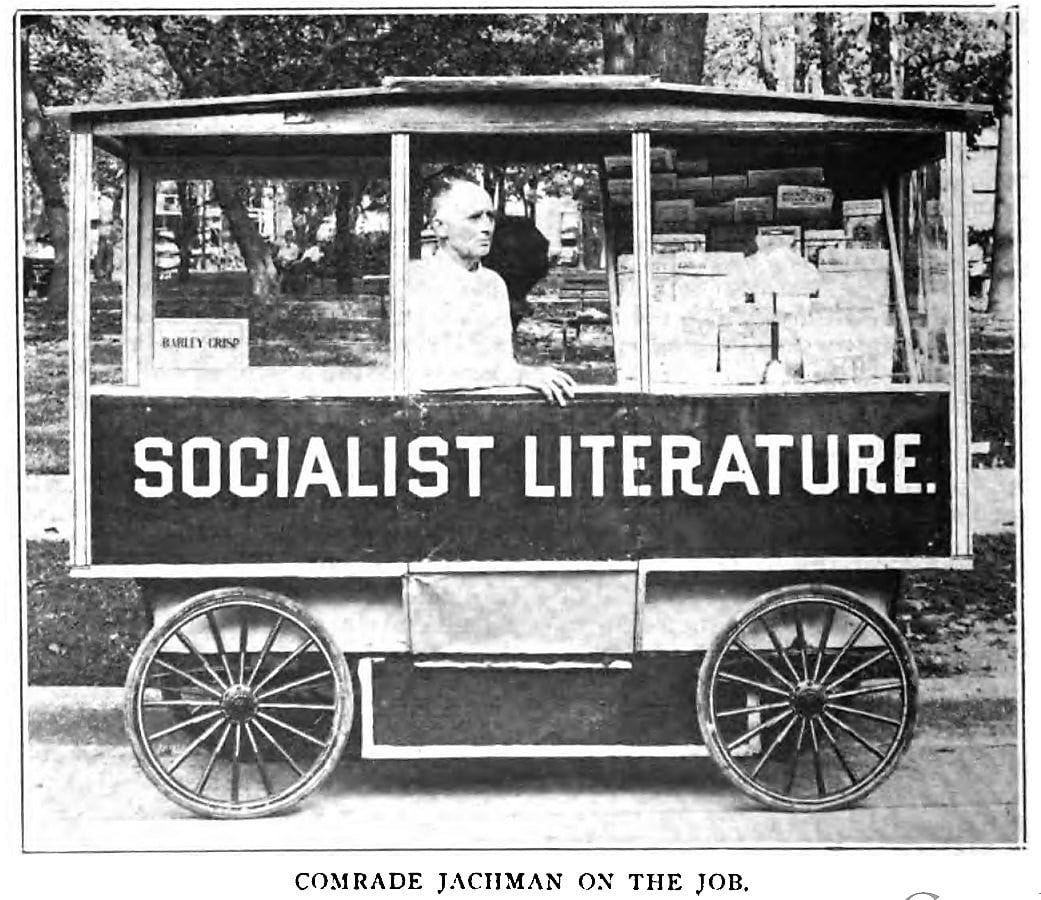
A brief look back at the last year of the Newsstand. With 2486 posts in 2025, I chose an article from each month that in retrospect I found particularly well written, important, relevant, interesting, or worthy of greater attention. Obviously, many, many could have been chosen with equal validities, and this is most certainly not a ‘best of’ list, but one of I hope is indicative of the journalism and issues of the era, some still confronting a struggling left. For those interested, Facebook continues to quarantine pages like this–left wing, non-monetized, and sharing of off-site links and a continuing and dramatic fall off in engagement is noticeable. While this page has well over 6,700 followers, we are lucky if twenty-five people see a post. X is even worse. At a certain point, even as a personal project, it is no longer worth the effort. If comrades have suggestions on other platforms that that may be appropriate, please let me know. I want to thank all of those who have followed, read a long, shared, and helped boost the page.
2025 on Revolution’s Newsstand, Twelve Articles
January 19, 2025.
‘Why Political Democracy Must Go, Parts I-VII’ by John Reed from The New York Communist, 1919.
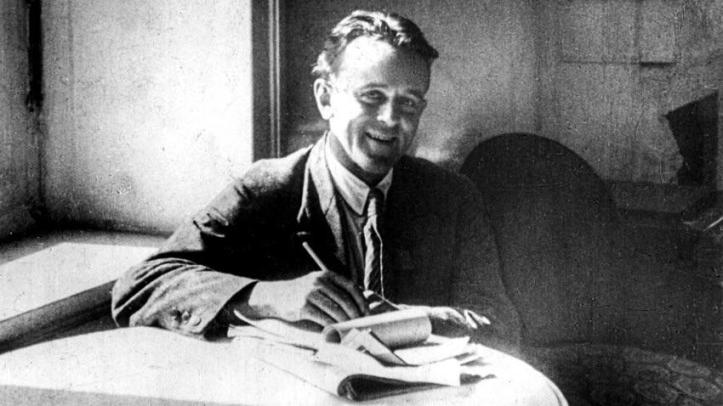
A too-often dismissed work by John Reed is this book-length serial reevaluating the U.S. Socialist movement and its tactics written in the spring and summer of 1919, ‘Why Political Democracy Must Go.’ Eager for the emerging Left Wing to have a national voice (Revolutionary Age then the organ of the Boston local), Reed began The New York Communist in April, 1919 in order to engage in the factional war then raging as the right-wing began mass expulsions. As part of that project Reed wrote this extensive re-analysis of a fatally-flawed U.S. ‘democracy’ hollowed out by imperialism, whose institutions, rather than being vehicles of social transformation to be protected by the working class as posited by the Party’s right, needed to be destroyed by the working class. Reed discusses the change in tactics required by this changed strategy as the basis on which the Left Wing be built. Reed’s political transformation in the two years since his 1917 experience was extraordinary; an immense amount of study is evident in this essay, which is also, in part, Reed reassessing his own past liberal ideas about the U.S. and its democracy.
‘Why Political Democracy Must Go, Parts I-III’ by John Reed from The New York Communist. Vol. 1 Nos. 4 & 5. May 8 & 15, 1919.
‘Why Political Democracy Must Go, Parts IV-V’ by John Reed from The New York Communist. Vol. 1 Nos. 6 & 7. May 24 & 31, 1919.
‘Why Political Democracy Must Go, Parts VI-VII’ by John Reed from The New York Communist. Vol. 1 Nos. 8 & 9. June 7 & 14, 1919.
‘Why Political Democracy Must Go, Part VIII’ by John Reed from The New York Communist. Vol. 1 Nos. 10. June 21, 1919.
February 5, 2025
‘Communism and Anti-Imperialism in Latin America’ from International Press Correspondence. 1928.
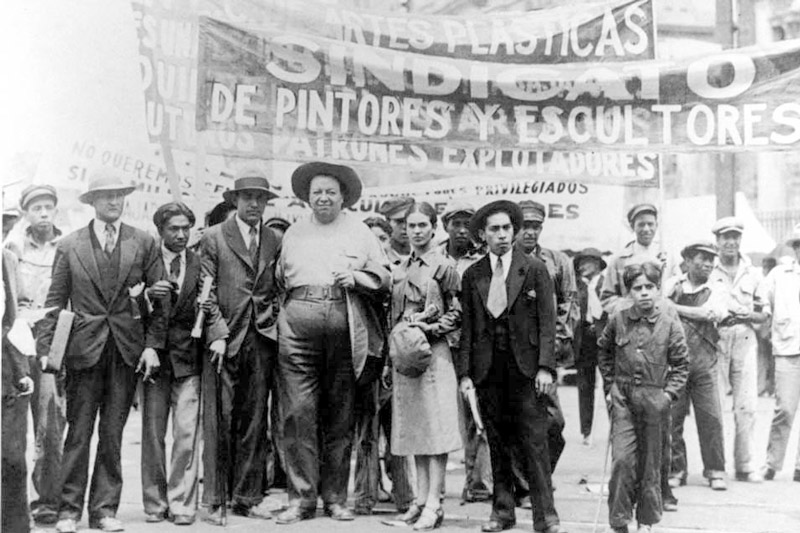
Contributions of Latin American delegates on imperialism from the Sixth Comintern Congress. By the late 1920s, the process by which U.S. imperialism became the dominate power in the Americas had proletarianized and radicalized millions. In June, 1928 the Communist International (re)established a ‘South American Bureau’ headquartered in Buenos Aires in June, with Swiss militant Jules Humbert-Droz as Comintern emissary. Humbert-Droz would report on the region at the Sixth Comintern Congress held in August, 1928 as part of a larger discussion on the colonial world. In discussion of the report Latin American delegates below spoke. Full text of the interventions by Paulo de Lacerda (Brazil), Ricardo Parades (Ecuador), Ricardo A. Martinez (Venezuela), Lucas Ibarrola (Paraguay), Vittorio Vidali (Speaking for Mexico), Leopoldo E. Sala (Uruguay), Jorge Cardenas (Colombia), Carlo Ravetto (Argentina), and Manuel Díaz Ramirez (Mexico).
‘Communism and Anti-Imperialism in Latin America’ from International Press Correspondence. Vol. 8 Nos. 74, 76, & 78. October 25, 30, & November 2, 1928.
March 10, 2025
‘Jews and the National and Colonial Question’ by Abram Metzhin, Marina Frumkina, and Michael Kohn-Eber from the Second Congress of the Communist International, 1920.
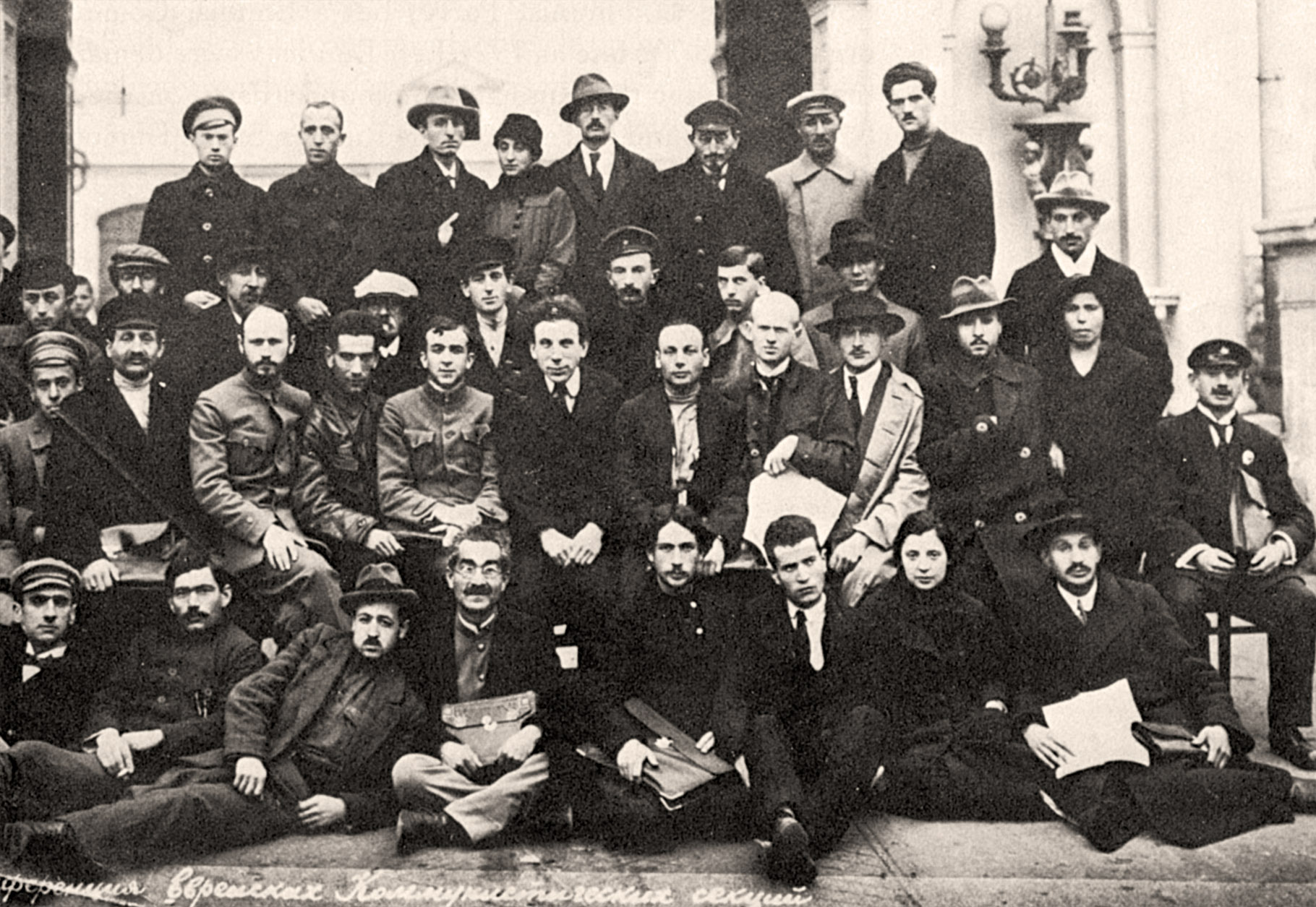
Interventions by Maria Frumkina and Abram Metzhin, former Bundists now leaders of the Communist Party’s Jewish Section, which existed from 1918-1930, during the discussion of Lenin’s National and Colonial report at the Second Comintern Congress. Dealing with national minorities, autonomy, Zionism, and anti-Jewish pogroms, also included is the speech in refutation by Michael Kohn-Eber representing the Left Poale Zion. The Jewish Workers Bund was among the largest constituents to found the Russian Social Democratic Labor Party in 1898. In 1912’s formal split of the R.S.D.L.P., the Bund allied with the Mensheviks. However, the Revolutions of 1917 would shift orientations. In 1919, during the Russian Civil War and the wave of pogroms, the majority of the largest Jewish Socialist organization in Europe, the non-Zionist Bund, declared for Soviet Power. In April, 1920 a majority voted to join the Communist International. Within the ‘far left’ of the Zionist movement pro-Communist tendencies had also emerged with Austrian Michael Kohn-Eber representing the Left Poale Zion in discussions with the Comintern. In August, 1921 the Comintern made explicit its demand that Poale Zion abandon Palestinian colonization before relations could develop. After the majority of Poale Zion rejected that demand the following year, the Comintern broke all relations.
‘Jews and the National and Colonial Question’ by Abram Metzhin, Marina Frumkina, and Michael Kohn-Eber from Proceedings of the Second Congress of the Communist International, 1920.
April 26, 2025.
‘Turpentine: Impressions of the Convicts Camps of Florida’ by Marc N. Goodnow from International Socialist Review. 1915.

How barbarous a country is the United States? It is this barbarous. Slavery, racial capitalism, super-exploitation, double-exploitation, peonage, bondage, convict-labor, and brutalized labor is the bread and butter for every fortune. It would be hard to imagine a more hellacious profit-making enterprise00for the workers–than the convict-lease labor camps producing toxic turpentine in Florida’s swamps. Conditions that would make an Roman overseer of enslaved mercury miners either blush with shame, or eagerly take notes. As an evocative, muck-racking investigation, the article makes clear the ‘primitive accumulation’ never stopped being a ‘primary’ way of accumulating capital. Apologies ahead of time for the language in this justly famous expose.
‘Turpentine: Impressions of the Convicts Camps of Florida’ by Marc N. Goodnow from International Socialist Review. Vol. 15 No. 12. June, 1915.
May 15, 2025.
‘Nature of Abstract Art’ by Meyer Schapiro from Marxist Quarterly. 1937.
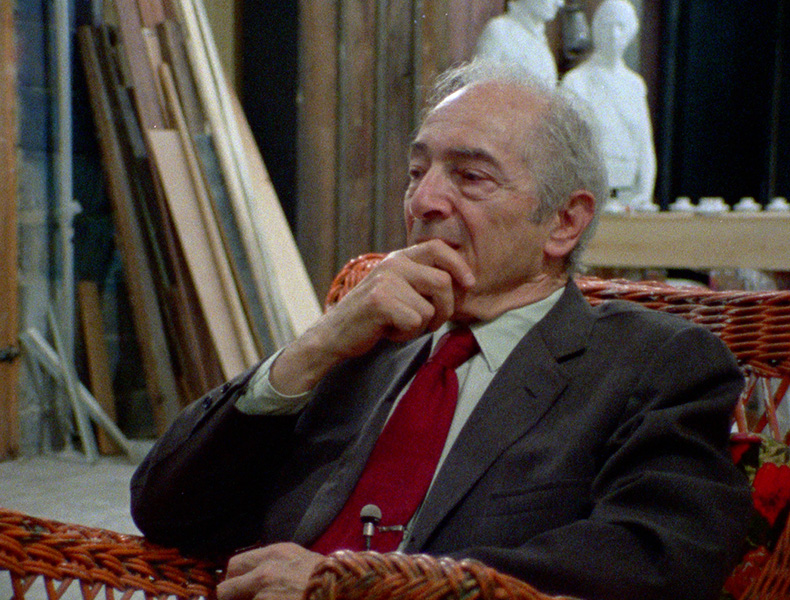
The full text of among the most influential of U.S. essays in Marxist art criticism. Meyer Schapiro uses a critique of Albert Barr’s Cubism and Abstract Art to uncover modern art’s social and historic roots. A fantastic read, still referenced by students of art history today.Putting together Revolution’s Newsstand over the last four years I have read and transcribed near 9,500 articles, essays, manifestos, books, and conference reports. I have come to pretty quickly distinguish writing that is atrocious, bad, passable, good, particularly good, exceptional, and masterful. This Meyer Schapiro essay is one of the very best. He employs a critical review of Albert Barr’s Cubism and Abstract Art to illuminate modern art’s dynamic historic and social wellsprings. In its language and exposition, in scope and insight, in knowledge and materialist cohesion, it is almost exhilarating to sit down with. I hope I am no philistine, but I still know next to nothing about art and its history. After reading this, I cannot see painting the same way again, or indeed history, particularly our working-class history, without its art. One of the richest, most satisfying reads I have had in ages. A full meal, and a formidable introduction to its subject.
‘Nature of Abstract Art’ by Meyer Schapiro from Marxist Quarterly. Vol. 1 No. 1. January-March, 1937.
June 26, 1925.
‘A Bloody Week in Cleveland: The Killing of Edward Jackson and John Grayford’ from the Daily Worker, October, 1931.

Cleveland, Ohio has an incredibly rich class war tradition. A dossier on the October, 1931 police killing of Edward Jackson and John Grayford, two Black members of a Cleveland neighborhood Unemployment Council, and the wounding of a number of others attempting to stop an eviction at 46th St. and Woodland. Coming during the Great Depression and immediately after a mass confrontation at City Hall, the murders mobilized the city, with dozens of protests and meetings culminating in 30,000 workers marching in a mass funeral. Included are Daily Worker reports and editorials, as well as a critique of the local Communist Party’s activity given by the leadership some weeks later. A potent window into the world of organizing during that period.
‘A Bloody Week in Cleveland: The Killing of Edward Jackson and John Grayford‘ from the Daily Worker, October, 1931.
July 13, 1925.
‘Agrarian Relations in the United States’ by Valerian Ossinsky from Workers Monthly. 1926.
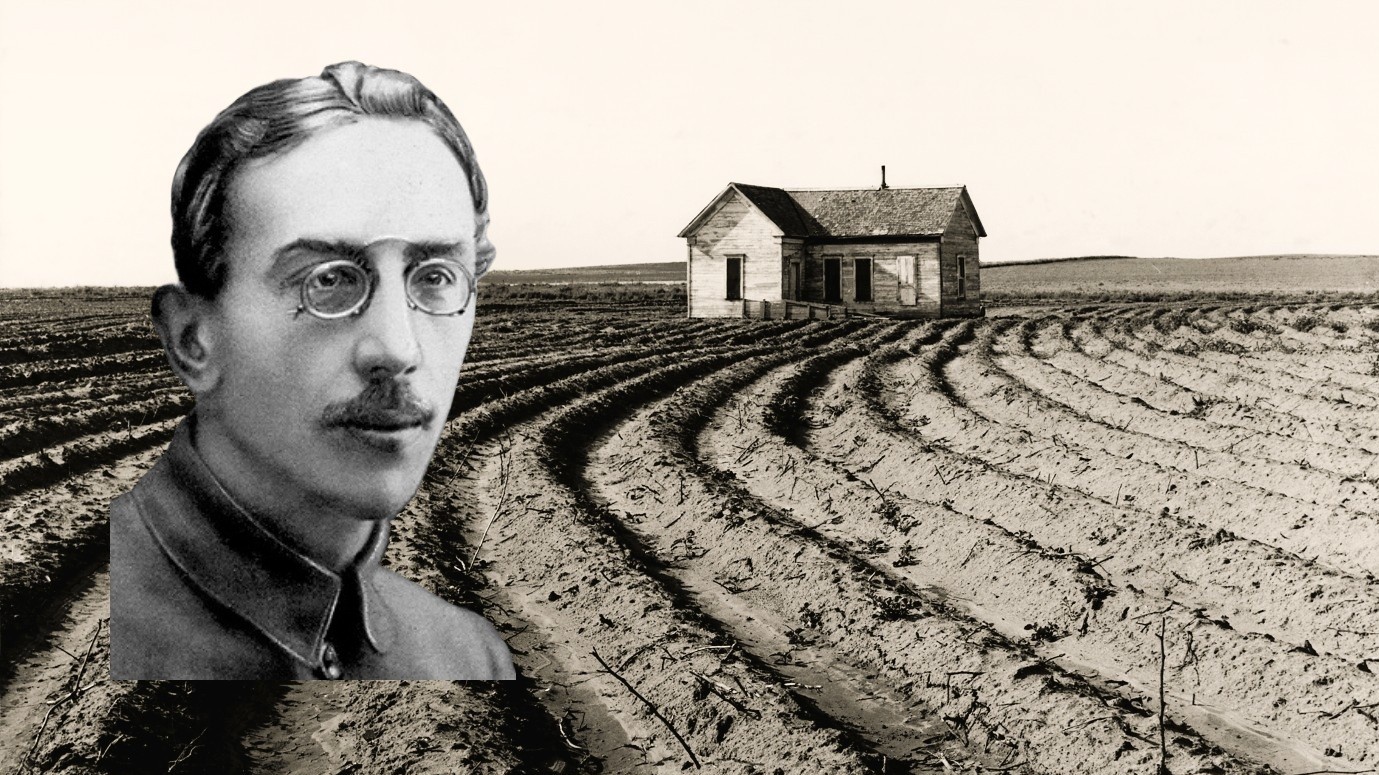
An absolutely fascinating study from Valerian Ossinsky, a Deputy People’s Commissar for Agriculture, of the character and changes of capitalist agriculture in the U.S. after World War One. Valerian Ossinsky (Obolensky) was a leading early Soviet economist and Left Communist, later ‘Democratic Centralist,’ in the years after the Revolution. One of the signatories of the The Platform of the 46, he was a lead voice of the Opposition on economic matters in the debates of 1923-1924. Like a number of Oppositionists, Ossisnsky was moved to the diplomatic corp, becoming ambassador to Sweden. Breaking with the Opposition in 1925, he was elected to the Central Committee with much of his work with Gosplan and in agricultural planning. He aligned himself with Bukharin in the collectivization debate, but retained his membership in the Party, with academic work largely replacing Party and state activities. Arrested in October, 1937 during the Purges, Ossinsky was a witness in the trial of Bukharin and Rykov and executed on September 1, 1938.
‘Agrarian Relations in the United States’ by Valerian Ossinsky from Workers Monthly. Vol. 5 Nos. 9 & 10. July & August, 1926.
August 26, 2025
‘The Insurrection’ by William Lloyd Garrison from The Liberator. 1831.

A remarkable abolitionist message on Nat Turner’s rebellion that could be a comment on the events and responsibilities of October 7, 2023. An historic document that SHOULD be read from today’s perspective–Palestine. The foremost white anti-slavery activist in U.S. history and a deeply committed pacifist, William Lloyd Garrison responds to Nat Turner’s 1831 Virginia rebellion. Dozens of white civilians, including children, were killed in an insurrection waged by the those in bondage against Virginia’s extraordinary, and regular, violence of its enslaving institutions. As a white frenzy swept the country in the aftermath, hundreds more were killed by mobs and militias, as many of those opposed to slavery condemned Turner or retreated into silence. Not so Garrison, whose response is both deeply consistent, in his own terms, and clear in its sympathies and in positing the responsibility for the bloodshed. It serves today as an example of a nuanced, but deeply principled, unyielding defense of the oppressed and condemnation of their oppressors, who fate is ultimately a consequence of their own actions. Also, it is magnificently written.
‘The Insurrection’ by William Lloyd Garrison from The Liberator. Vol. 1 No. 36. September 3, 1831.
September 17, 2025.
‘O.K.: From A Book of American Impressions’ by Boris Pilnyak from International Literature. 1933

The great Russian writer Boris Pilnyak spent six months in the United States in 1931, and while here took a road trip from California to New York with ‘New Masses’ editor Joseph Freeman. Working briefly as a Hollywood screenwriter, he traveled back across the U.S. through the South and by way of Detroit in a Ford car that he would send back to the Soviet Union–while writing down observations of that vulgarian, the ‘American-Nitzchean,’ spawned from the world of the ‘Nitzchean-Dollar’. Writing a book called ‘O.K. An American Novel’ on his experiences and impressions, below are a some early translated passages. And they are superlative. For much of his life, Pilnyak was second only to Gorky for popularity by the vast Soviet reading public. While himself not a Party member, he was widely seen as among the most incisive literary chronicler, not just of the Russia’s revolutionary era, but of the human experience of revolution. A generation of leading, revolutionary, and iconoclastic writers, like close friend Victor Serge would have Pilnyak assert his once immense authority to save lives and careers as many of the Soviet Union’s writers of the revolutionary-era saw wide-scale persecution in the mid-1930s. Pilnyak himself was arrested in October 1937, and farcically accused of working for Japanese imperialism to overthrow Communism. One of the 20th century’s finest authors, and most honest and genuinely loyal revolutionary witnesses was tried on April 21, 1938, found guilty, and was shot the same day on the Kommunarka execution grounds
‘O.K.: From A Book of American Impressions’ by Boris Pilnyak from International Literature. No. 1. 1933.
October 14, 2025
‘History is the History of Class Struggles: Introduction’ by Louis C. Fraina from The Proletarian Revolution in Russia. 1918.
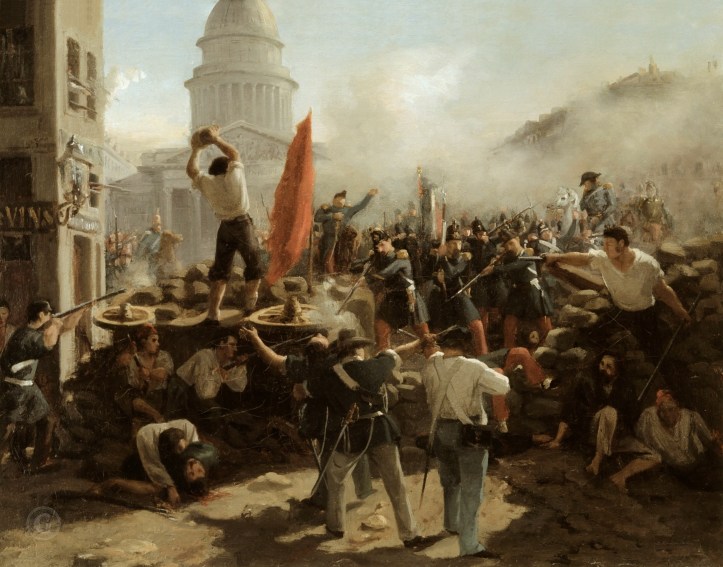
A magnificent effort. The Proletarian Revolution in Russia is a 500-page collection of essential documents, writings and speeches by Lenin, Trotsky, and Chicherin from the pivotal year between 1917’s February Revolution and 1918’s Brest Litovsk–almost all in their first English translations. Collected, edited, notated, produced—and most impressively–introduced by pioneering U.S. Italian-born Communist Louis Fraina at just twenty-five, and already an experienced political veteran. The self-educated, multilingual, Fraina was something of a savant and one of the first U.S. co-workers Lenin’s, as well as a collaborator of Bukharin, Trotksy, Kollontai, Katayama, and others in New York before they returned to Russia in March, 1917. Perceptive, nuanced, extremely well-informed and educated, and (then) an unabashed revolutionary Marxist, Fraina’s lengthy introduction to this collection is a worthy, if obviously incomplete, history of those world-changing Revolutions–and also one of the first. By no means hagiography, this is richly nuanced and honestly partisan general introduction, taking the long view and framing the history of revolutions in the first of the books chapters. Deserving of a prominent place in the canon of English-language literature on the Revolution.
‘History is the History of Class Struggles: Introduction’ by Louis C. Fraina from The Proletarian Revolution in Russia by N. Lenin and Leon Trotzky. Communist Press Publishers, New York City. 1918.
November 10, 2025.
‘The Last Testament of Ernst Toller’ from New Masses. 1939.
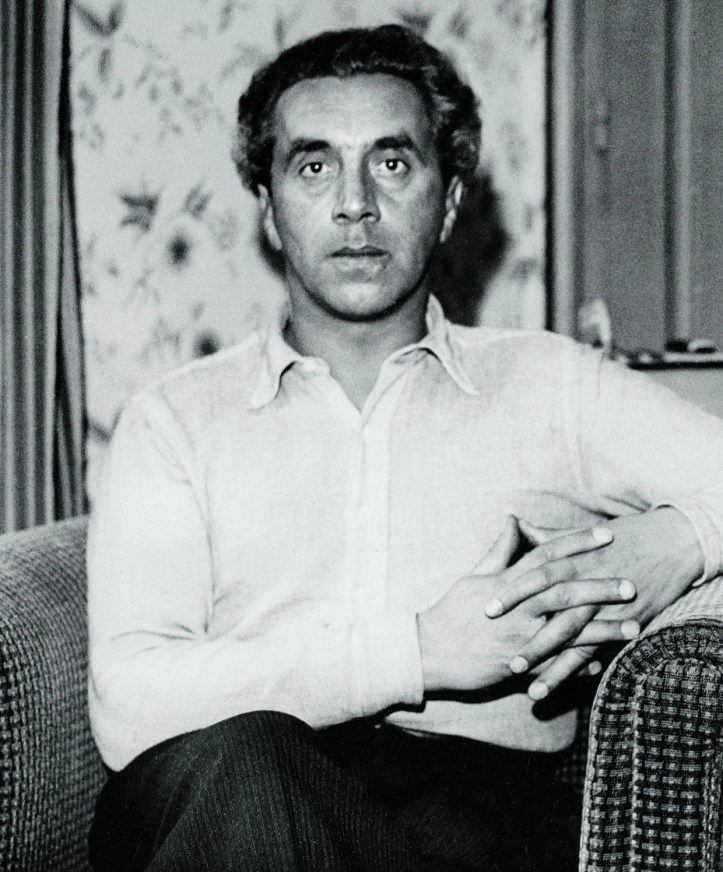
Ernst Toller, the great German expressionist playwright and revolutionary–the president of Bavaria’s six-day Soviet Republic in 1919–was an exile in New York City from Nazi barbarism when he took his life on May 22, 1939. Found with him were photos of child victims of fas im in Spain strewn around his apartment. Less than two weeks before he sent this anti-fascist defense of culture and human dignity to the New Masses.
‘The Last Testament of Ernst Toller’ from New Masses. Vol. 31 No. 11. June 6, 1939.
December 12, 2025.
‘Ohio Socialist Party Makes History’ from Ohio Socialist. 1919.
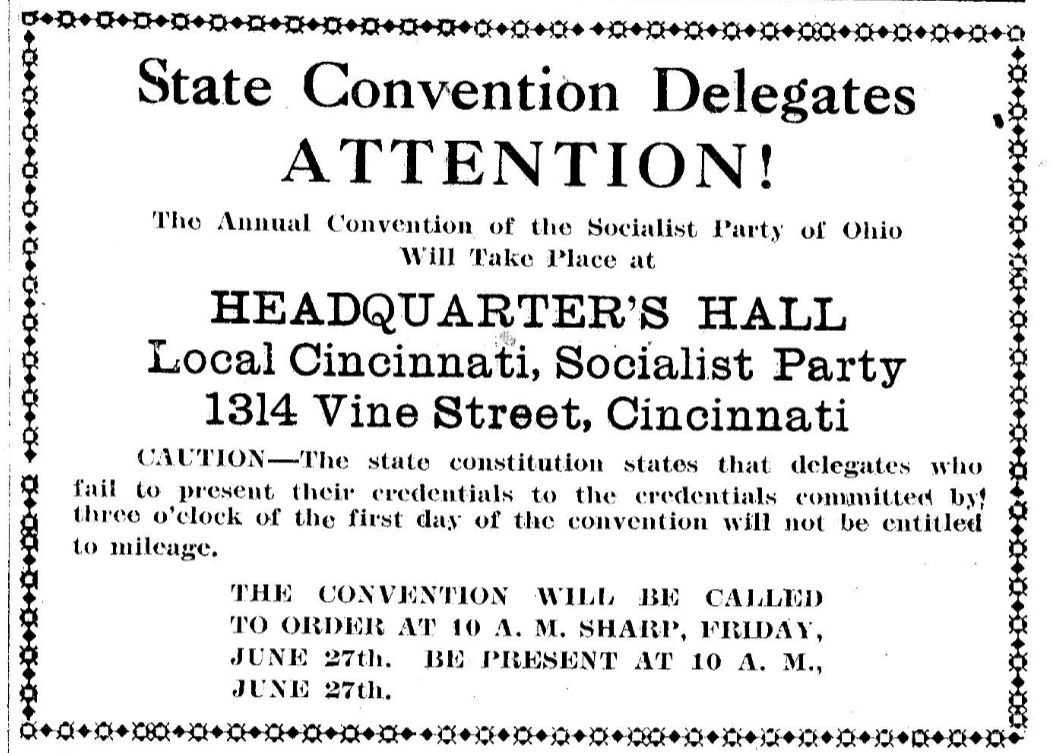
Ohio, with 7182 dues-paying members, most of them in the heavily industrial northeast, and dozens of elected state and local officers was one of the Socialist Party’s most important State organizations when it was expelled as whole in August, 1919 for its overwhelming support of the Left Wing. Ground zero for both the Communist and Communist Labor Parties, Ohio was the home to such early Communist leaders as Charles E. Ruthenberg, Alfred Wagenknecht, Alexander Bilan, L.E. Katterfeld, Charles Baker, Marguerite Prevey, Lotta Burke, Tom Clifford, and many others. Meeting during the run-up to the 1919 Emergency Convention, the Ohio State Convention which met in Cincinnati in late June, voted 47 to 7 to affiliate with the Left Wing and the new Third International. Below is a report on the conference, another on the associated state picnic, and finally the full minutes of the historic meeting.
‘Ohio Socialist Party Makes History’ from Ohio Socialist. No. 76. July 9, 1919.
 Revolution's Newsstand