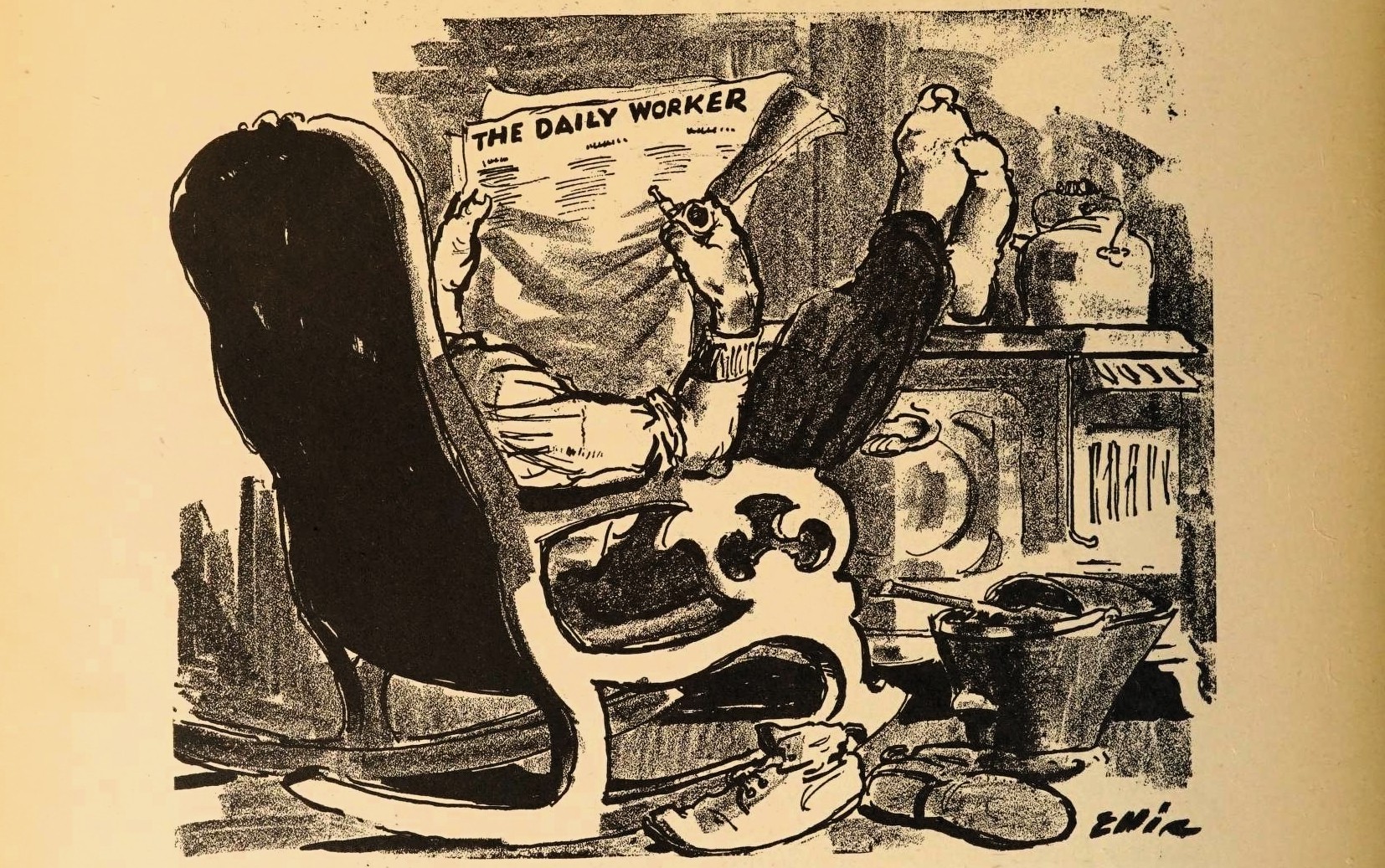
With a limited paid staff, the Daily Worker relied on its readers to also act as its journalists and researchers. Karl Reeve, son of Ella Reeve “Mother” Bloor, gives suggestions on how best for worker-correspondents to find and write news. Reeve (also written Carl and sometimes using his father’s last name, Cohen) was in the left all of his life, his older brother Harold Ware also being a leading Communist. Becoming a movement writer and functionary, including an editor for the Daily Worker, at a young age, Reeve was prolific as both a newspaper reporter and with longer works, particularly on history.
‘Every Reader a Reporter: Gathering and Writing Working Class News’ by Karl Reeve from The Daily Worker Magazine. Vol. 2 Nos. 104, 110, & 116. July 19 & 26, August 2, 1924.
Every Reader a Reporter.
BECAUSE it is a Communist newspaper, the DAILY WORKER can print the truth, whereas the capitalist papers dare not insert in their pages any news that goes counter to the economic interests of the master class.
But the DAILY WORKER has a small staff and since a large percentage of the news gleaned from the other newspapers and from the press services is written from the standpoint of the large property owners, the DAILY WORKER must rely for much of its best news on the volunteer contributions and “tips” of the Workers Party members.
In order to retain its freshness, its originality, and its worth to the working class, the DAILY WORKER must be backed by a well-trained corps of local correspondents regularly sending in news from all over the country.
The first thing the DAILY WORKER’S volunteer reporters have to learn is to build up a nation-wide system for the gathering of exclusive working-class news is never to repress the impulse to write or telephone the DAILY WORKER their “tips” or news stories.
Often good stories are lost to the DAILY WORKER because some comrade says to himself, “Well, I won’t write the DAILY WORKER about that. They probably know about it already and it may not be so important anyhow.”
Sources of News.
What are some of the sources of news which the DAILY WORKER volunteer reporters can cultivate? Strikes, conventions, meetings of the City Federations of Labor, and trades and labor councils, speeches, court cases involving fights of workers or groups of workers against the bosses, campaigns and organization drives of working class organizations, such as tenant leagues or negro advancement societies; any move of the capitalists against the workers, or any move of the workers to win their rights from the capitalists, should by all means be sent to the DAILY WORKER.
If the event of interest to the militant working class occurs outside of Chicago, the volunteer reporter can often clip the news out of his local newspaper and send it in. The local newspapers are, in fact, the most frequent source of news in cities or towns outside of Chicago. The DAILY WORKER not long ago printed an editorial based on a clipping sent by a contributor from Miami, Florida.
Local News Wanted.
But the DAILY WORKER contributors must select their clippings carefully. Every week the DAILY WORKER receives clippings that are not the type which can be used. Only local news which occurs in the vicinity where the paper is printed should be sent in. Washington dispatches, syndicated articles such as Brisbane’s column, any news story printed under an out-of-town date line, are almost always valueless, even as material for editorial comment, because the DAILY WORKER has already received such dispatches.
On the other hand, any local news items which bear on the class struggle are usable. Our correspondents will find it advisable to get into the habit of reading their local papers carefully, clipping those local news items which play up the workers’ struggle for emancipation, and then using these clippings as “leads” to get better, longer, and exclusive DAILY WORKER news stories. Interviews often over the phone, can be secured with those persons and organizations mentioned in the clippings. Announcements of future events, meetings, demonstrations, etc., should be taken from the local papers and jotted down in a note book, and then “covered” by our correspondents.
Select Local Correspondents.
Workers Party branches in points outside Chicago should make it their business to see that a correspondent covers every strike and every meeting of the Federation of Labor. The reporter should take complete notes of these meetings and from them write up a concise news story.
To cover strikes, the correspondent should be in the court room as much as possible, if strikers are arrested, taking down especially the testimony of the defendants.
He should go to the picket line frequently and notice whether there is any police violence, any drunken policemen, the number of the policemen, scabs, and pickets. Arrangements can be made with the union official in charge of the strike headquarters, to give the strike news over the phone at a regular time every day.
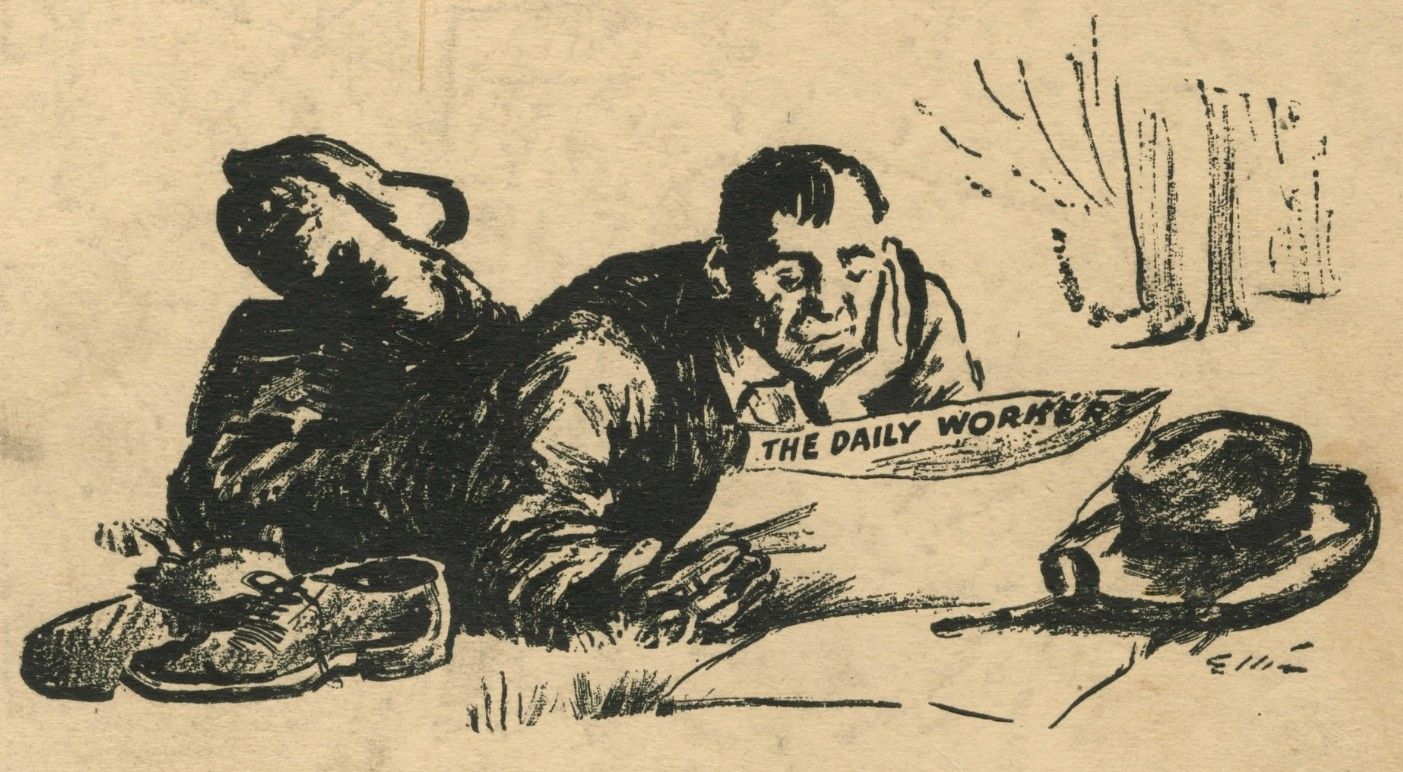
It is preferable for each town to have its regular DAILY WORKER correspondent, to train himself to write the news as it will be printed in the DAILY WORKER. When each town has a regular correspondent, he becomes known as the DAILY WORKER reporter. One of the most valuable assets of a reporter is the number of connections he makes with individuals and organizations in touch with the happenings of the town. The first few times the correspondent covers a meeting he will get only the minutes of the action taken at the meeting.
Build Up Connections.
But as the correspondent, through regular attendance at the meetings, for instance union meetings, becomes better known, and talks to the different union delegates, he will find that they will be coming to him with union news items which are often valuable.
All organizations, even liberal, labor and radical, want publicity. As the organizations of the town become acquainted with the DAILY WORKER correspondent, they will give him the publicity of their organizations. The only difference between publicity and news is the way it is written up. DAILY WORKER correspondents should expose themselves to the important connections in their town.
Organizational publicity and union news, especially where militant progressive principles are involved, should be collected. The correspondent will conserve his time by use of the telephone wherever possible, by taking clippings from the local papers, by building up regular and reliable channels of news, and by making advance lists of union elections and other labor events. Advance notices of important labor events are worthy of a short news item and should be sent to the DAILY WORKER.
Technical Changes.
Many letters come into the editorial office of the DAILY WORKER, which, after a few minor mechanical changes, can be put into the DAILY WORKER just as they are written. But the editorial staff is very busy, and it is often these technical errors which keep otherwise acceptable news laying around Che editorial rooms for weeks. In the next article I will give a few suggestions as to how best write up these news stories for the DAILY WORKER.
Every one on the editorial staff is talking about the organization of our army of news gatherers into a well-trained staff of volunteer reporters. Every one on the DAILY WORKER staff realizes the immediate necessity of closer contact with our correspondents.
Send In Suggestions.
These articles are written to give a few suggestions whereby our volunteer reporters can become more valuable to” the paper. One of the most distinctive features of the DAILY WORKER is the exclusive news of the class struggle sent in by our readers. The business office has been preaching the slogan, “Every reader a subscriber.” An equally important slogan which, if followed out, will materially increase the value of their paper is “Every reader a reporter.”
We will be glad to help solve any problem of our volunteer reporters. There will be other articles later by other members of the staff. Meanwhile, don’t fail to write us any suggestions or question which comes to mind concerning the building up of a DAILY WORKER staff of volunteer reporters.
Gathering and Writing the News.
THE most important part of the newspaper story is considered the “lead,” or beginning of the story. The lead is the first sentence or paragraph of the story, which summarizes briefly the most important features of the entire story.
The newspaper story may be likened to an inverted pyramid, or triangle with one corner pointing downward. The most important, significant and interesting facts are put into the first sentence. If the story is a long one, with several angles to it, the lead may cover several paragraphs. Each paragraph is a separate unit, with the facts in it able to stand alone.
The books on journalism tell us that the lead must answer the questions, “when, what, who, where and how.” After the lead has given the essential facts of the story, the details can follow, a paragraph or two being devoted to each phase of the story. The most important facts come first, so that if the last few paragraphs are cut off, the essentials of the story still remain.
Facts, Not Opinions.
The best written news story is that which is most definite and most concise. Brevity demands that facts take the place of personal opinions and editorial comment. An obscure fact or an involved situation must be interpreted and explained, but unnecessary comment clutters up the story and wastes space. The most common fault of the stories sent to the DAILY WORKER is that little real news plus pages of editorial comment and opinions make up the story. It should be just the opposite. Definite facts, written from the angle of the working class, but unhampered by opinions, make the best news story.
Indefinite, hazy writing is another common fault of the news stories sent in. First names should always be secured. Time after time stories are brought into the DAILY WORKER office and when they are typewritten out the contributor cannot give the spelling of the names of those involved nor the addresses of the places mentioned.
Be Definite and Brief.
At the time the news is gathered, haziness about the dates of occurrences and correct names and addresses can easily be eliminated. After the news is brought into the office it is often impossible to complete the story.
A definite plan of attacking the gathering of the news and preparation before securing an interview gains a better story. Interviewing is the main part or news gathering. Before interviewing a person, the reporter familiarizes himself with the man’s past activities and fully understands his recent connection with the story sought.
A good reporter asks numerous questions. Before interviewing a person, he writes down on a card or slip of paper all the questions he can think of which bear on the story he seeks. After asking as many of these questions he remembers, he can take the card out of his pocket and see if he has asked all the questions.
The man interviewed talks more readily if the reporter is entirely at his ease, in a pleasant, receptive mood, listening attentively and transferring confidence to the person interviewed. It is a good plan at an early stage in the interview to express an opinion on the subject being discussed, thus showing capability of writing an intelligent, accurate story.
Lingering Farewell.
Every question asked and every opinion expressed furnishes a stimulus of which the response is added material for the story. When the person interviewed gets started, however, on a long statement or detailed story of himself, it is best to let him talk himself out before interrupting with a question. Stick to him as long as you have any questions to ask or as long as he will talk. If he is reluctant to talk, take a lingering farewell, popping questions at him one after another while he is showing you out.
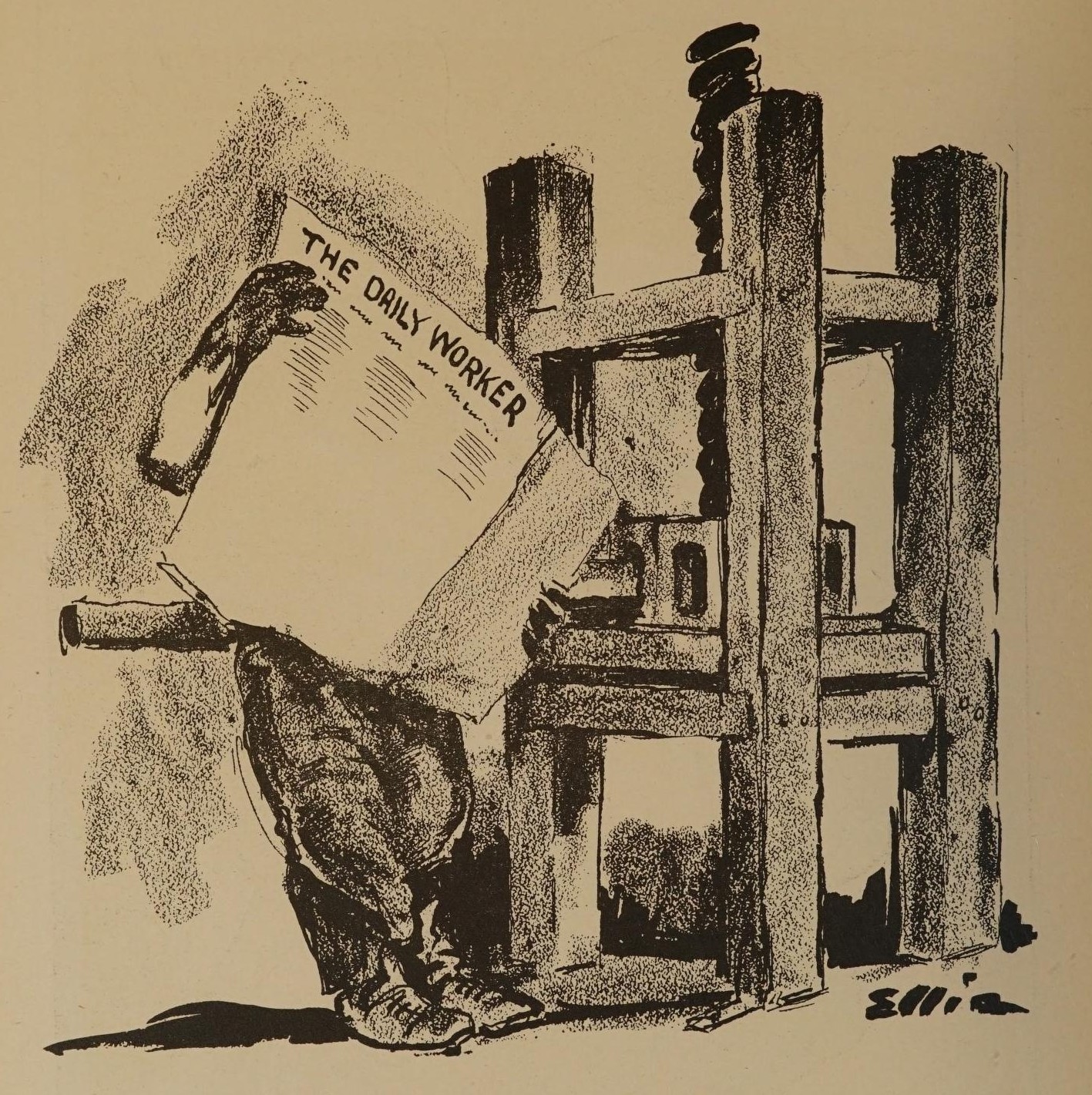
Immediately after leaving, write down every word you can remember which the person interviewed has uttered. It is best to take no notes in front of him, as this is disconcerting and stops his flow of thought, unless he is accustomed to being interviewed.
If it is absolutely necessary to take a note or two of statistics or very important statements, take them in such away as to keep the person interviewed at his ease, without flourishes. Just before leaving, ask for any literature which the organization or person you have interviewed can give you. This often adds to the story when quoted.
Direct Quotations.
The notes taken of the interview, the literature gathered, and the material about the same subject in other papers and magazines, are he material the reporter has before him as he sits down to compose his news story.
Make direct quotations wherever possible in writing up the story. Do not state what you asked the person interviewed but construct his answers into a smooth running story. The answers do not have to be given in their order providing the meaning is not changed.
Bob Minor’s Story.
Robert Minor’s story of the socialist convention, in the July 9 issue of the DAILY WORKER, is an example of the best kind of reporting. In the first paragraph he gives the most important news—that the socialists indorsed LaFollette and voted against running their own presidential candidate. In the second and third paragraphs he mentioned the two most important speeches of the day—that of Abe Cahan and Morris Hillquit and points out the battle between these two men, giving their most significant statements.
In the fourth paragraph Minor tells of the effect of Eugene Debs’ telegram on the convention. Not until, in these first four paragraphs, he had given a brief summary of the most important news of the convention does Minor go back and report the speeches of the leading figures of the convention in detail. Take your DAILY WORKER and study this story of Minor.
Types of Stories.
The news stories mentioned above are by far the large majority of those which the volunteer reporters will send to the DAILY WORKER. In addition, there is the narrative method of writing up a story, where the summary is not put into the lead. “John Smith walked into a bird store to buy his wife some canary bird seed yesterday evening, and suddenly found himself confronted by a roaring lion just inside the entrance,” is a lead for a narrative story. Written up in the regulation news story, the lead might run, “A circus lion broke loose on Main street last night, scaring many home-bound pedestrians, but was captured in a bird store before anyone was injured.”
There is also the feature story which emphasizes incidents appealing to the emotions and to “human interest” rather than giving the bare facts. Feature stories may also be written as semi-editorials giving the paper’s policy. For the DAILY WORKER, however, the regular news story style used by our correspondents is most valuable.
In the next article I will mention a few common types of news stories and how they should be handled for the DAILY WORKER, and will give some further suggestions on the actual writing of the story after the news is gathered.
Working Class News.
The DAILY WORKER, the first Communist daily newspaper to be printed in the English language, has made working class history during the seven months of its existence. The news columns have created a favorable reaction among the workers, and an analysis of the different types of news stories printed in The DAILY WORKER will be of benefit to the volunteer reporter.
The DAILY WORKER is used not only to educate the workers to heed the message of Communism, it also solidifies the Workers’ Party membership and educates and informs them of the Party tactics. This theoretical and tactical news is very important to the movement. The translations from Russian and other foreign magazines and newspapers inform the membership of the latest trend of world Communism. The theses, programs and articles explaining American policy, officially printed in The DAILY WORKER, create a self reliant and well informed rank and file.
More important to the volunteer reporters, however, is the Workers Party news of meetings, demonstrations and entertainments which should be sent in from all over the country. This Workers Party news keeps the different sections of the party informed about what the other sections are doing, and unifies the party.
Every Workers Party event of even local importance should be sent to The DAILY WORKER. It is not much more trouble to write up the event as a news story, instead of merely sending an advance notice in the form of a handbill, and not only saves much time, but makes a better story.
In addition, every labor event at tended by a party member should be reported to the DAILY WORKER. Every strike in which a party member takes part carries with it not only the organizational duties but the duty to give the left wing angle of the story publicity in The DAILY WORKER.
The DAILY WORKER has unlimited fields of expansion which are as yet unknown to many of the Party members. The working class news which deals with the every day worker in the shop, or political and industrial activity, relies for much of its value on the distribution of the paper carrying the story to the places written up. For instance, at a Negro meeting of the followers of Marcus Garvey this week in Chicago, several hundred copies were sold to the Negroes because of a front page article giving a speech of Marcus Garvey. The paper not only extends its advertising, but also educated in this case, the Negroes to the Workers Party policy toward the Negro problem.
It is the duty of the membership not only to send in the news stories, but when they are sent in, bundles of the paper containing the story should be ordered from the business office and sold at the strike meeting or demonstration written about.
The DAILY WORKER in reporting its first big strike–the Chicago Ladies Garment Workers’ Strike–informed labor throughout the country of the injunctions suffered by Chicago strikes, and the membership of the union throughout the country not only read our strike news but became more closely acquainted with the Workers Party.
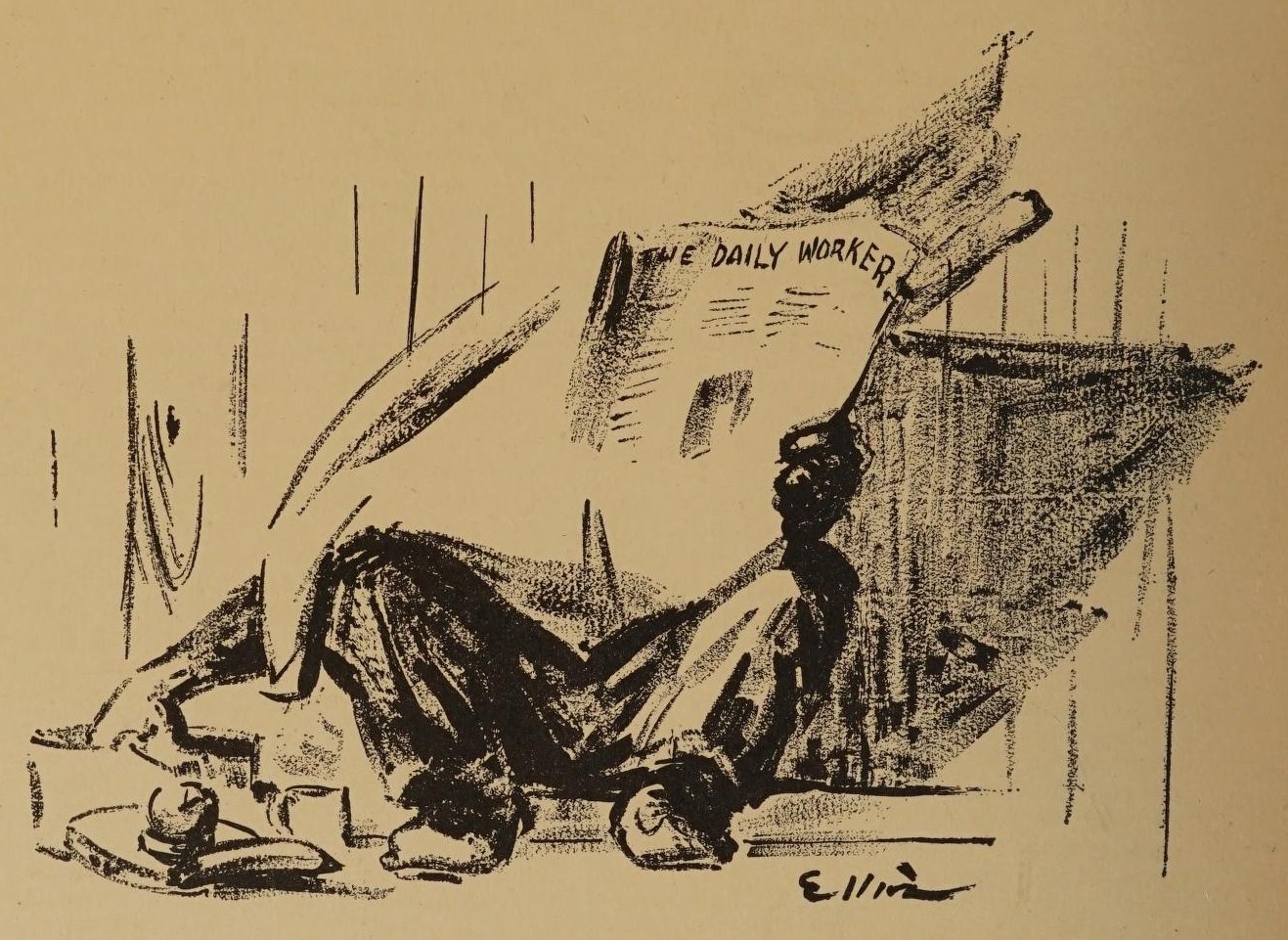
New uses are constantly being found to make The DAILY WORKER more valuable to the working class. In the Pullman carbuilders’ strike The DAILY WORKER was sold at the gates of the plant and the imported steel workers, hearing The DAILY WORKER newies call, “All about the Pullman strike,” learned for the first time that there was a strike in the Pullman plant. Thus The DAILY WORKER stumbled on an unwitting aid to the picketers. The DAILY WORKER, in this strike, served as a rallying point for organization work, members of the staff speaking at the strike meeting and aiding in the strike activities.
All this activity, increasing the faith of the workers in the sincerity and power of the Workers Party, had as its foundation, the printing of the strike stories in The DAILY WORKER. They formed the basis of the strike activity. Thus volunteer reporting assumes much greater importance than the mere printing of a news item, if properly backed up with selling of the paper and organization work.
In the strike of the Jewish Bakers in Chicago a big opportunity, of similar nature was missed because the Workers Party members who were striking did not call up the Worker with news of the strike.
Another innovation of The DAILY WORKER was inaugurated in the strike of the Greek Restaurant workers carried on by the Amalgamated Food workers in Chicago. The union bought a special strike edition of The DAILY WORKER, the entire front page being devoted to the striking food workers, the rest of the paper remaining the same. Several thousand copies of this special edition were distributed by the Food Workers Union among the restaurant workers, thus greatly aiding their organization drive and extending the influence of the paper.
The Western Electric campaign was an example of the possibilities of creating interest in working class news in almost any large factory. At one time over three thousand copies of The DAILY WORKER were sold daily in front of the Western Electric gates, exposing the speed-up system in the plant, increasing the sales of the paper and giving the workers more confidence in themselves and in the paper.
These are a few of the history making achievements of The DAILY WORKER. Not only will they be copied in other factories and other cities, but other and greater achievements lie ahead for the only working class daily in America. In the coming drive for new subscribers the membership must bear in mind the tremendous importance of sending in news, selling the paper, and exploiting It to the utmost in the interests of the workers. If this is done, the subscription list will be doubled within six months.
In closing these few suggestions about the relation of the party membership to The DAILY WORKER, I give the few long suffering readers who have had the patience to wade through the series of articles, the usual mechanical suggestions. The story should be typed if at all possible. Use double or triple space and write only on one side of the paper, and as O’Henry suggests, let each article finish at the bottom of the last page.
The Saturday Supplement, later changed to a Sunday Supplement, of the Daily Worker was a place for longer articles with debate, international focus, literature, and documents presented. The Daily Worker began in 1924 and was published in New York City by the Communist Party US and its predecessor organizations. Among the most long-lasting and important left publications in US history, it had a circulation of 35,000 at its peak. The Daily Worker came from The Ohio Socialist, published by the Left Wing-dominated Socialist Party of Ohio in Cleveland from 1917 to November 1919, when it became became The Toiler, paper of the Communist Labor Party. In December 1921 the above-ground Workers Party of America merged the Toiler with the paper Workers Council to found The Worker, which became The Daily Worker beginning January 13, 1924.
PDF of full issue: https://www.marxists.org/history/usa/pubs/dailyworker/1924/v02a-n104-supplement-jul-19-1924-DW-LOC.pdf
PDF of issue 2: https://www.marxists.org/history/usa/pubs/dailyworker/1924/v02a-n110-supplement-jul-26-1924-DW-LOC.pdf
PDF of issue 3: https://www.marxists.org/history/usa/pubs/dailyworker/1924/v02a-n116-supplement-aug-02-1924-DW-LOC.pdf
 Revolution's Newsstand