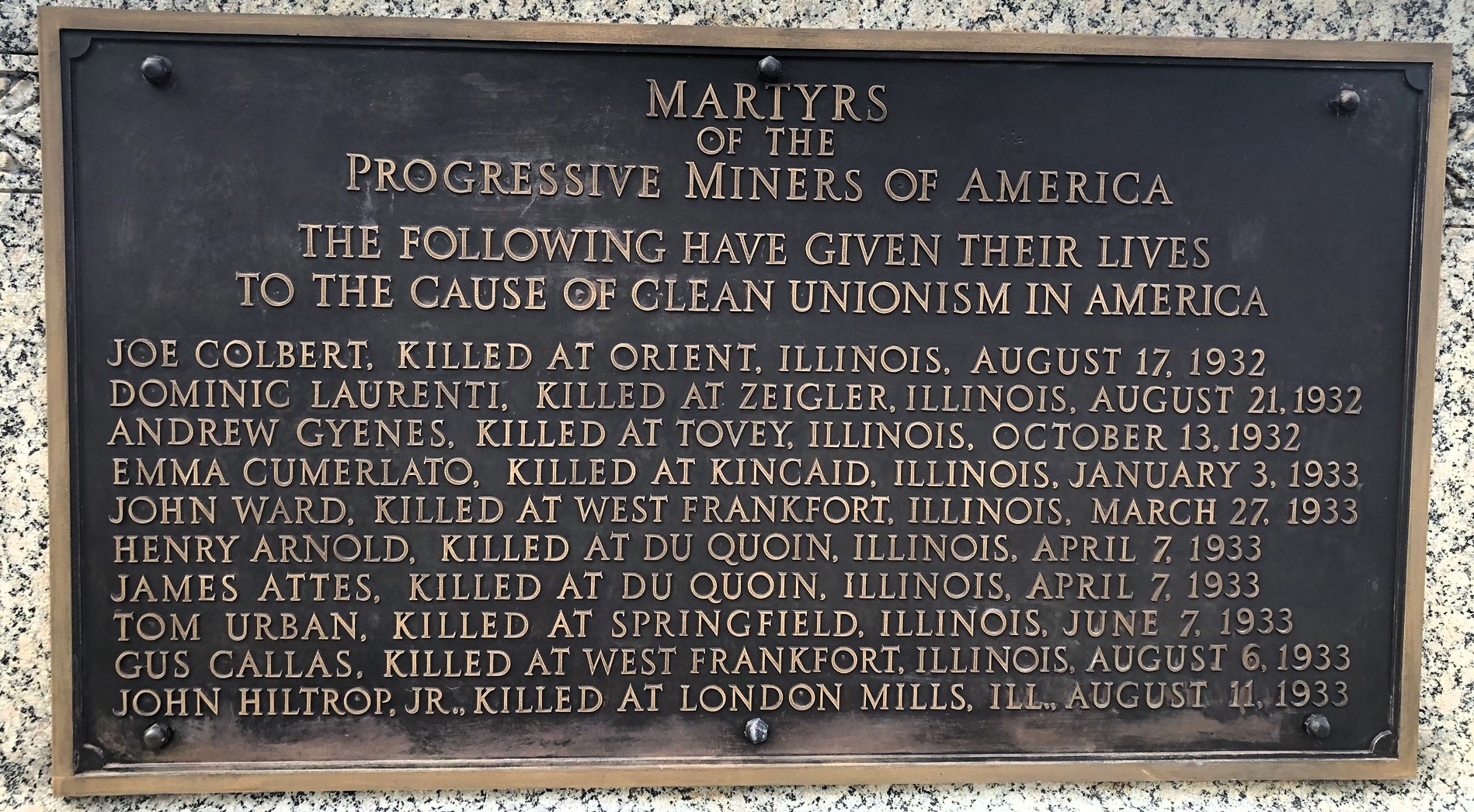
Tom Tippet, miner turned labor journalist, reports the work of the new Progressive Miners of America founded in Gillespie, Illinois in September, 1932.
‘Progressive Miners in Illinois Hope of U.S. Miners’ by Tom Tippett from Labor Action (C.P.L.A.). Vol. 1 No. 1. April 1, 1933.
“Militancy is the natural law of the coalfields. Perhaps the most encouraging spot in the whole labor movement at the present time is Gillespie, Illinois.”
The Progressive Miners of America, organized less than six months ago by the rank and file coal diggers of Illinois, is still in the field and settling onto firm ground. That is in itself amazing news since everything else in the world seems to be crashing to earth, and it proves again that workers who take to the highways in revolt do not always lose even in these times. It is a good thing too that the Illinois coal miners did not first sit down carefully to analyze their situation before their revolt. Had they done so there would have been no struggle and the P.M. of A. never would have been born.
The new union is the result of a blind revolt, a revolt in which all odds were against success but which for one reason or another has won a signal victory. This is not to indicate that the contest is completely won, there still remains a long and difficult road ahead of the P.M. of A. but up to date they have been marching on.
16,000 Pay Dues
At a scale convention of the new union held in Gillespie, its head- quarters, in the middle of February, Wm. Keck, secretary of P.M. of A., reported an unpadded dues paying membership of 16,000 men. In addition there were 5,869 exonerated members because of slack work and 5,330 other members on strike. These figures reflect the strength of the union up to January 1. Keck said that since that time more than 5,000 new recruits had been added to the union and while the convention was in session one local after another broke away from the old United Mine Workers and came into the P.M. of A. fold. Since the convention adjourned a similar advance is reported. Month by month the P.M. of A. spreads over Illinois.
The P.M. of A. says it is prevented from capturing all of Illinois because of a terror set up against the wishes of the rank and file miners by the forces of law, and by the U.M.W. of A. In an attempt to prove this contention the officers of the P.M. of A. suggested in February to Governor Horner, who was attempting to settle the mine trouble, a proposition to achieve final peace which involved the submission of the question of union affiliation to the rank and file of both unions through a referendum vote so supervised that theft and coercion would be eliminated. The P.M. of A. was willing to have the referendum include all the membership of both unions or to restrict the vote to the sections where a strike exists and where the U.M.W. of A. claims control. The old union refused this proposition and Governor Horner’s efforts to settle the controversy came to an end.
U.M.W. Main Obstacle
Since the Governor’s peace conferences broke up state troops have appeared at the Peabody mines in Springfield, the capitol city, where a P.M. of A. strike is on. The new union has intensified its campaign to win over the entire state. The main obstacle in the way of the new union, naturally, is the old U.M.W. of A. backed as it is by the American Federation of Labor. There is evidence now to substantiate the charge of Claude Pearcy, president of the P.M. of A., who says the old union is bankrupt and unable much longer to withstand the advance of the progressive organization. Within the past month the once powerful District 12 organization of the U.M.W. of A. in Illinois has lost its autonomy. John H. Walker, who headed this district and led the fight against the P.M. of A., is out of office. So are all other elected officials. John L. Lewis, international head of the old union, has complete charge of Illinois through a provisional organization with his own men appointed by himself in office. The “Illinois Miner,” official organ of District 12, has suspended publication.
Into Every Coalfield
Because of a peculiar set of circumstances well known to all coal miners and because of the long-standing antagonism between the Illinois miners and John L. Lewis, this provisional organization can only speed the spread of the P.M. of A. throughout Illinois. When that is accomplished and the P.M. of A. is on a firm base in that state the struggle of the union will have only begun. The cold economic conditions in the industry will compel the P.M. of A. to extend itself to all the coal fields in the country. It must retrace the steps of previous struggles and win back all the ground lost under the national leadership of Lewis. Even then it will not be secure. The union fields will never be safe and free so long as there are any non-union fields and railroads to undermine union wage scales.
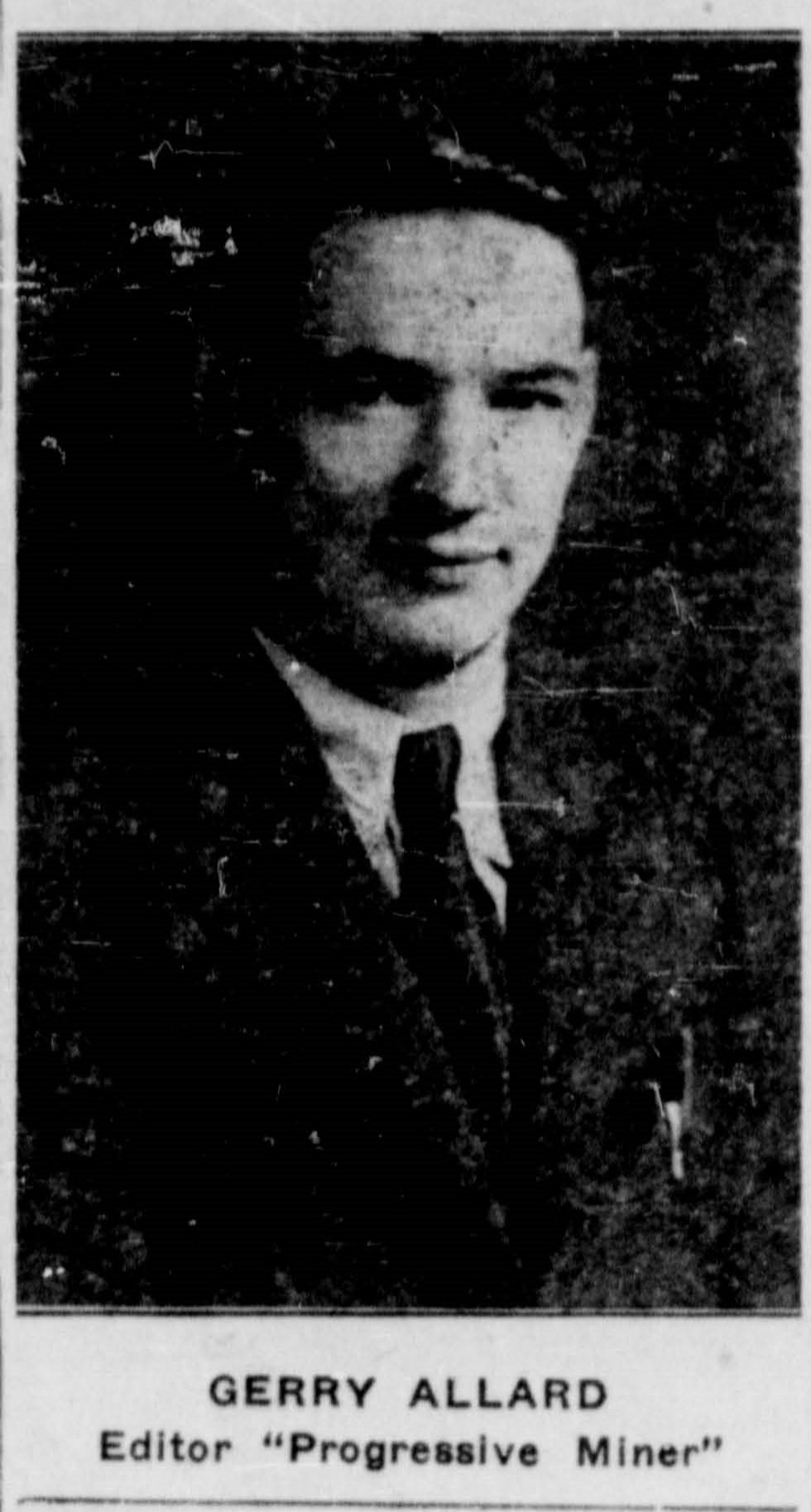
The name of the Progressive Miners of America indicates that the Illinois miners realize this. The union is already organizing a machinery for national action. Its excellent and militant paper, “The Progressive Miner,” under the editorship of Gerry Allard, a man in his early twenties, is carrying the spirit of militant action to miners everywhere. The response to the “Progressive Miner” from Canada and from all over America shows that the coal miners are ready to fight again on a national scale. The West Virginia Mine Workers’ Union is cooperating with the P.M. of A. to speed the national set-up. And the desperate conditions of miners everywhere serve to accelerate the national movement.
Of course there is the danger that the P.M. of A., if it becomes successful, will want to settle down into another conservative union. The revolt of the rank and file which gave birth to the union was not a movement of radicals against conservatives. It was a revolt to over throw corruption in a union and to place more power into the hands of the rank and file. But in order to accomplish the transition from one kind of union to another a militant radical policy was adopted as a matter of course.
Miners are Valiant
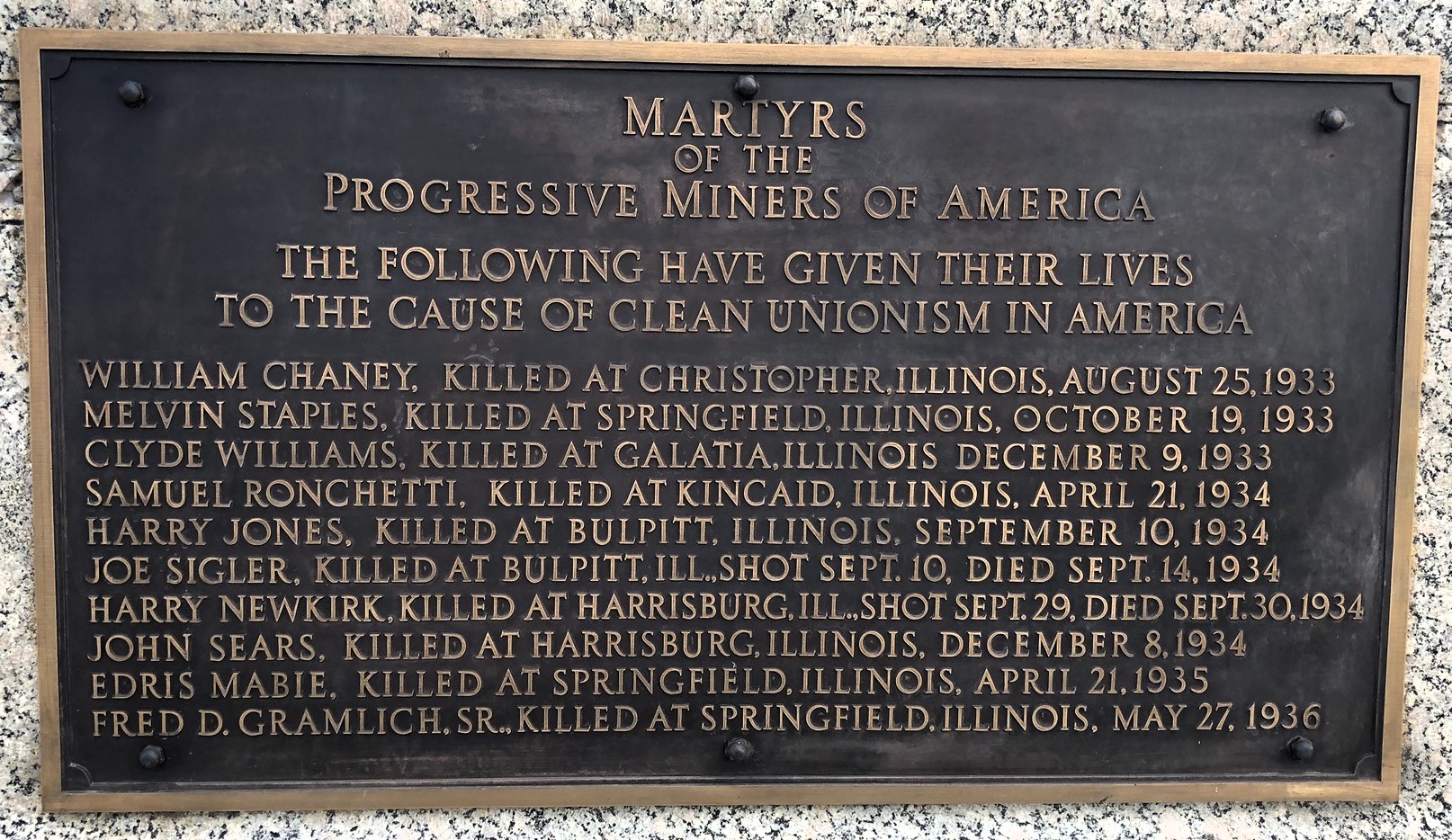
Miners in Illinois are not class conscious, in the generally accepted definition of that term, but they are by tradition and instinct unconscious radicals who march willingly into the jaws of death to do battle for the ideal of trade unionism, and in their fight for a union the miners have had to fight all those other elements opposed to their union–so they participate in the class struggle and with much more courage and devotion than most workers who are saturated with a definite revolutionary ideology. And since the union must extend itself the chances are that it will remain a militant organization. These are not the times which breed conservativism. Coal miners never were organized by conservative methods and they never will be. Militancy is the natural law of the coal fields. Perhaps the most encouraging spot in the whole labor movement at the present time is Gillespie, Illinois.
There are a number of periodicals with the name Labor Action in our history. This Labor Action was a bi-weekly newspaper published in 1933-34 by AJ Muste’s American Workers Party. The AWP grew from the Conference for Progressive Labor Action, founded in 1929, and Labor Action replaced the long-running CPLA magazine, Labor Age. Along with Muste, the AWP had activists and writers James Burnham and Art Preis. When the AWP fused with the Trotskyist Communist League of America in late 1934, their joint paper became The New Militant.
PDF of issue: https://www.marxists.org/history/etol/newspape/laboraction-cpla/v1n01-apr-01-1933-LA-Muste.pdf

